Cotopaxi, Ecuador, where wispy morning clouds parted to reveal the white-capped peak of the Volcano. Wild horses grazed among colorful wildflowers on the grasslands below.
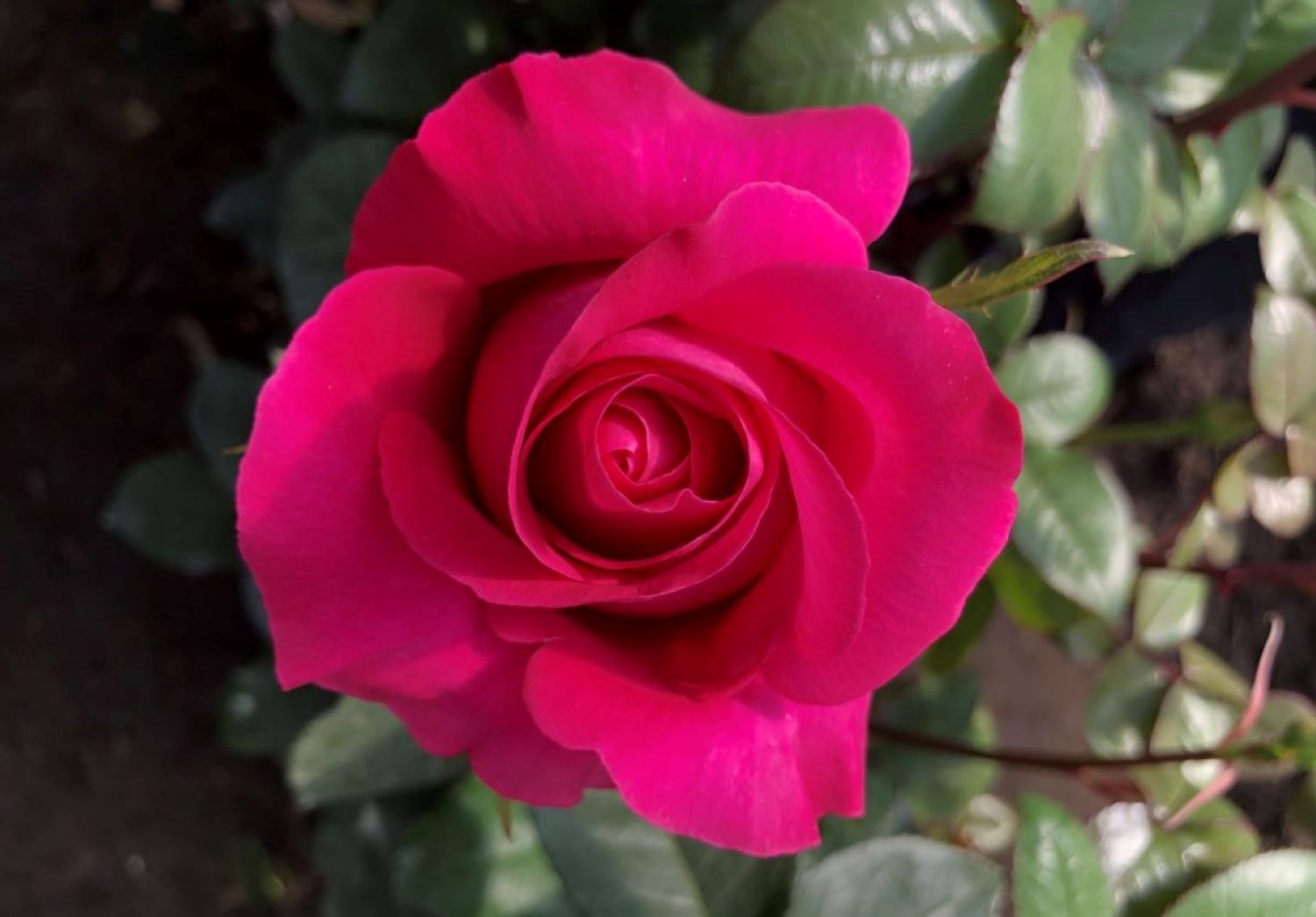
The wild and windy morning at Cotopaxi National Park stood in contrast to the serene afternoon at Rose Success Farm. Rows of red, yellow, and pink roses topped taller-than-head rose bushes. From that day on, I would link a bouquet of roses with snow-capped volcanoes and wild horses.
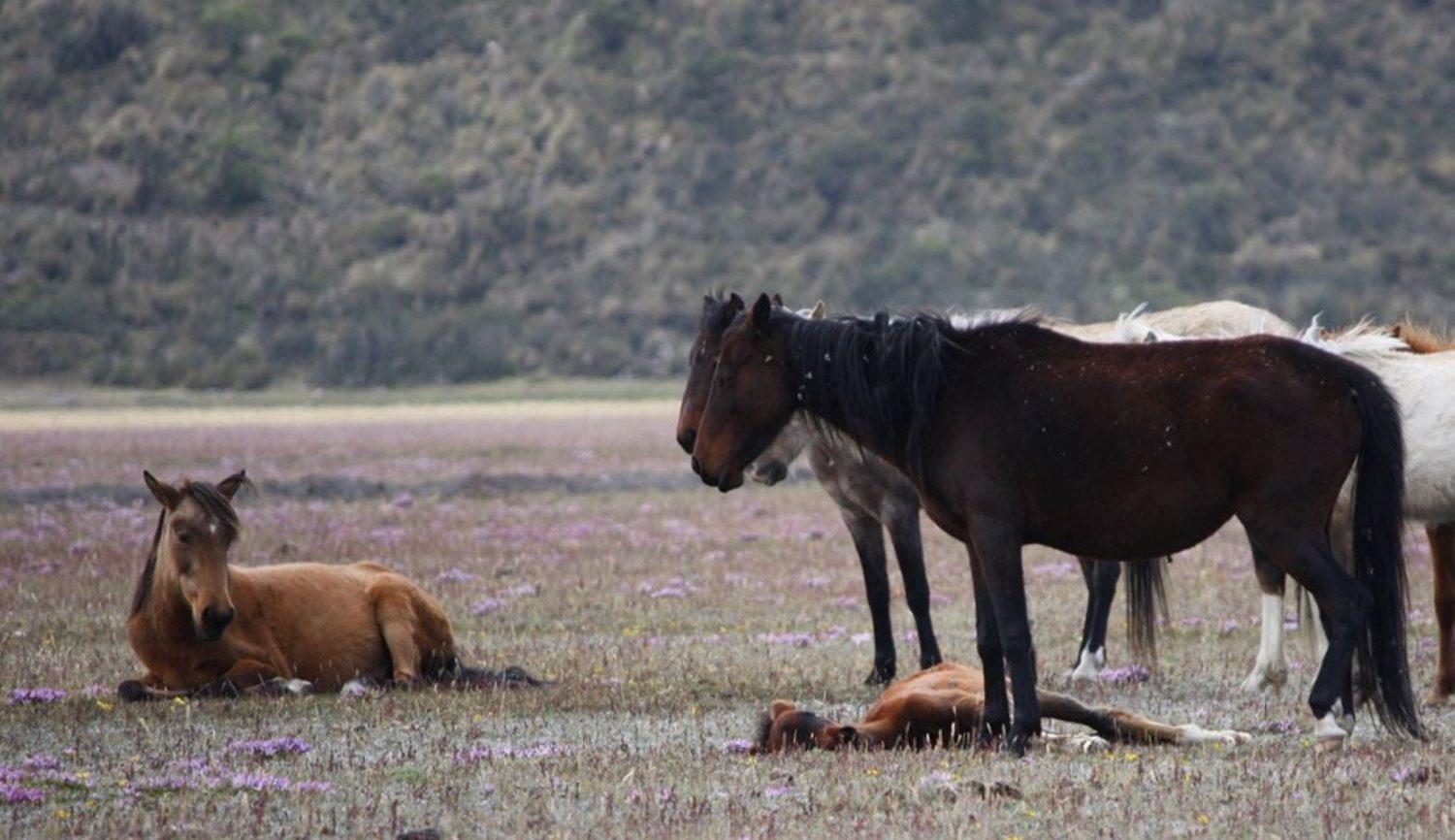
Cotopaxi National Park spans 82,000 acres of stunning natural scenery just a short drive from Quito. Visitors to Ecuador’s capital should not miss the chance to experience this breathtaking landscape. The park provides a variety of outdoor activities for adventure lovers, including hiking, biking, horseback riding, and camping. Our group traveled by bus from Quito and spent the morning touring the park’s main attractions from the comfort of our bus.
Wild horses grazed on verdant grasslands that rose skywards in the distance, providing a curtained backdrop of green.
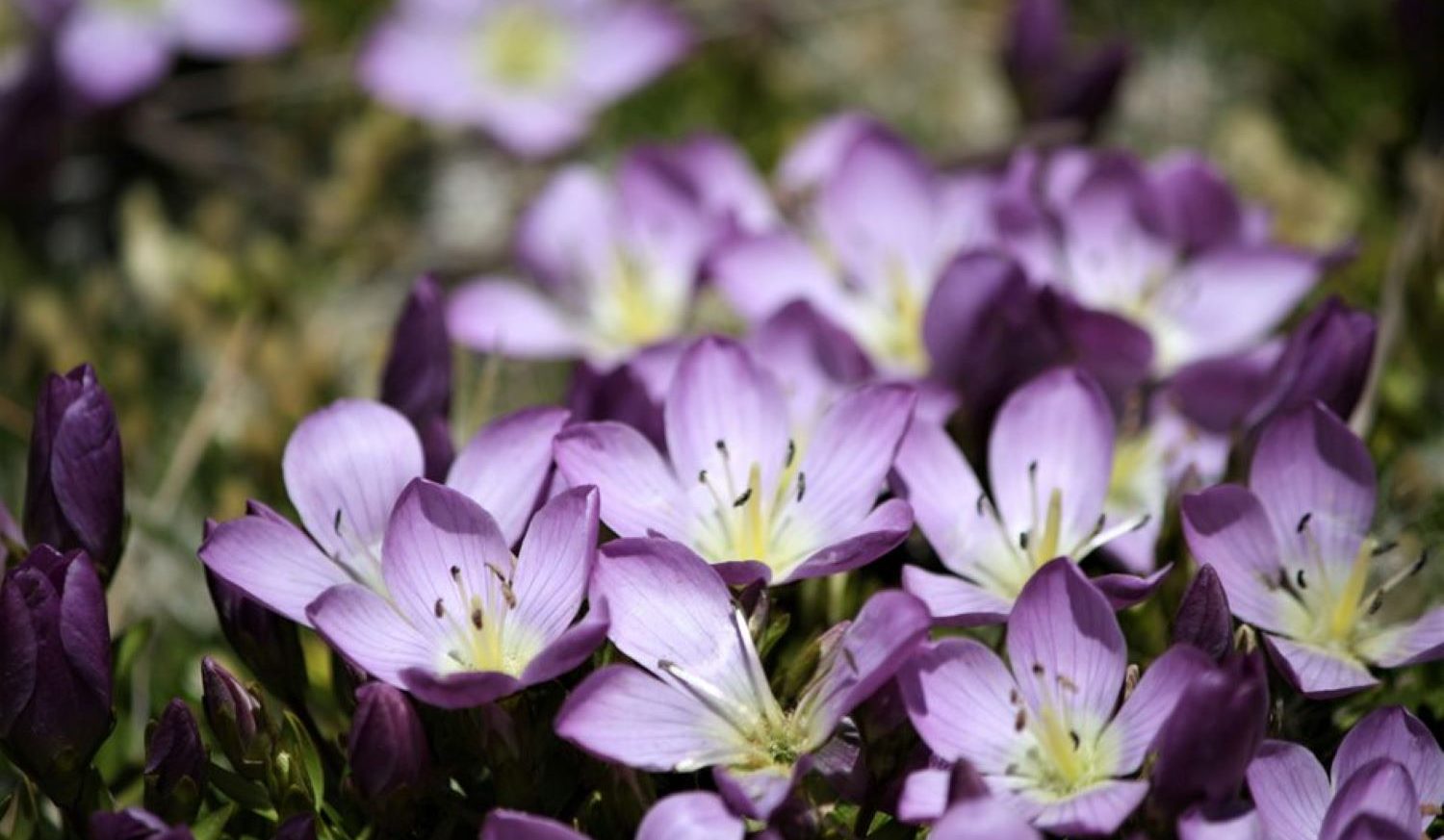
Colorful wildflowers dotted the landscape in patches. Chuquiraga Jussieu, also called “flower of the Andes,” is a shrub reaching up to three and a half feet tall, with pale yellow and orange tips. Gentian, known for its violet-blue trumpet-shaped flowers, grows nearer to the ground.
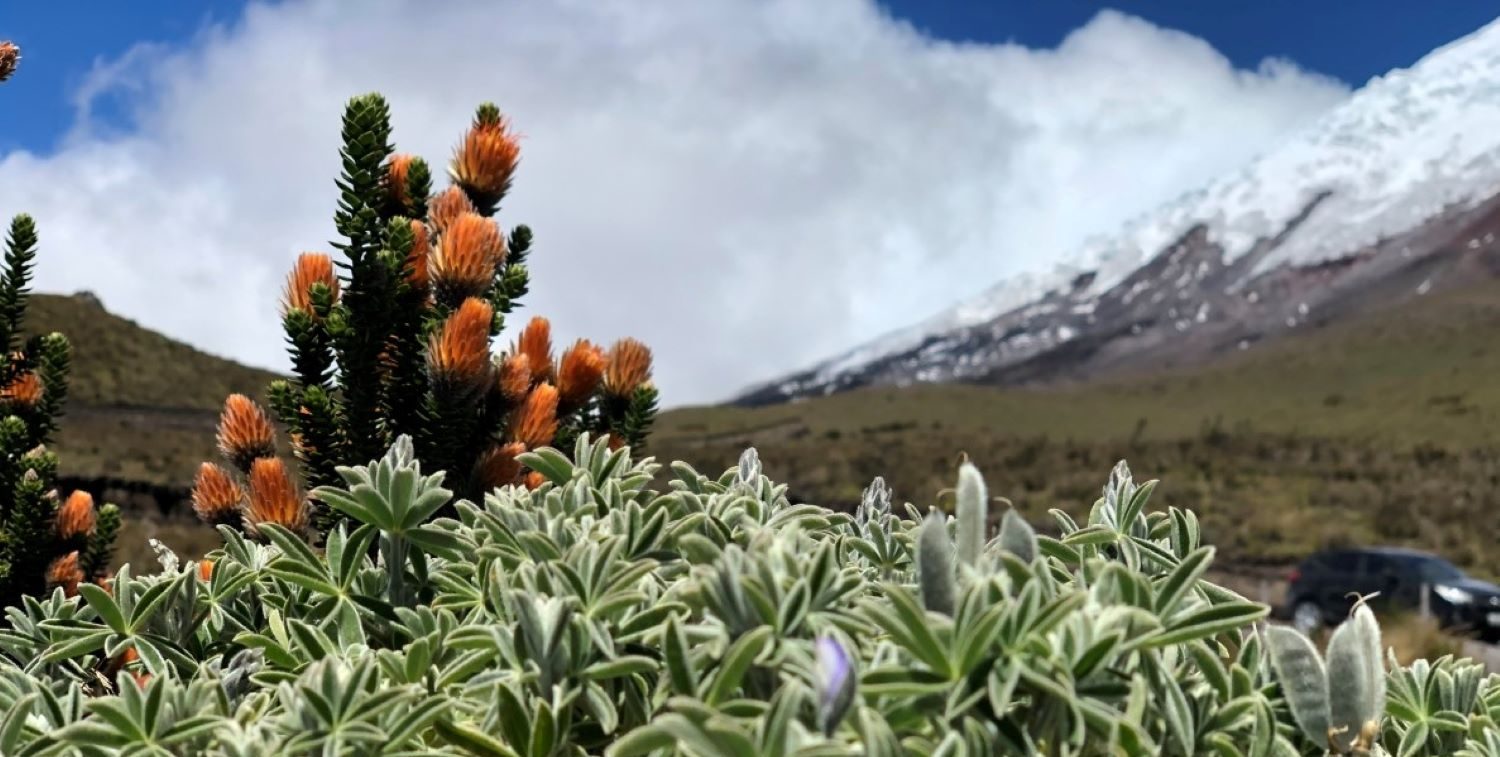
At 19,000 feet, Cotopaxi ranks as the second highest active volcano worldwide and is part of Ecuador’s “Avenue of Volcanoes.” Our bus halted at 15,000 feet, where we disembarked to capture photos. The atmosphere was thin, and a cold, strong wind blew. We stepped off and prepared to walk a short distance, but soon our breathing became shallow and more strained. During our entry into the park, we stopped at the Visitor’s Center to drink hot coca tea or chew coca leaves, which helped prevent altitude sickness.
Visiting a rose farm wasn’t part of our original plan. We were set to hike for three hours around Limpiopungo Lagoon, a picturesque glacier lake in Cotopaxi National Park known for its rich wildlife. This spot is a favorite for observing local plants and animals. However, after adventures hiking in the Amazon rainforest, tubing down Rio Napo, walking on volcanic lava, and snorkeling in the Galápagos, we were approaching the end of our eco-adventure. When our guide suggested visiting a rose farm, we happily agreed! Ecuador’s remarkable landscape and equatorial climate are crucial to its economy, particularly because cut roses are among its leading exports. And honestly, who wouldn’t enjoy a relaxing afternoon at a beautiful rose farm?
Cotopaxi is a vital region in Ecuador for rose production, and the country is a world leader. Cut flowers are one of its top ten exports.
Rose Success Farm is located in Cotopaxi province, making it an ideal day trip combined with a half-day visit to Cotopaxi National Park. At the entrance, we were greeted by general manager Paul Cevallos T., who explained why Ecuador is known for producing some of the world’s best roses. He highlighted the nutrient-rich volcanic soil, the high-altitude climate at around 10,000 feet, and the bright equatorial sunlight as crucial factors. Together, these elements contribute to the creation of long stems, large rose buds, and lush foliage.
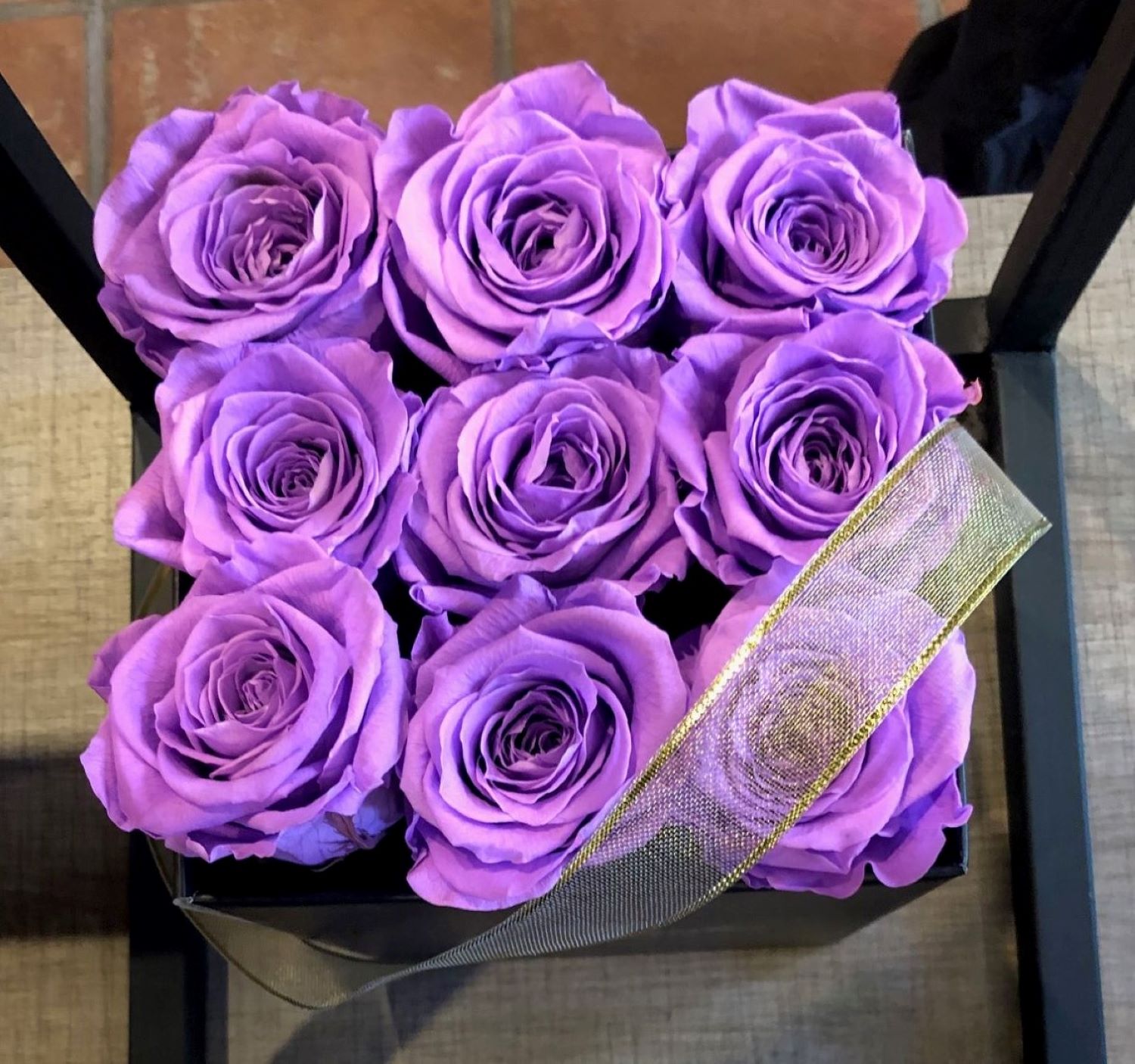
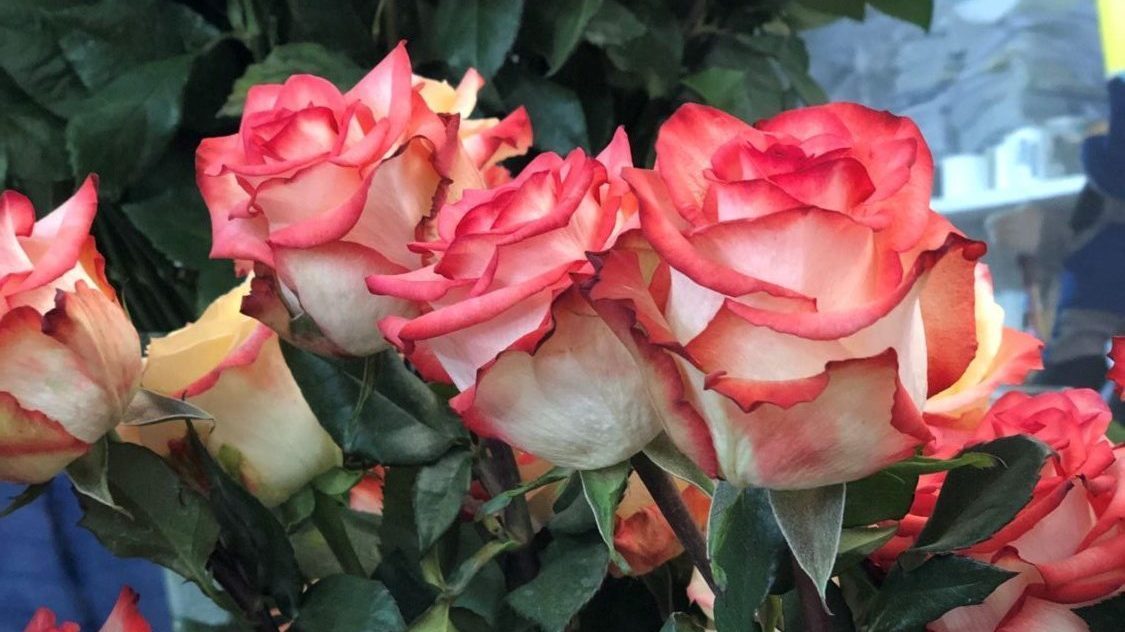
We strolled past endless rows of tall rose bushes, each boasting multiple buds and blossoms in shades ranging from deep reds to light pinks, perched on stems over five feet tall. Many clients find that the impressive height of the stems and the large blooms are what make Ecuadorian roses stand out as the most beautiful worldwide. Besides traditional colors like red, pink, and white, and multi-colored options, we discovered non-traditional hues such as orange, lavender, and deep blue. There’s a rose for every mood, with exotic names like Moonstone, Pink Floyd, Stardust, and Voodoo.
Workers in the production room quietly and efficiently sorted stems, checked grades, and bunched roses for refrigeration, where they awaited transport
The room was filled with boxes of roses in every color. Together they dazzled the senses like jewels!
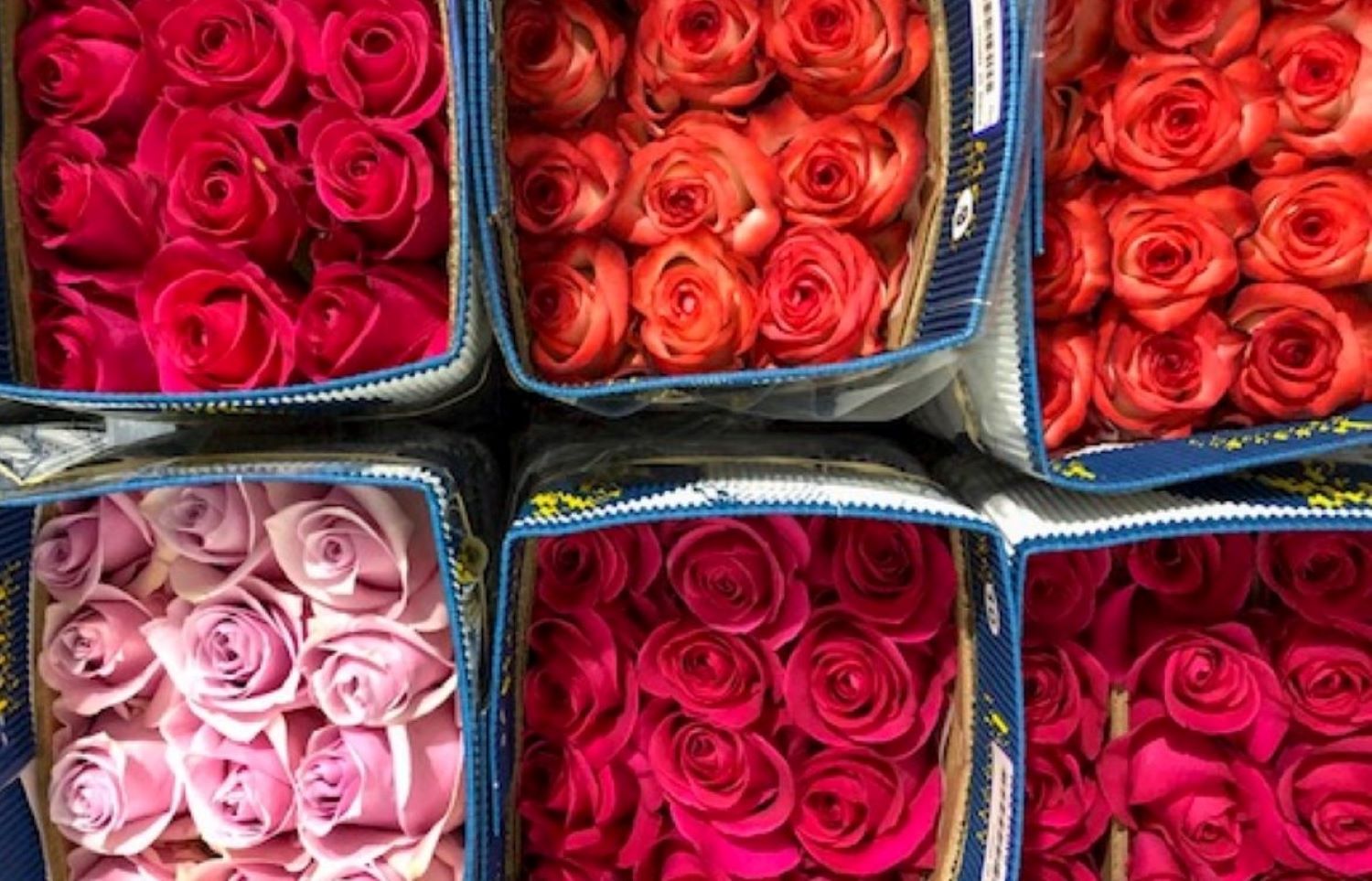
Within just a few days, the roses would travel across oceans and continents to arrive at fortunate recipients in places as varied as the United States and Russia. Rose Success dispatches an impressive 25 to 30,000 beautiful roses daily. They credit their twenty years of success to “ensuring quality and consistency while benefiting the employees and the environment. “
Find a detailed list of day-tours and other adventures departing from Quito and other locations to Cotopaxi, Ecuador and Cotopaxi National Park at viator.
For more information about Rose Success Farm click here.
How We Got There
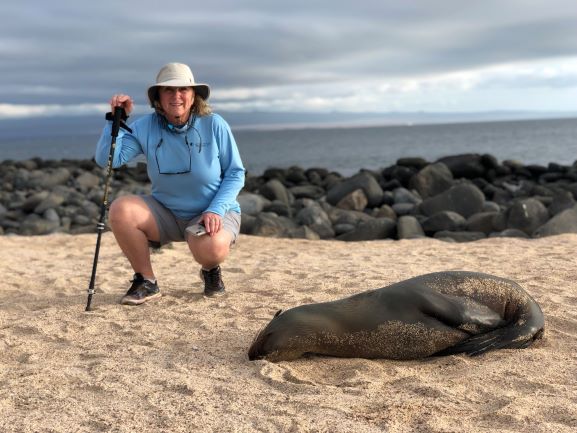
Julie Cliff is from Mt Pleasant, S.C. She has organized eco-adventures for students, families, and friends since 1993 to exotic locations around the world including:
Costa Rica, Ecuador, The Galapagos Islands, The Amazon, Peru, The Bahamas, Cuba, South Africa, Zimbabwe, Botswana, Iceland, Australia, and New Zealand.
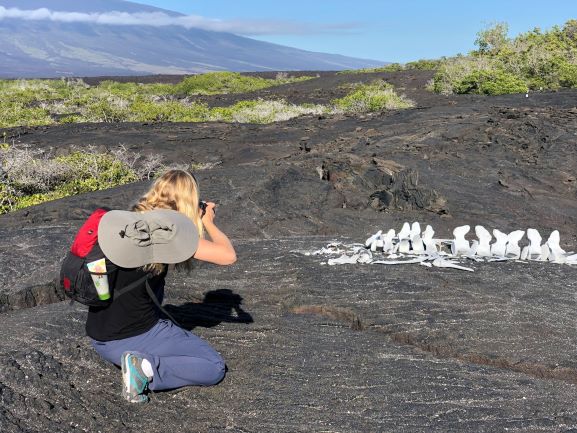
Aleigha Blakley is a talented photographer and artist. She generously shared some of her amazing pictures including the featured picture, that she took on our trip to Cotopaxi. Here she photographs whale bones on Fernandina Island, Galápagos.