The Forbidden City, the Summer Palace, the Xi’an City Wall and Towers, Tiananmen Square, and the Great Hall of the People are all iconic sites in China. Each is filled with hundreds of years of historical intrigue. Eddie and I were thrilled to visit these magnificent places for the first time! Seeing girls dressed in Hanfu, the traditional Han Chinese clothing, added a personal touch to the experience of China. It made exploration of these ancient sites even more magical and entertaining.
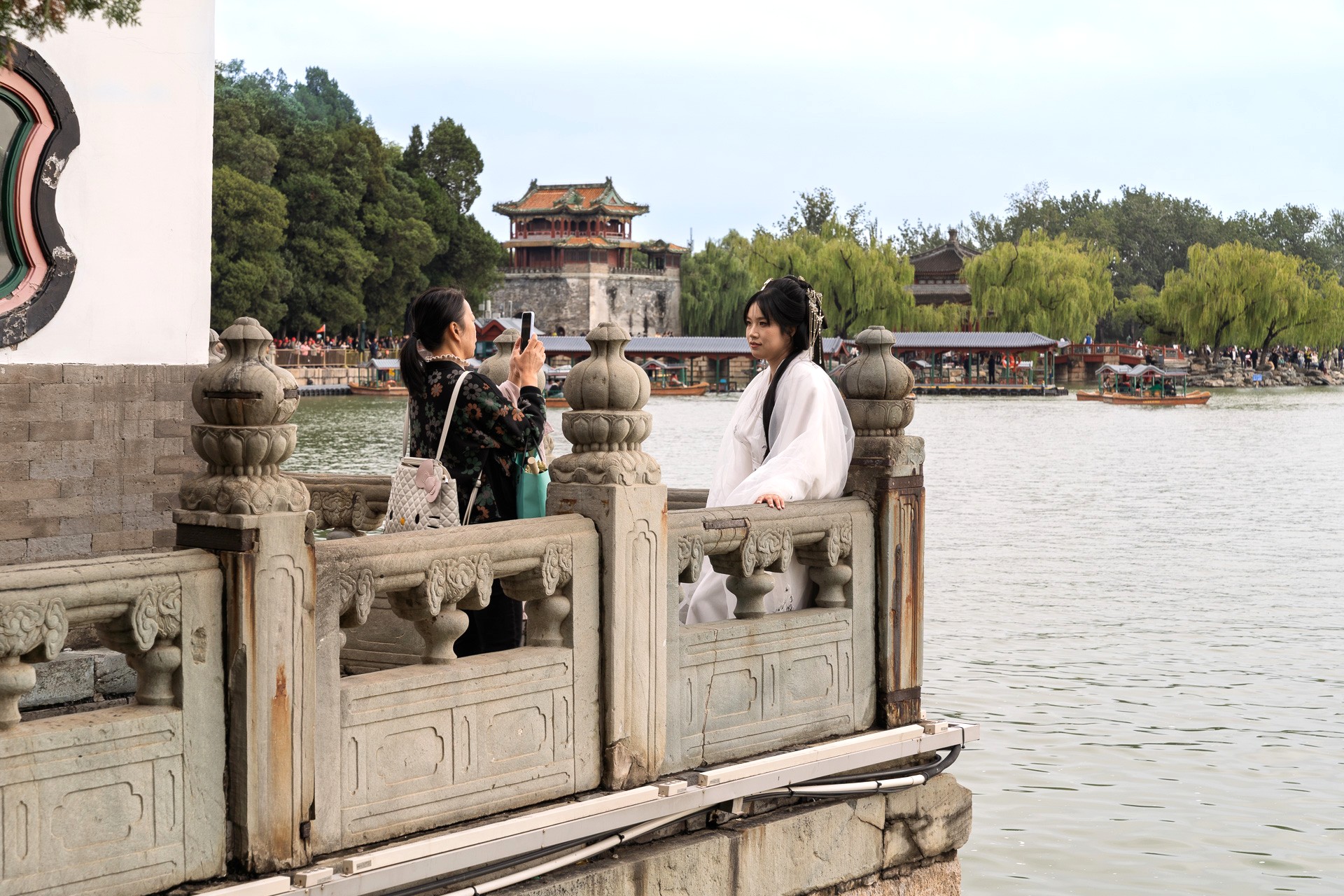
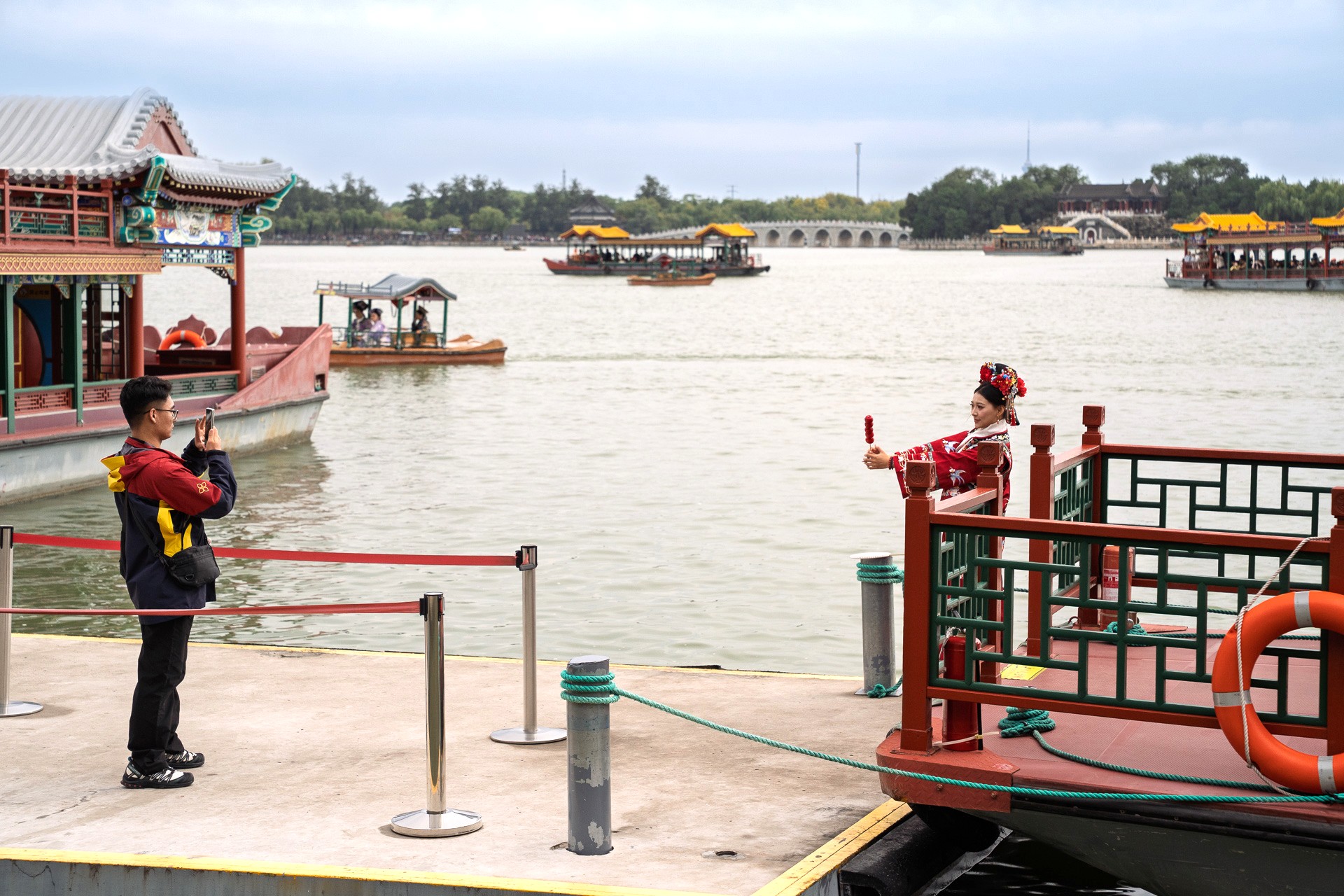
Young girls are embracing traditional Hanfu—colorful robes, skirts, hairstyles, and head coverings worn by Han Chinese during China’s imperial past. Styles that have endured for 3,000 to 4,000 years, varying from dynasty to dynasty, are back! We asked our guide why this trend is so popular. Perhaps the real question is, “Why not?” It’s a nod to heritage, an opportunity to wear beautiful clothes, a presence on social media, and possibly more —earning money as models—what’s not to love? Even visitors are getting in on the fun, and businesses are eager to help customers achieve the perfect imperial fashion.
‘The number of consumers of the domestic hanfu market is surpassing 2 million, worth around 1,09 billion yuan, CCTV reported.’ – China Daily 2019-09-04
We took pictures and learned about the history of enchanting ancient sites as we traveled across China with Road Scholar. Additionally, we got pictures of girls in Hanfu who often gave us friendly nods when we smiled and pointed our cameras at them.
Great Hall of the People and Tiananmen Square – Beijing
Eddie and I arrived in Beijing a week before our tour of China started. This is a great way to get accustomed to a place at our own pace. A friend of a friend, Mr. Mao, picked us up at the airport. He graciously gave us a driving tour of the historic area around Tiananmen Square before dropping us at our hotel. From the car window, I saw many people walking in orderly lines in the same direction around a high perimeter wall. I thought at first that it might be a demonstration. But no, Mr. Mao explained. As best he could, using gestures and speaking excitedly in Mandarin: the Chinese people were on holiday, enjoying the sights.
The Great Hall of the People is located on the western edge of Tiananmen Square. It serves as the meeting place for China’s legislature and government. During the Chinese holiday, families and tourists were seen sightseeing in an orderly procession around the Great Hall. Since our hotel was just a few blocks away, we decided to walk to join the procession. We found ourselves among a massive crowd of fellow tourists—literally thousands of people. Security was tight during the Chinese holiday due to the holiday ceremonies. At other times, public access is allowed inside with tickets. We were impressed by how effectively the police managed the flow of people and traffic. Loudspeakers at regular intervals provided instructions, and police officers used wheeled, accordion-style metal barricades to facilitate pedestrian and vehicle movement.
In Beijing, we began to notice girls in Hanfu at the Great Hall of the People.


We passed the impressive Archery Tower of the Zhengyang Gate, built in 1439. Its purpose was to protect the southern gate of the Inner City.
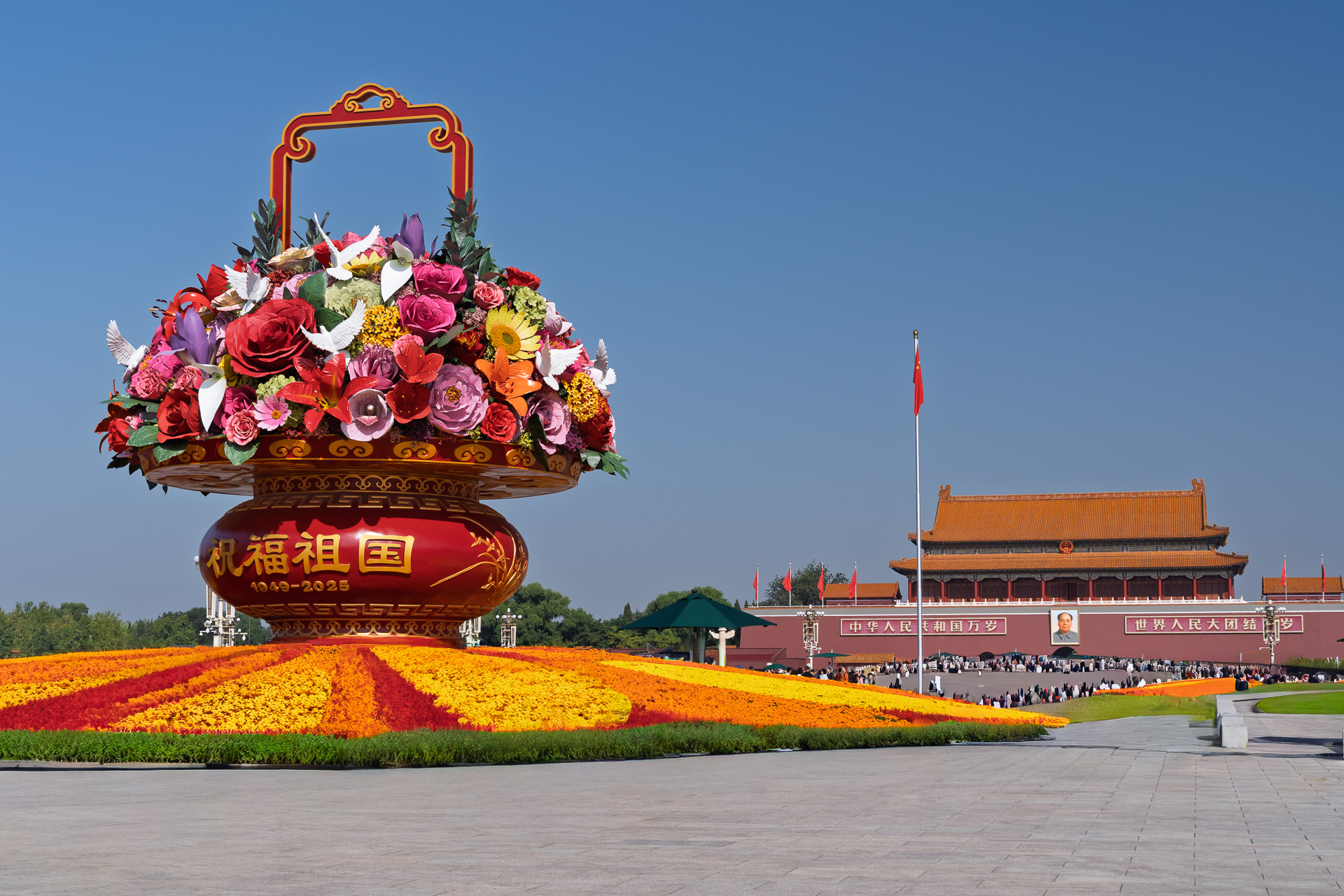
For the National Holiday on October 1, the government places a giant ‘Bless the Motherland’ flower basket in Tiananmen Square. Its position is significant, directly across from the ‘Gate of Heavenly Peace.’
The Summer Palace – Beijing
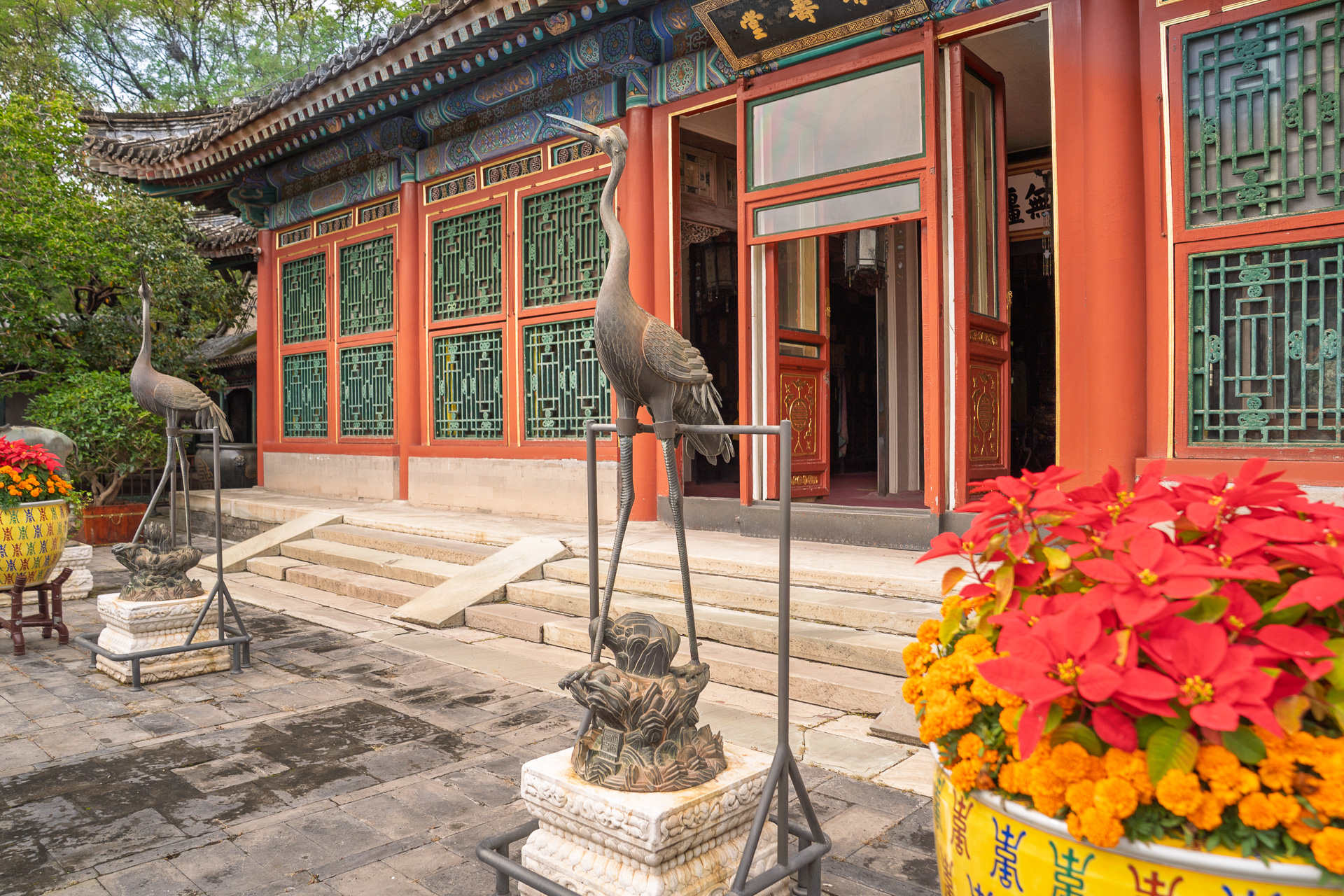
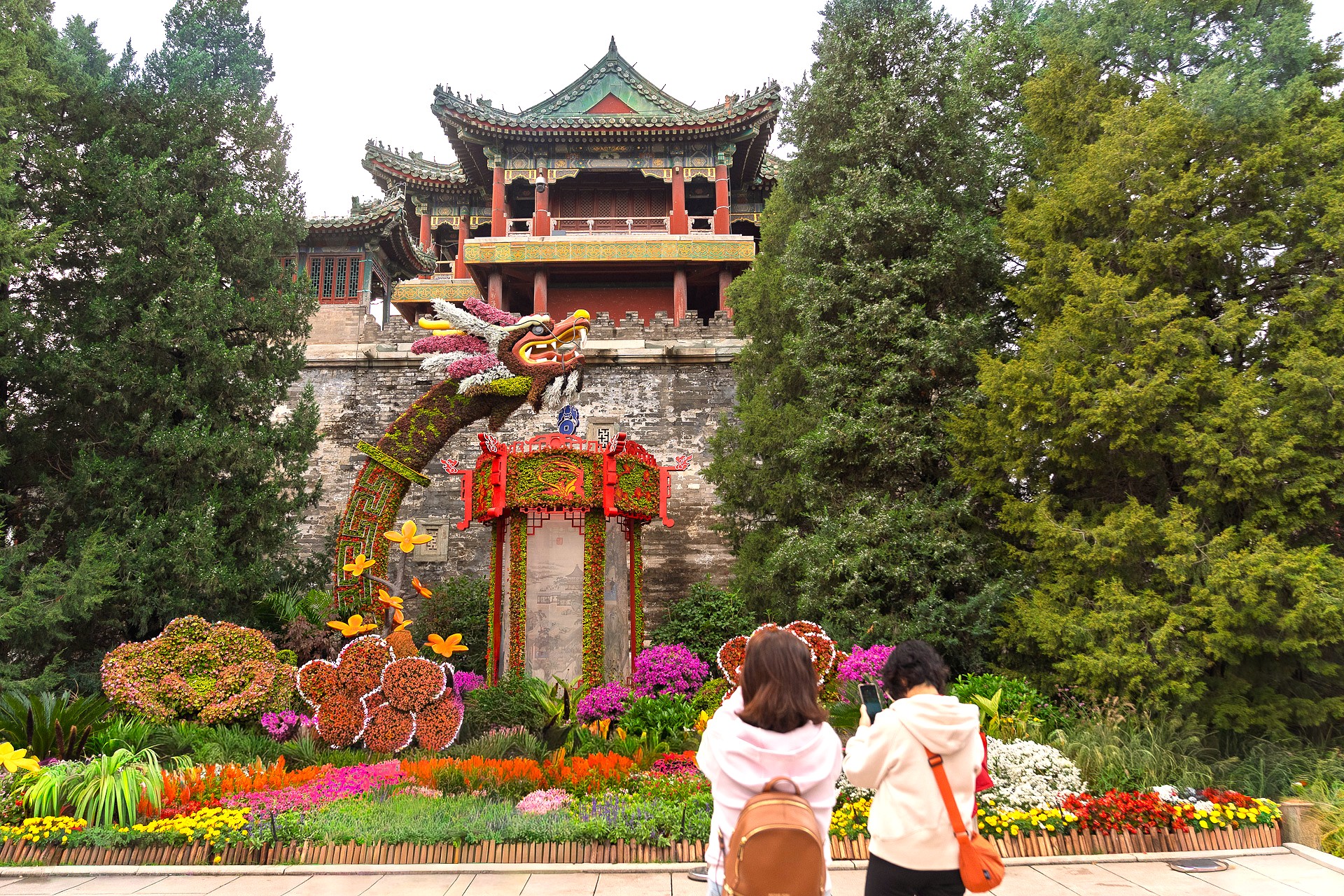
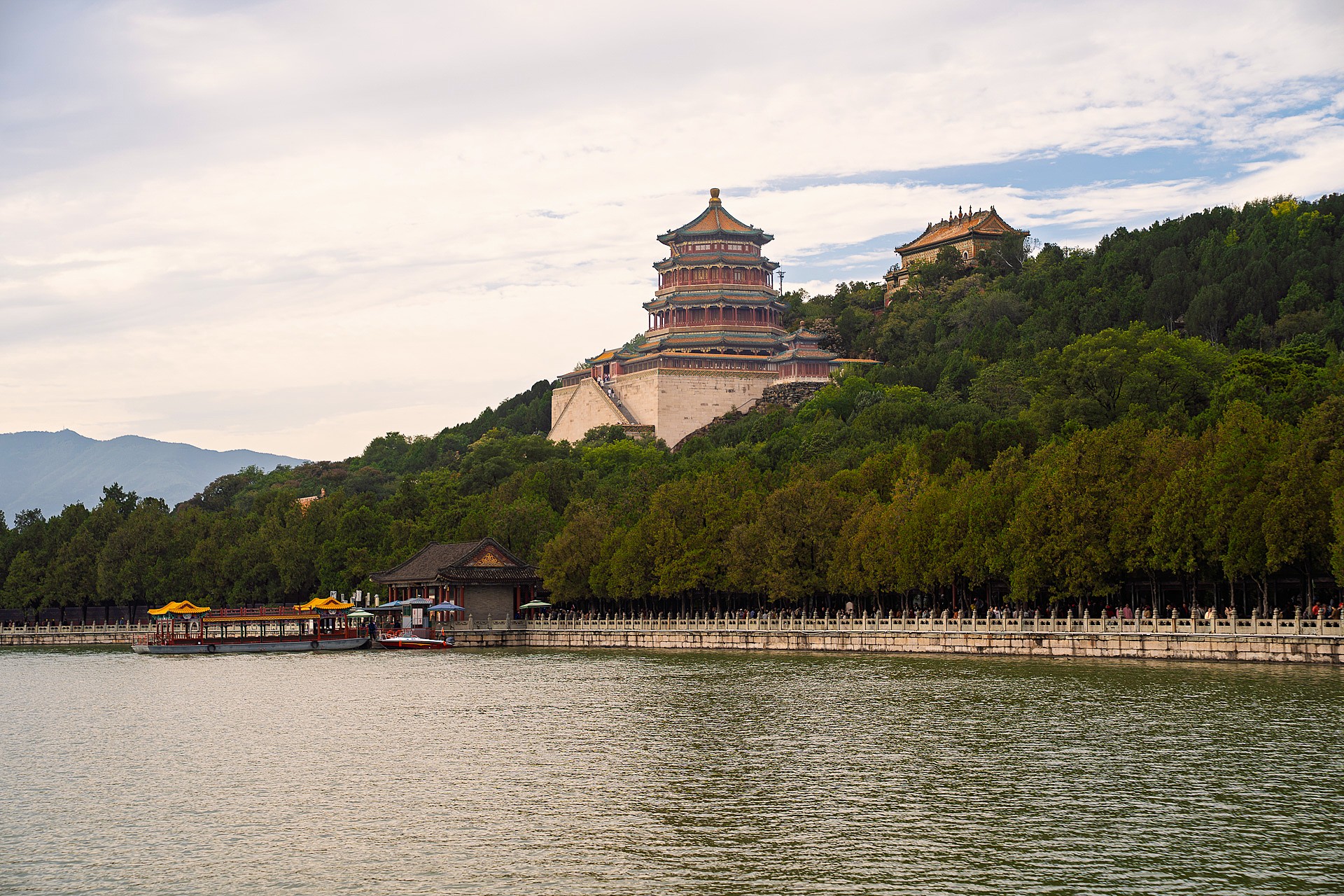
The Summer Palace served as a serene retreat from the heat of Beijing for the imperial families. Now, it is most famously linked to the de facto ruler of China’s Qing dynasty, Empress Dowager Cixi. Cixi ruled from behind the scenes as regent for 47 years, until her death in 1908. The landscape, built between 1750 and 1764, spans 741 acres. It features more than 3,000 ancient Chinese buildings, and houses a collection of over 40,000 valuable historical relics.
‘The Summer Palace is a masterpiece of Chinese landscape garden design with artificial features such as pavilions, halls, palaces, temples, and bridges forming a harmonious ensemble of outstanding aesthetic value.’ – UNESCO
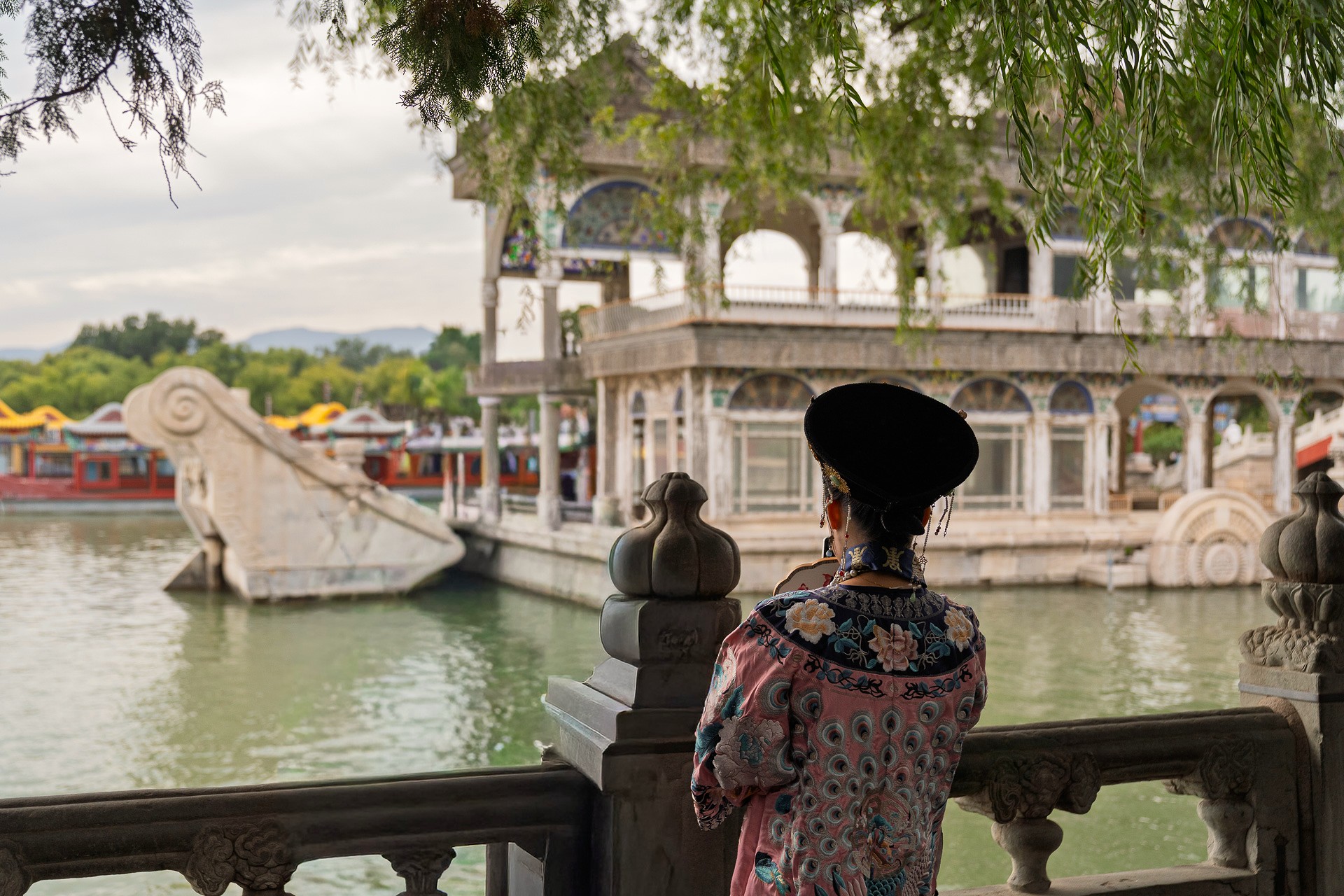
Structures at the Summer Palace have exotic and otherworldly names: ‘Gate of Good Omen Coming from the East,’ ‘Pavilion of God of Literature,’ ‘House of Endless Consciousness,’ and Precious Cloud Pavilion.’ One notable feature reflects Empress Cixi’s extravagant tastes. The ‘Marble Boat Pavilion,’ also known as the ‘Boat of Purity and Ease.’ This 19th-century lakeside pavilion at the Summer Palace was restored by Cixi in 1893. It has a marble-painted upper structure built on a stone base and is designed to resemble a paddle steamer.
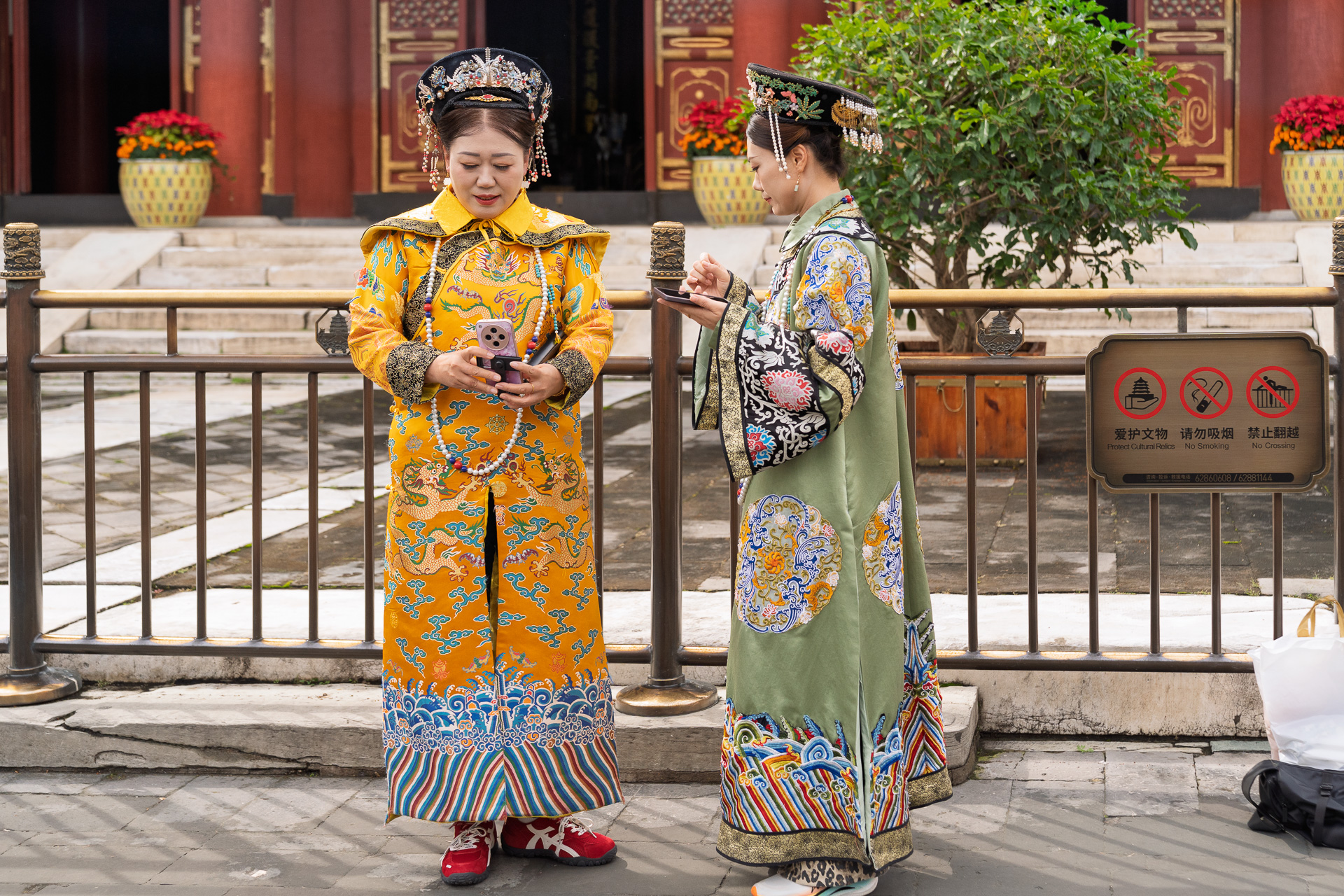
Our guide said it was a slow day, but before we left the Summer Palace, the crowds were so thick on the ‘Long Corridor’ avenue along the lake that we could hardly get through. The girls in Hanfu, all in their regalia, managed to find the best photo spots.
The Forbidden City – Beijing
Overcast skies didn’t diminish our enthusiasm for seeing ‘the world’s largest and best-preserved wooden palace complex.’ – UNESCO. We had no time to see but a few of its nearly 1,000 buildings. However, we could imagine the lives of the Chinese emperors who ruled there for 500 years. Girls in hanfu costumes brought it to life. With them, we could imagine the Empress or some of the many thousands of concubines gracing the courtyards.
Girls in Hanfu were excited, posing for pictures and periodically checking to see how they turned out.
Consider the number of concubines who might have lived in the Forbidden City. While it’s challenging, think of it as a system designed to secure the emperor’s legacy. The emperors created this vast imperial harem to ensure the production of heirs. You might believe that one, two, or even three women would be enough to ensure the future’s security. However, at the height of the Ming Dynasty, the imperial harem in the Forbidden City could encompass thousands of women. One emperor reportedly had as many as 6,000 concubines. – China Forbidden City
‘The harem was not just a collection of women; it was a complex system of hierarchy, politics, and control. Concubines were typically young women, often aged 14-16. They were selected for beauty, virtue, and family background, sometimes from noble families, to strengthen political alliances. They lived in strict isolation, with eunuchs governing their activities. Their primary role was to bear children—especially sons—to secure the imperial lineage.’ – chinaforbiddencity.com.
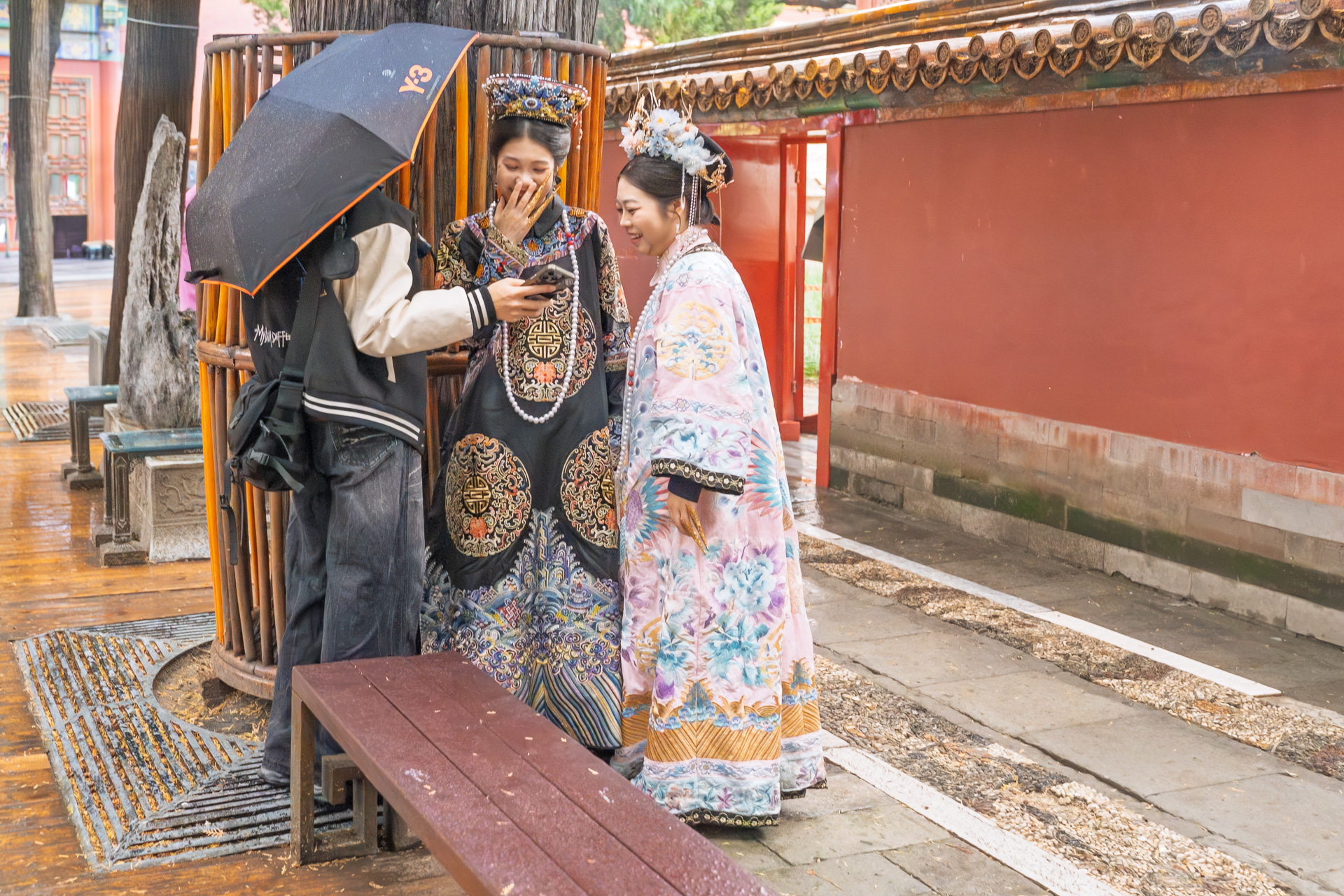
Girls in Hanfu outside the Forbidden City, Beijing 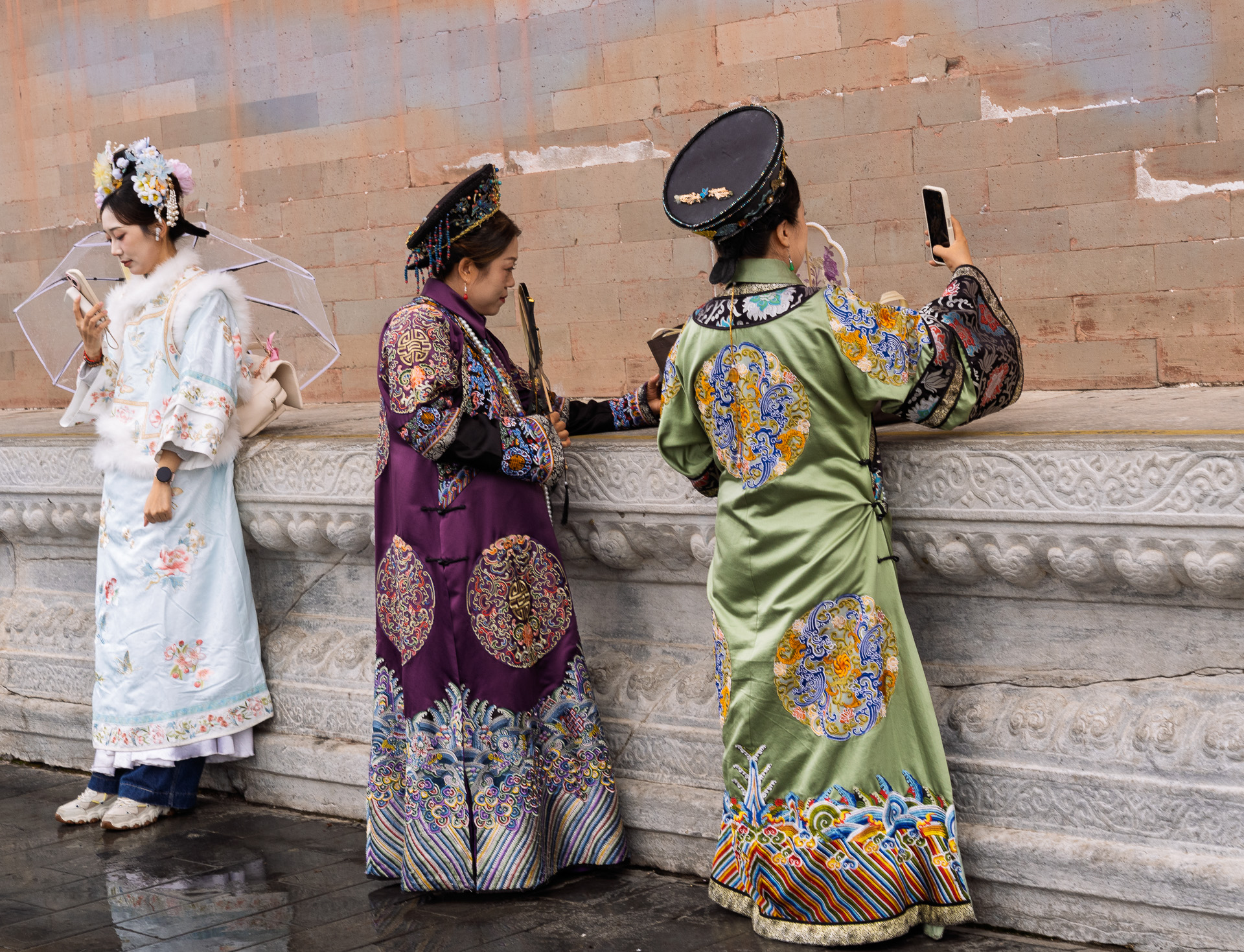
Girls in Hanfu checking photos 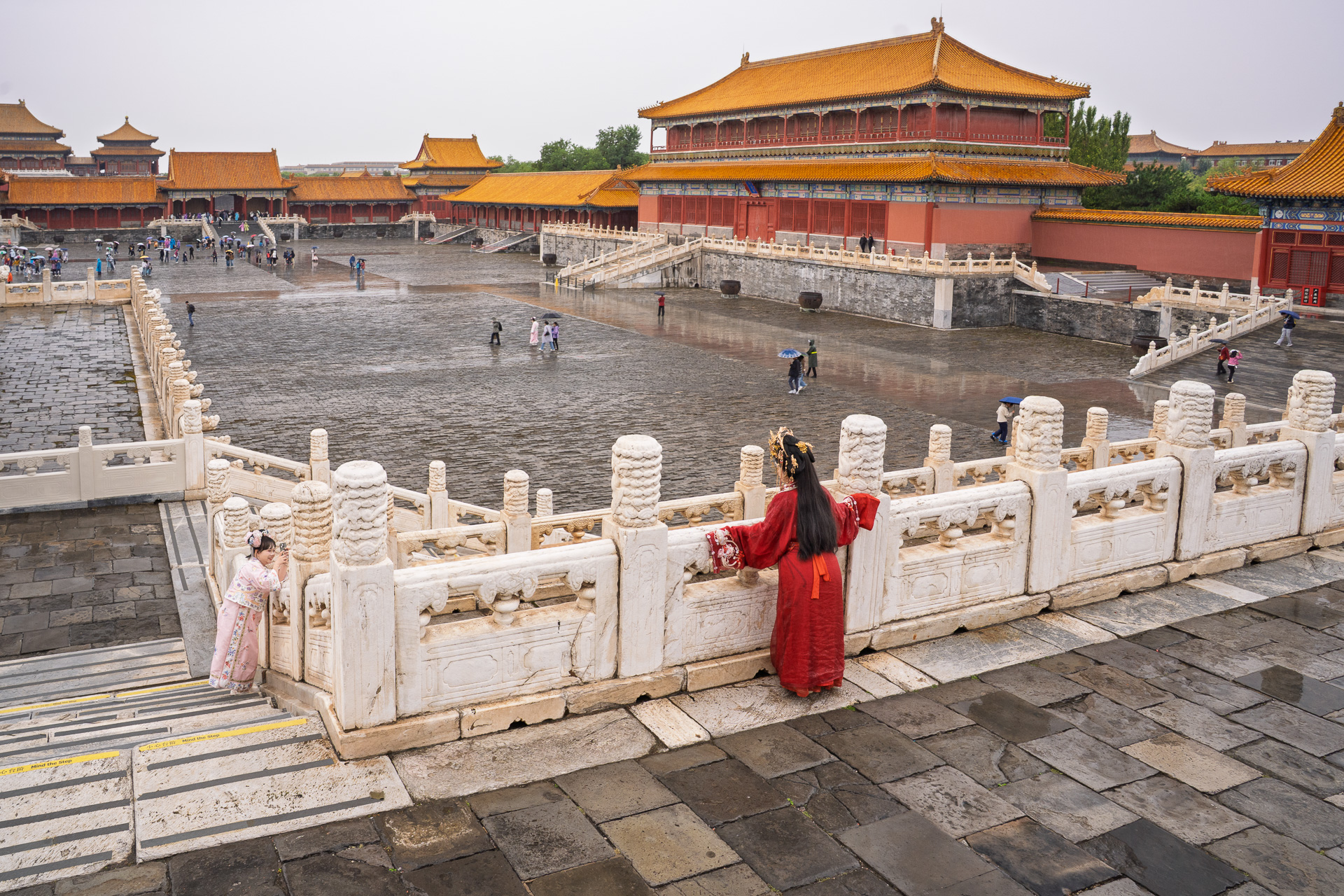
Courtyard leading to the Gait of Supreme Harmony 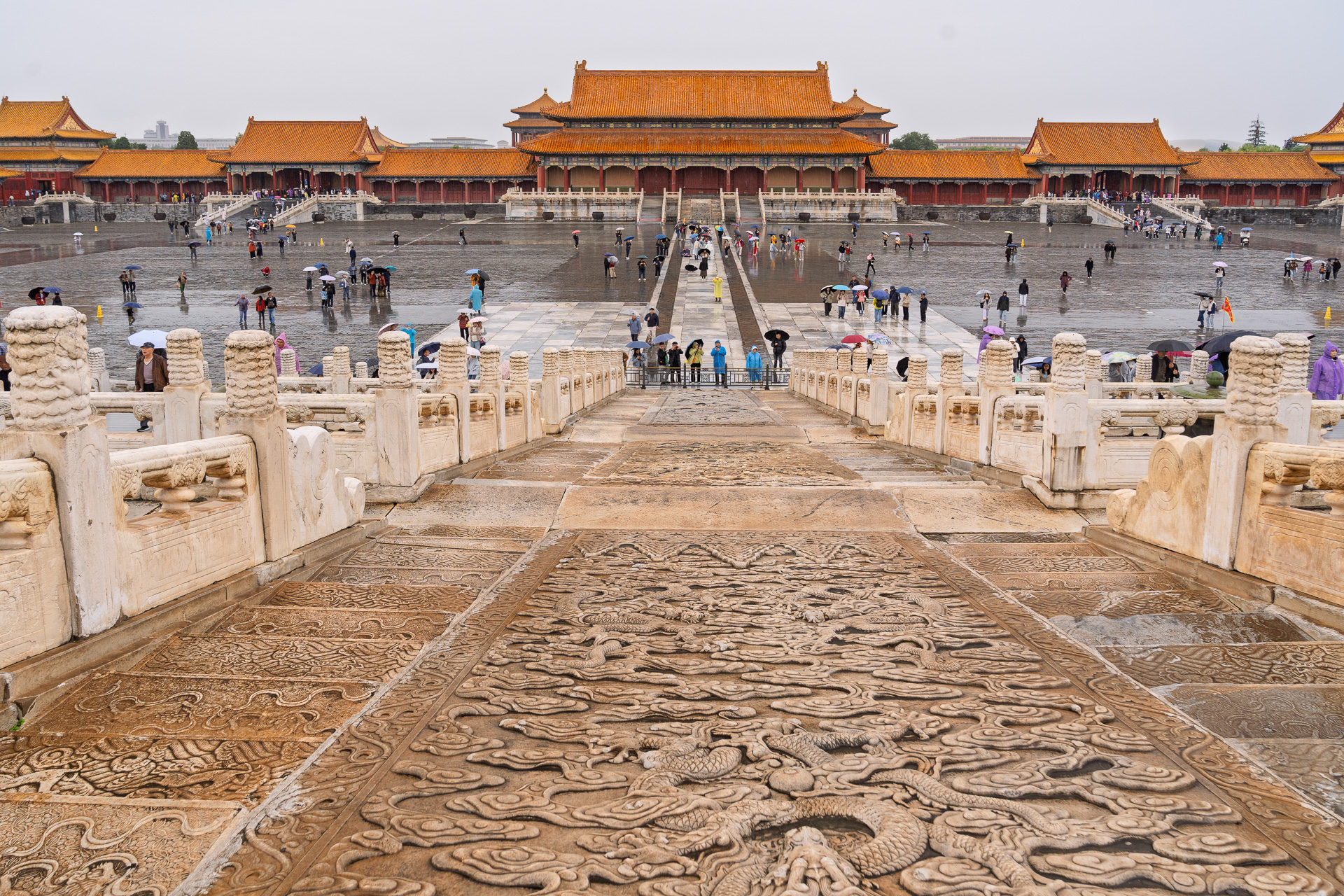
‘Dragon Ramps’ in the Forbidden City, Beijing 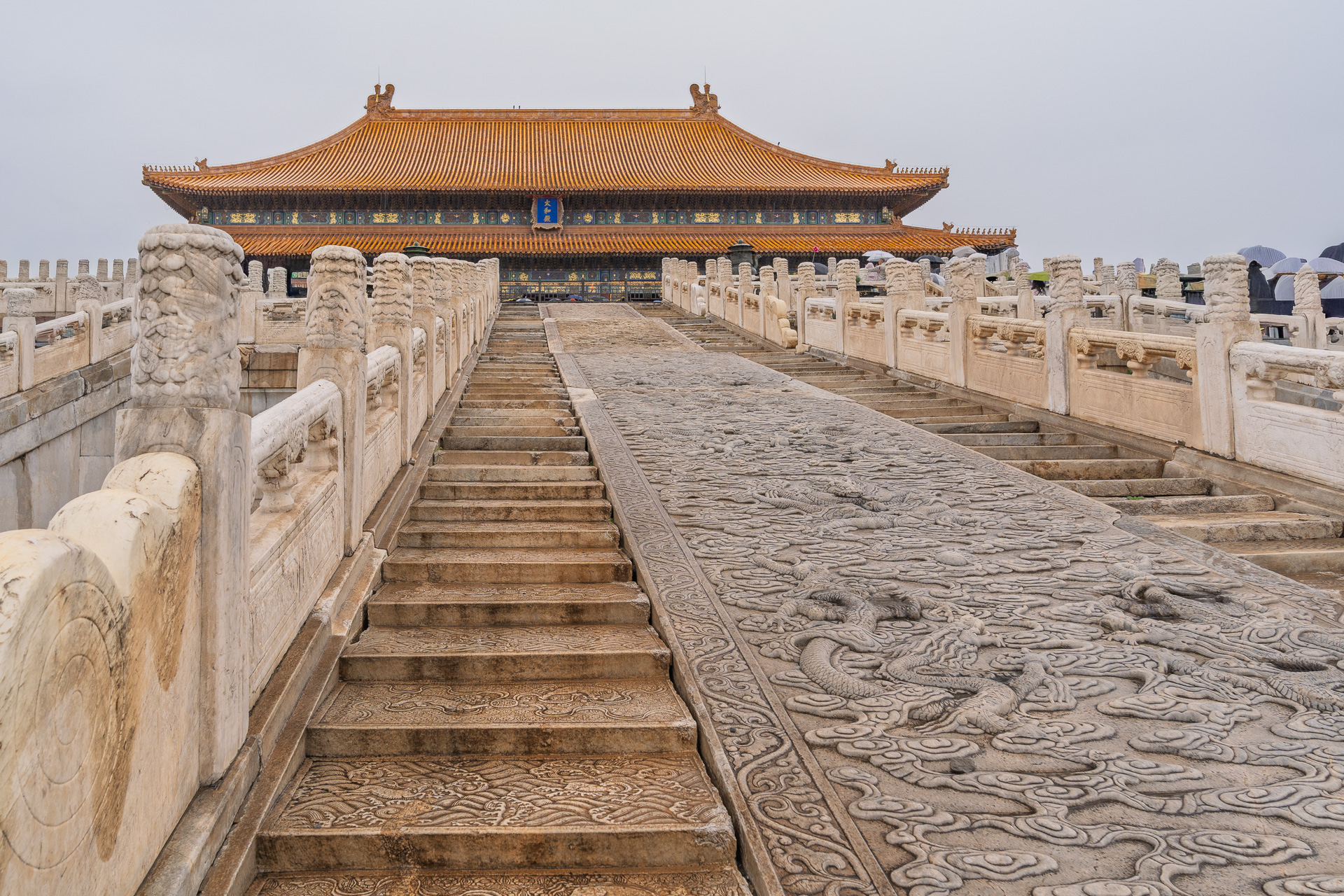
‘Dragon Ramps’ leading to Hall of Supreme Harmony 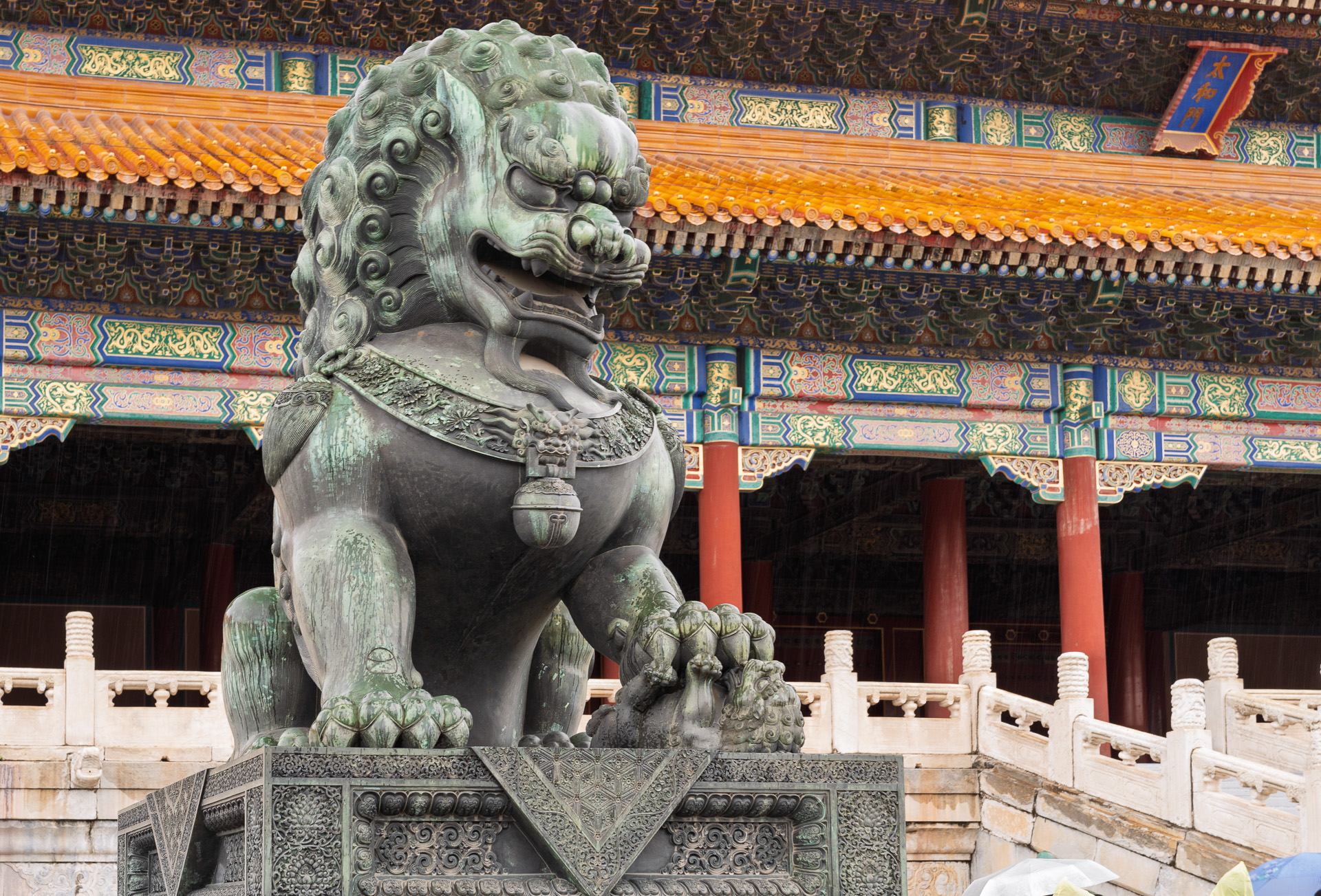
Ming-era lion with left paw on cub symbolizing continutity of the imperial line 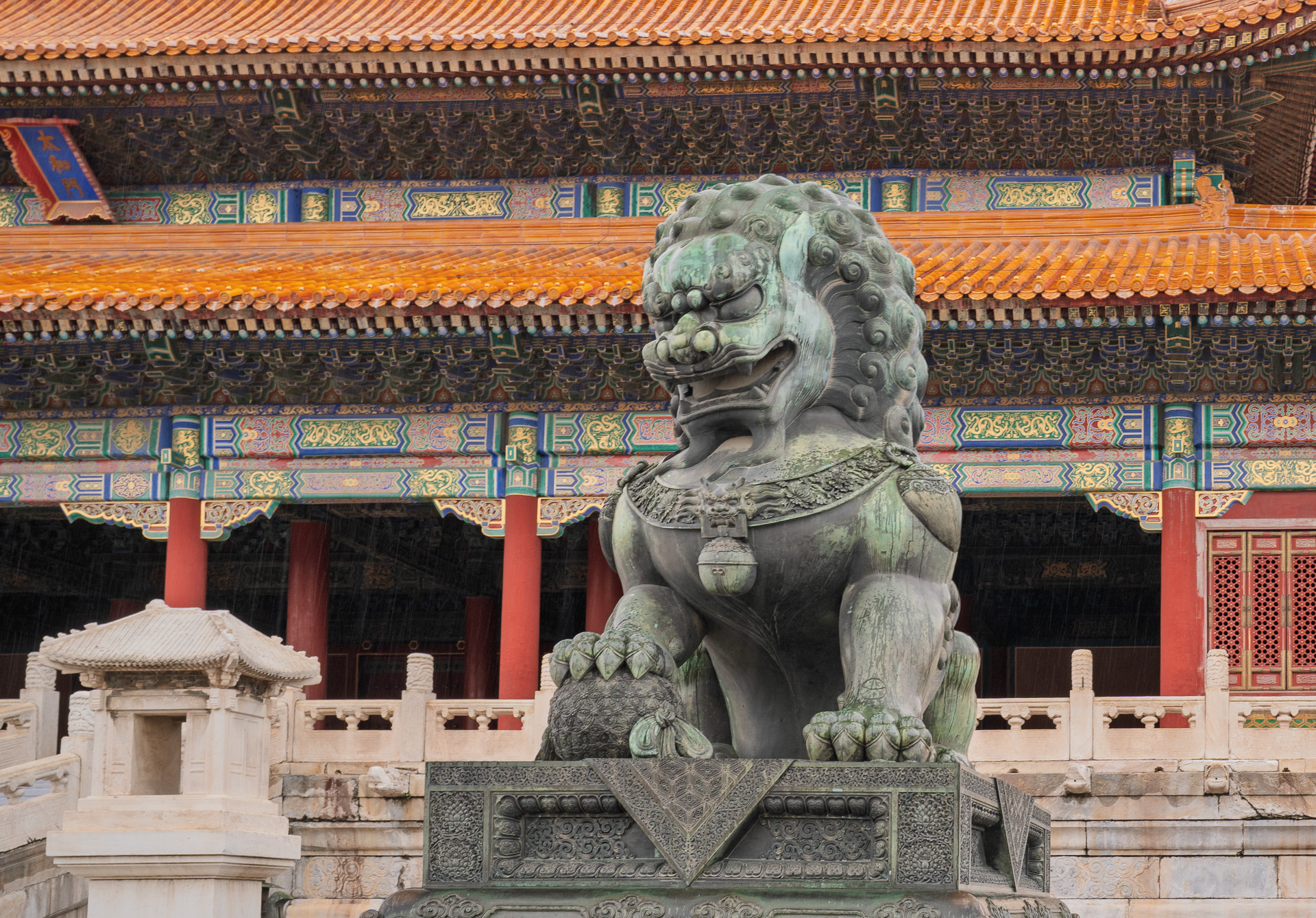
Ming-era lion with right paw on the embroidered ball symbolizing the rule of the emperor 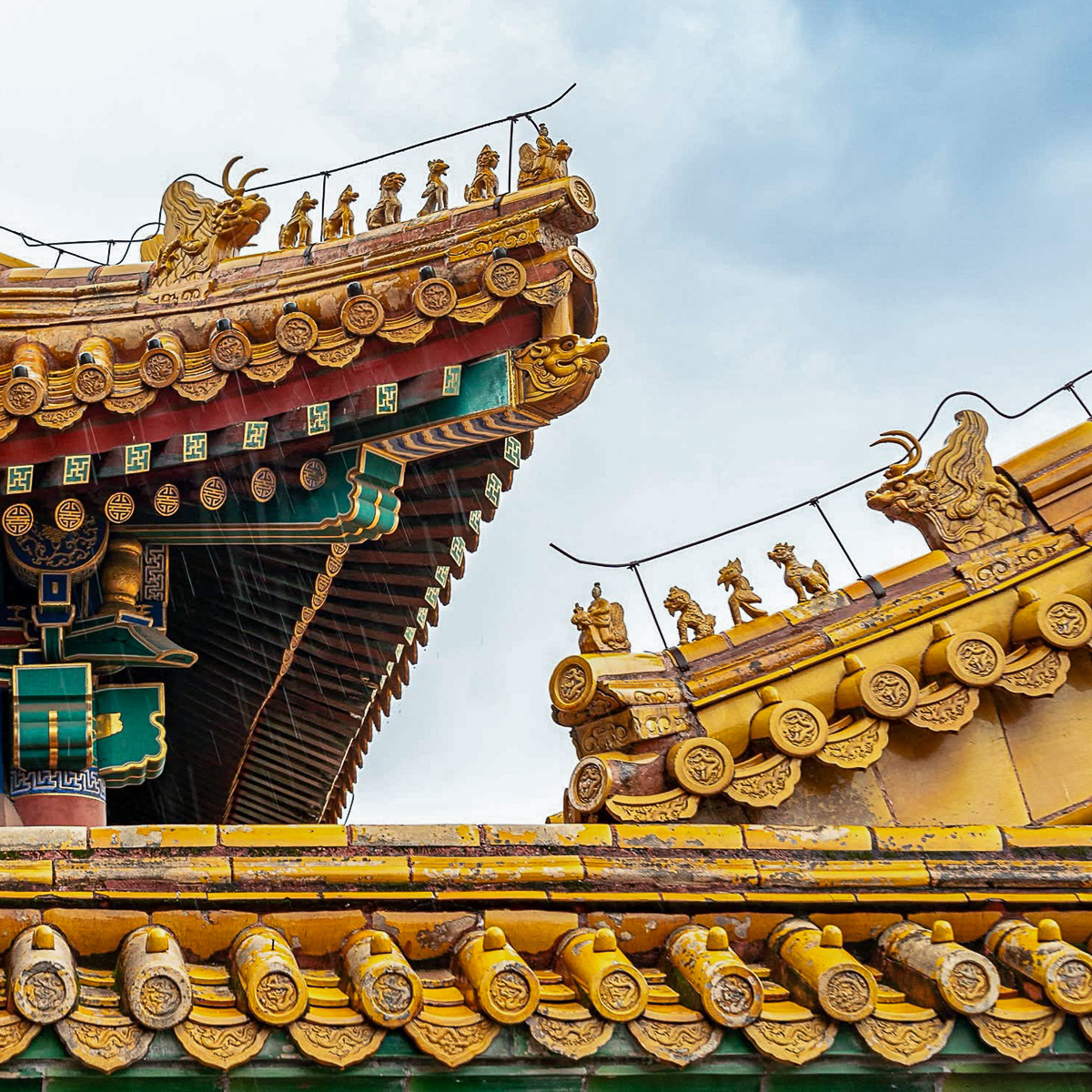
Imperial Roof Figures
Xi’an City Wall, Bell and Drum Towers – Xi’an
At Xi’an International Studies University, distinguished professor Yang Hongyin delivered a history lesson. Spanning 13 dynasties, she highlighted each dynasty’s contributions in a humorous and memorable lecture. During the Han Dynasty (206 BCE-220 CE), China was a hub of trade. The development of the eastern terminus of the Silk Road connected it to Central Asia and the Middle East.
There’s no better place to see the girls in Hanfu. They are posing with professional photographers along the well-preserved city walls and other ancient sites. The Bell and Drum Towers are particularly stunning when illuminated at night. The Bell Tower, especially, provides a dramatic backdrop for the girls in hanfu.
UNESCO recognizes Xi’an, China, as one of the most important cultural capitals in world history.
The morning bell ringing and evening drum beating signaled official time in the city for 600 years. The practice continued until 1911.
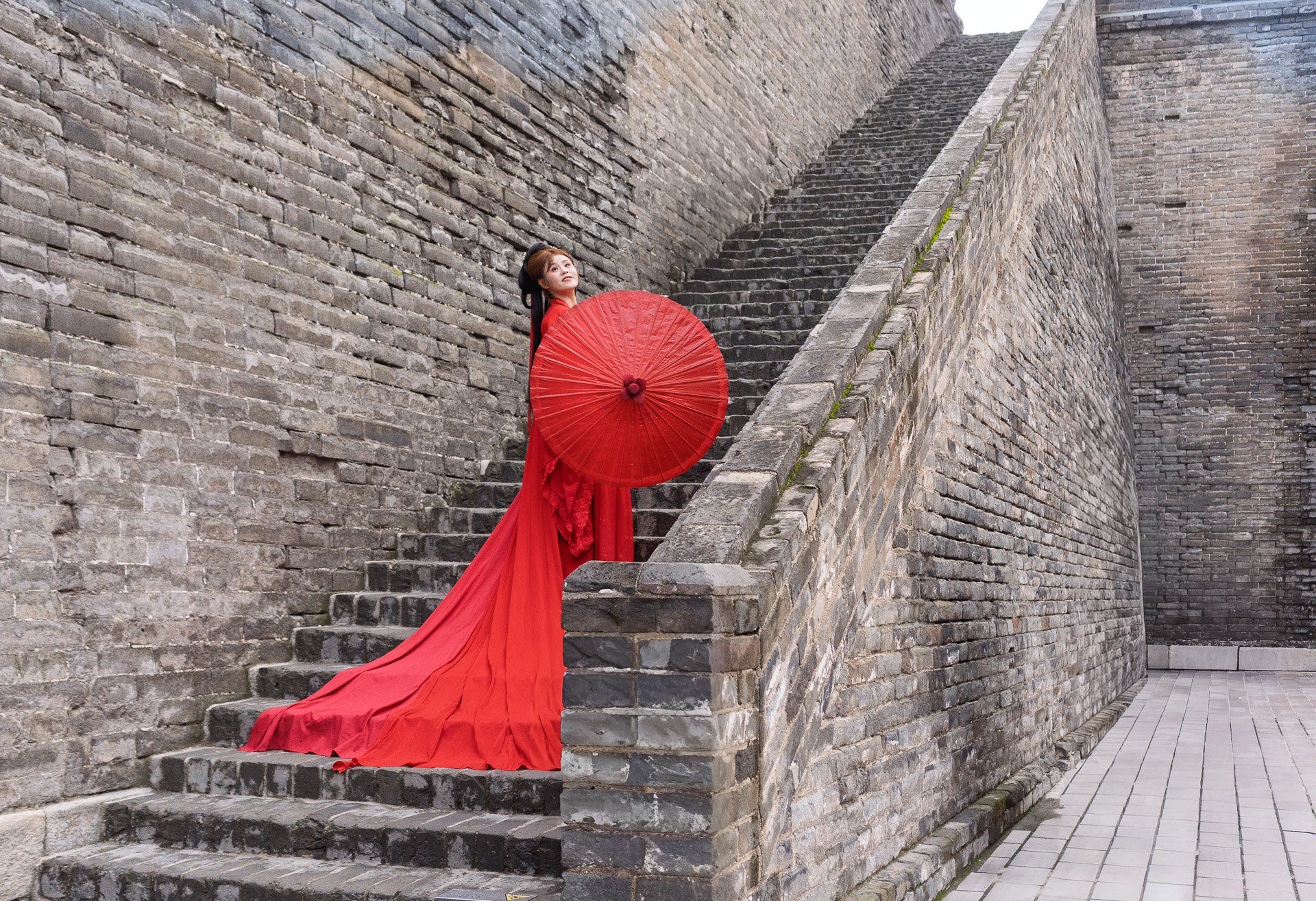
Girls in Hanfu at the Xi’an City Wall 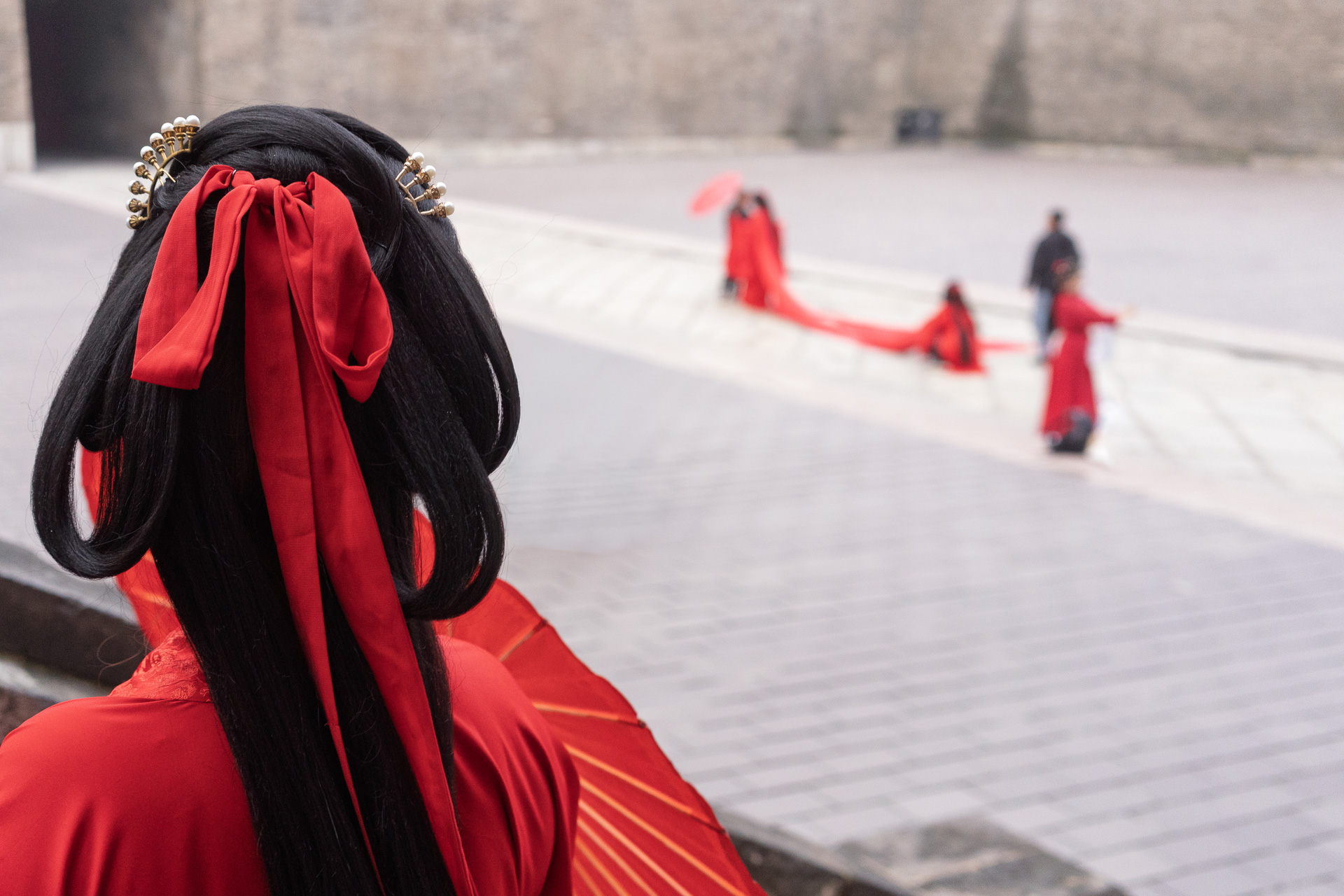
Photography at the Xi’an City Wall 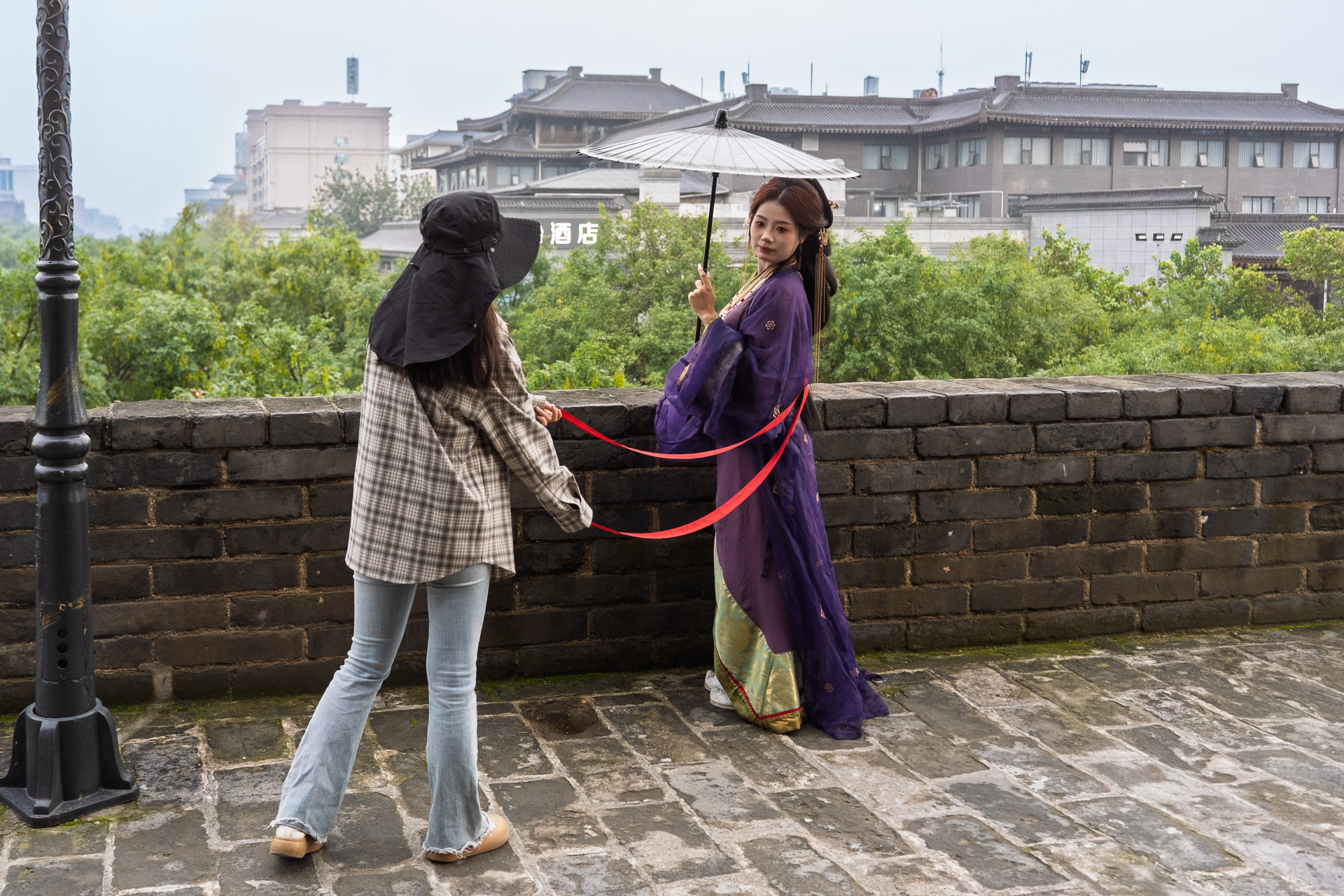
Photography at the Xi’an City Wall 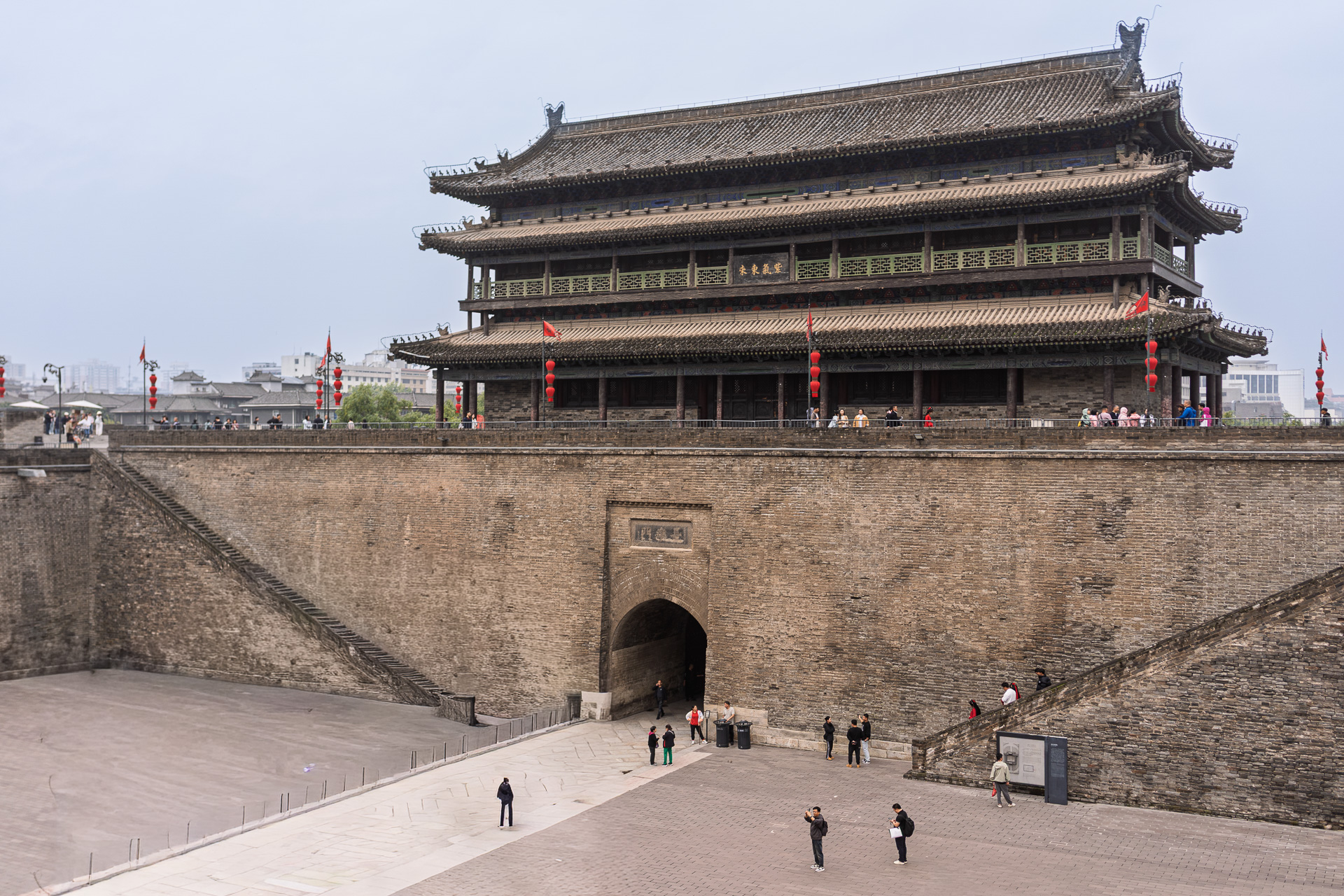
Xi’an City Wall 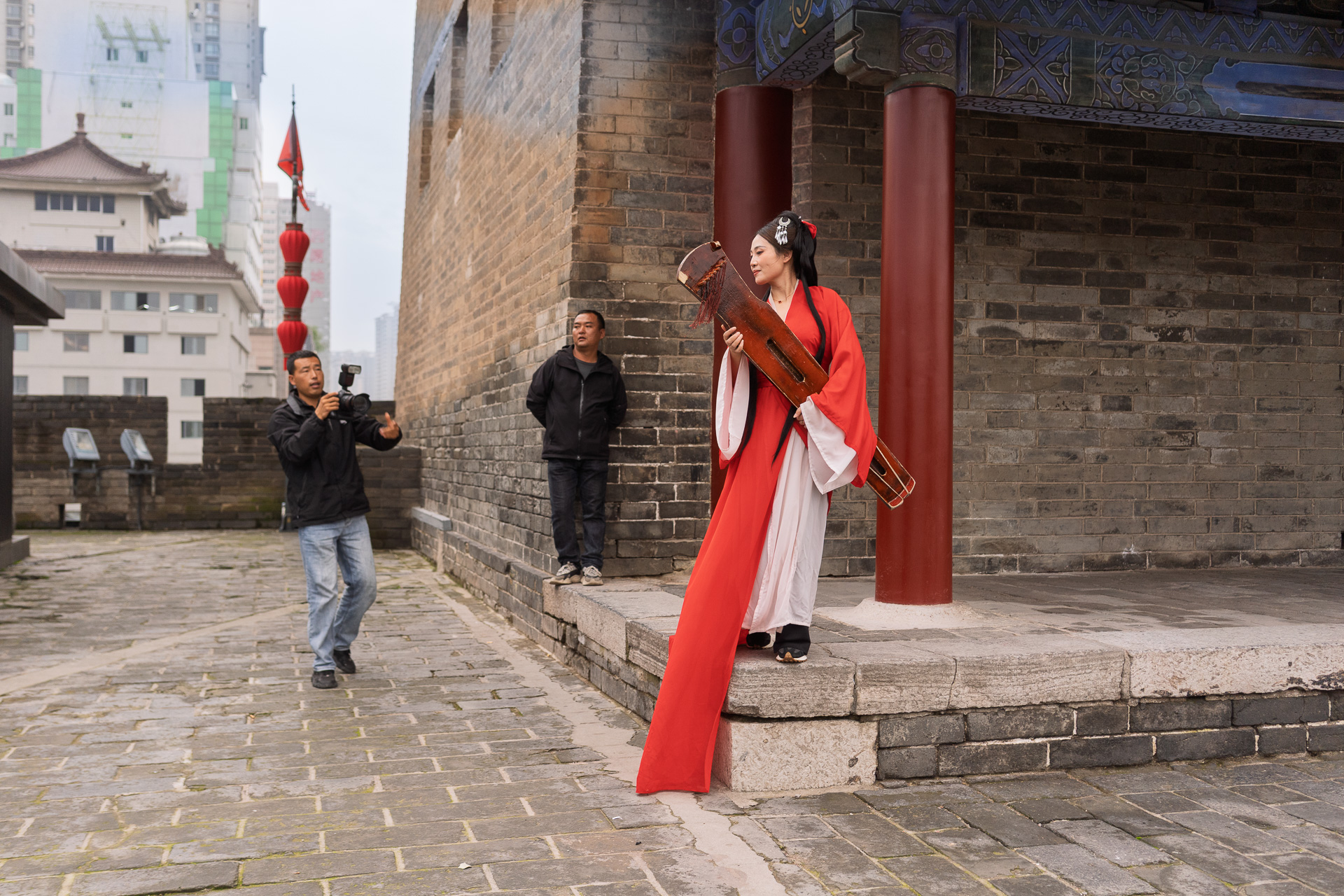
Photos at the Xi’an City Wall 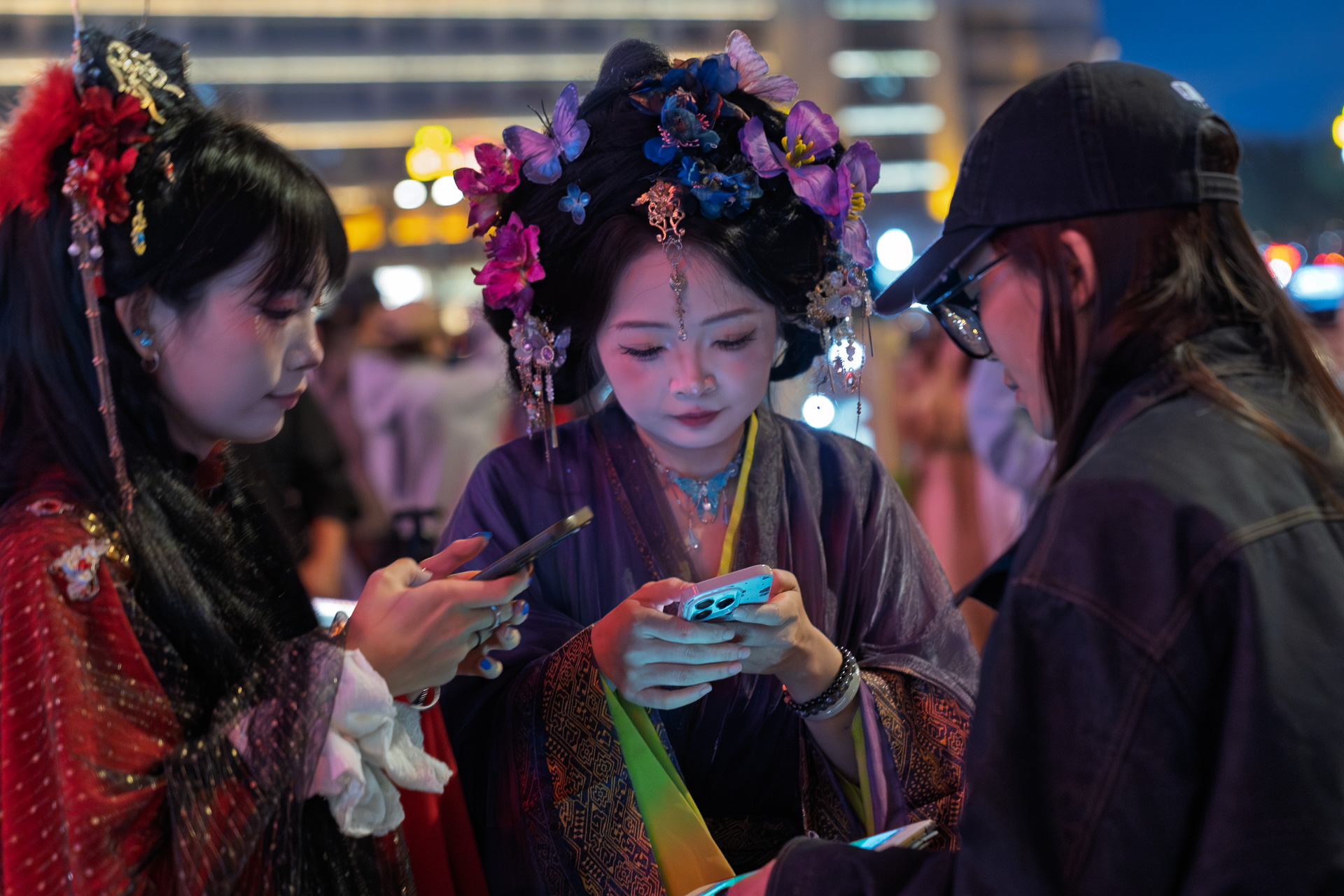
Girls in Hanfu at the Bell Tower 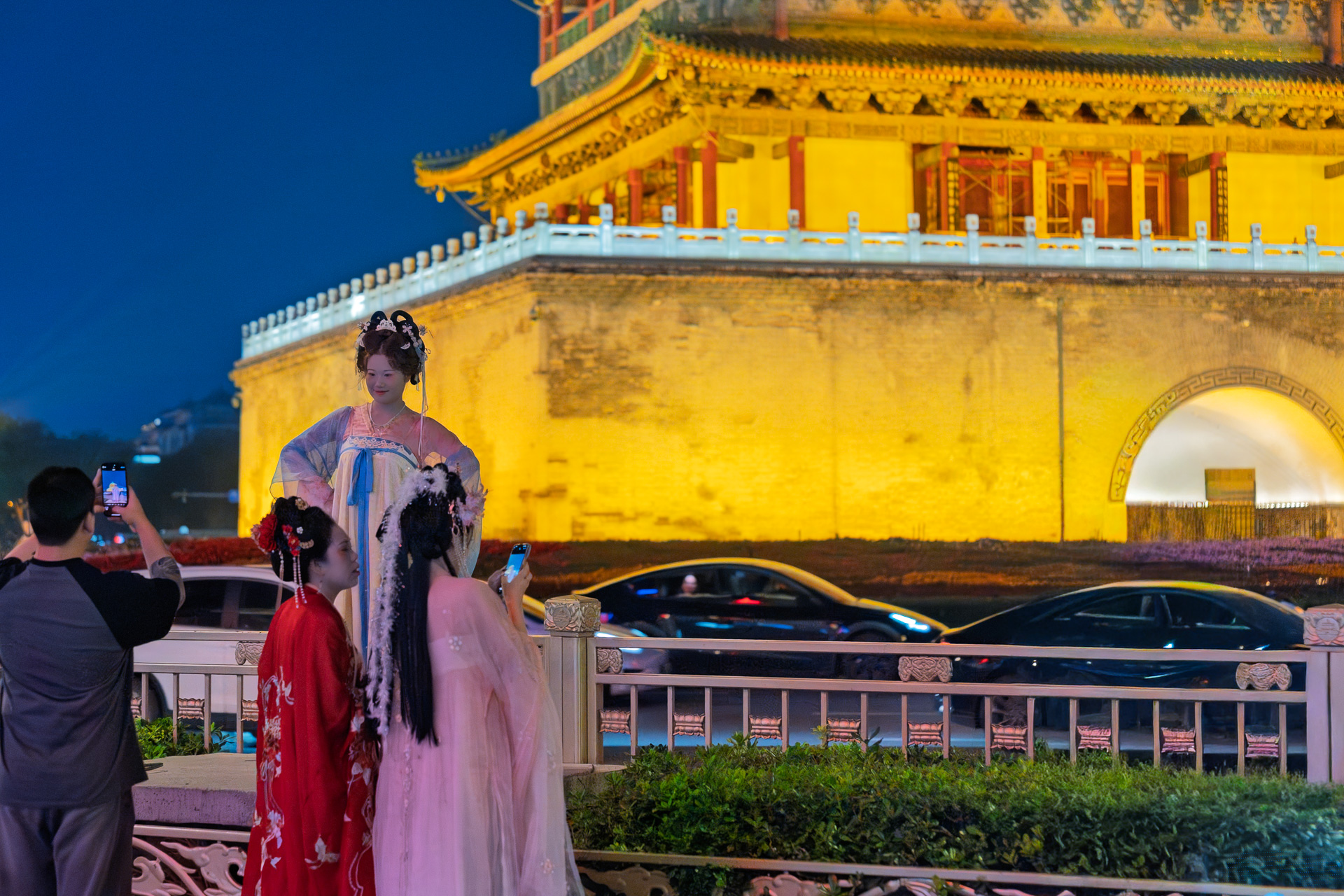
Photography at the Bell Tower 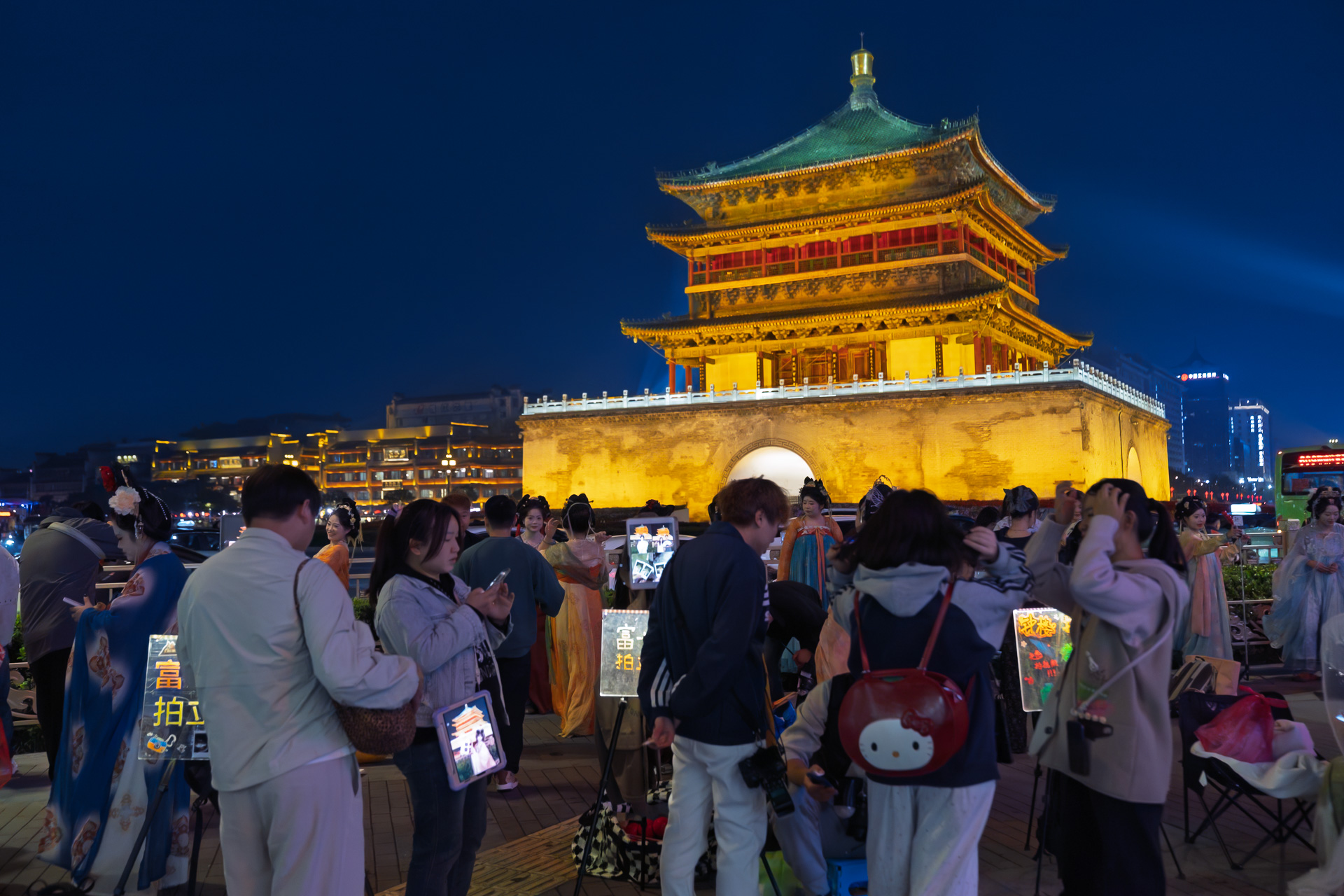
The Bell Tower, Xi’an built in 1384 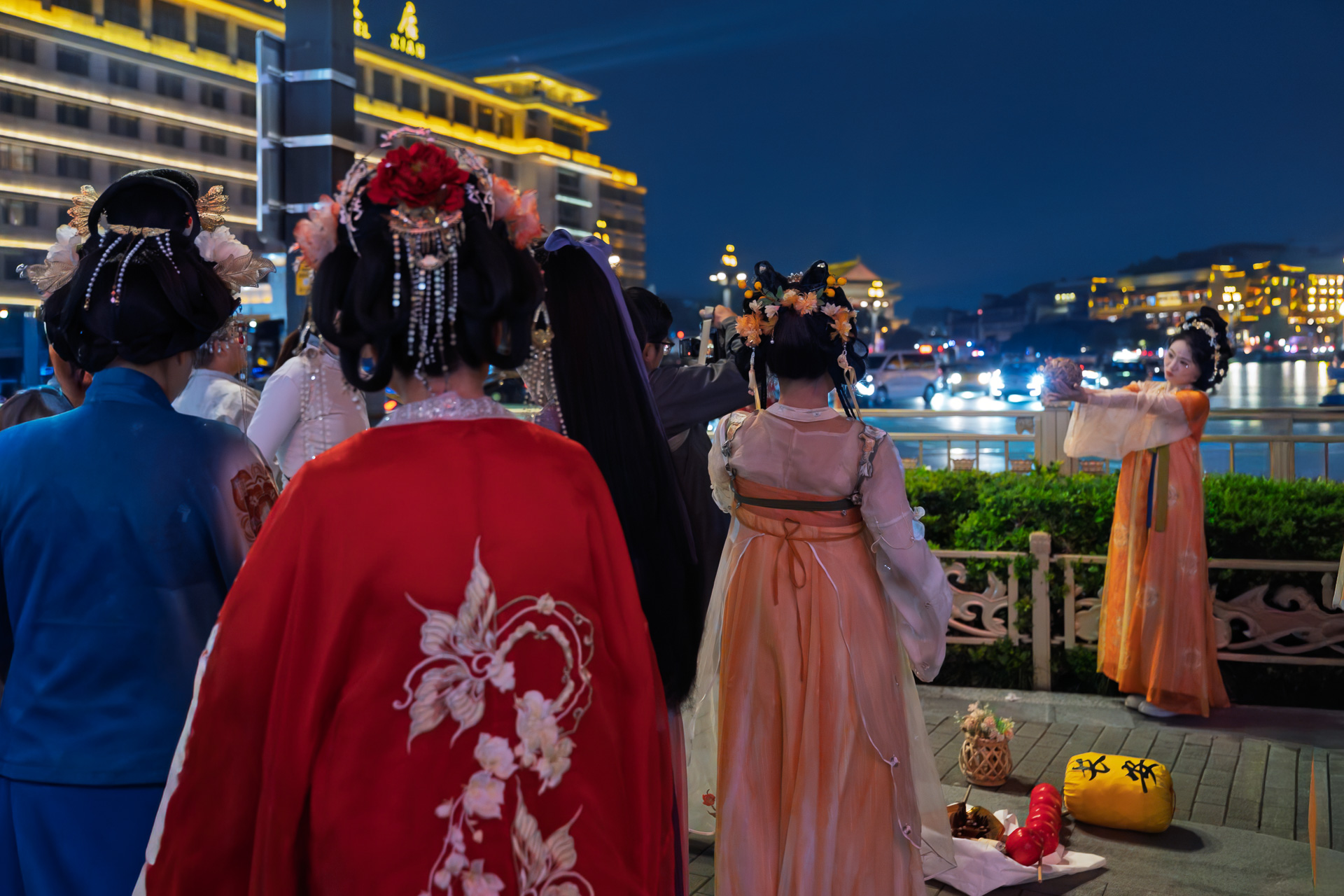
Girls in Hanfu wait their turns for the photographer 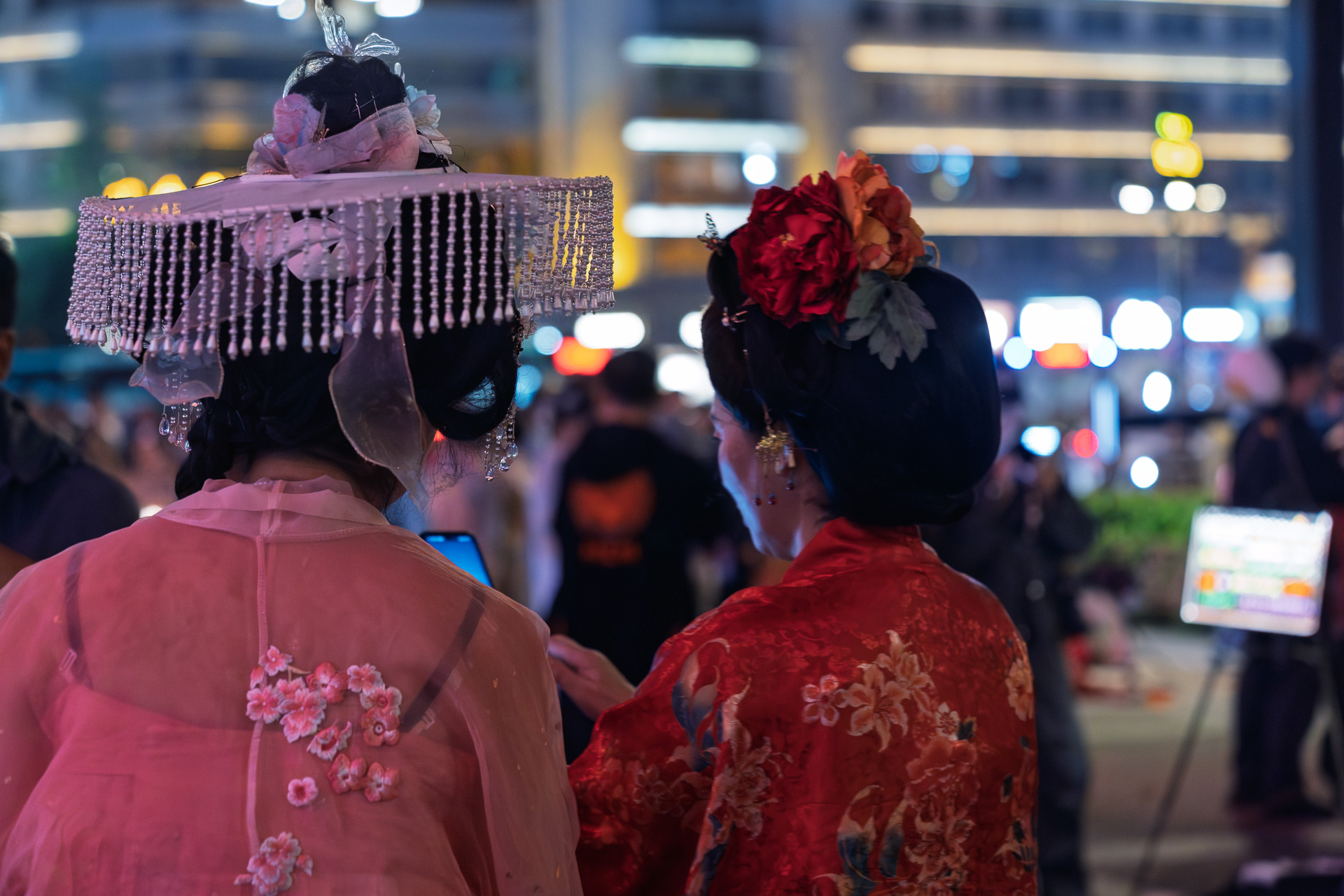
Girls in Hanfu at the Bell Tower 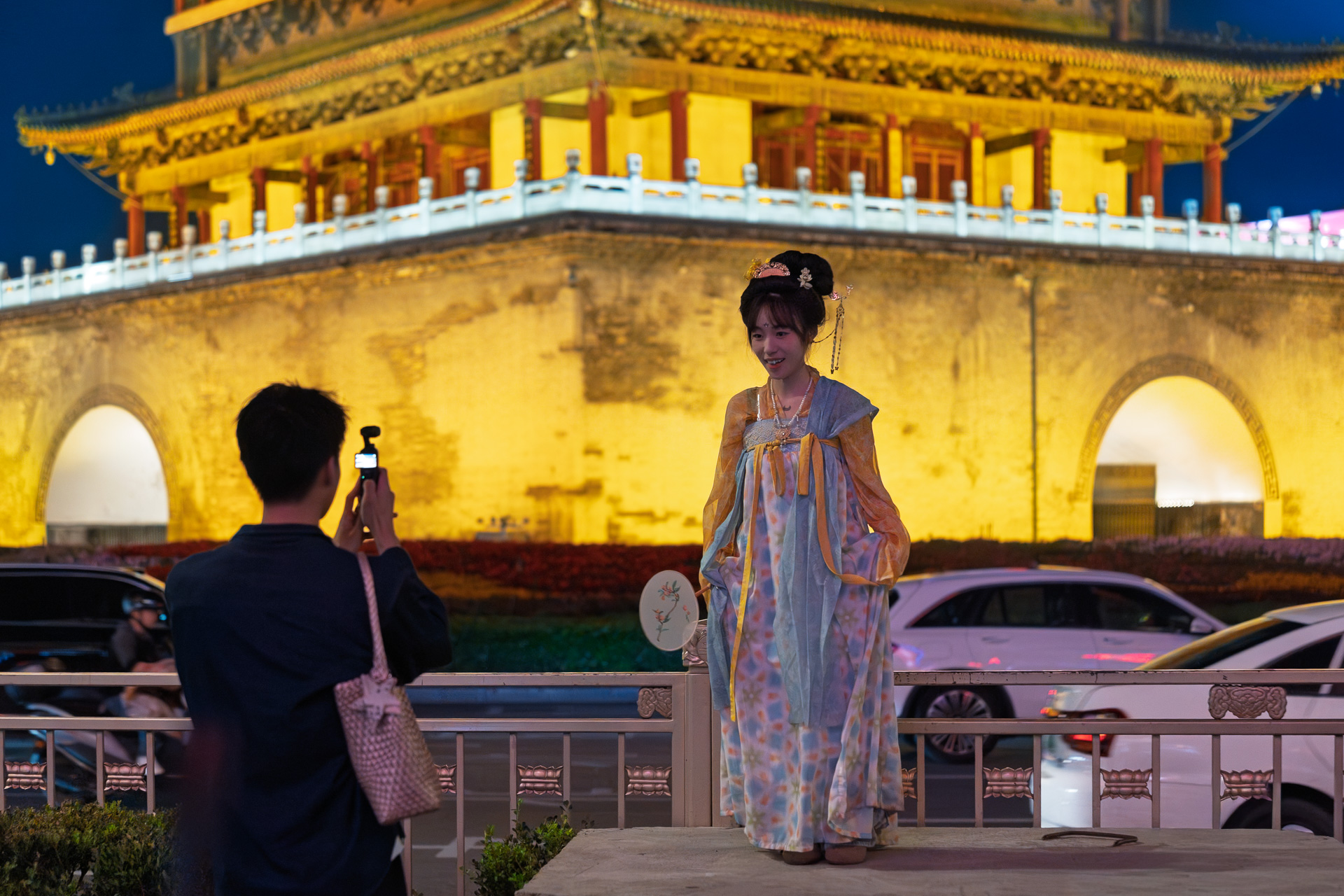
Girls in Hanfu at the Bell Tower 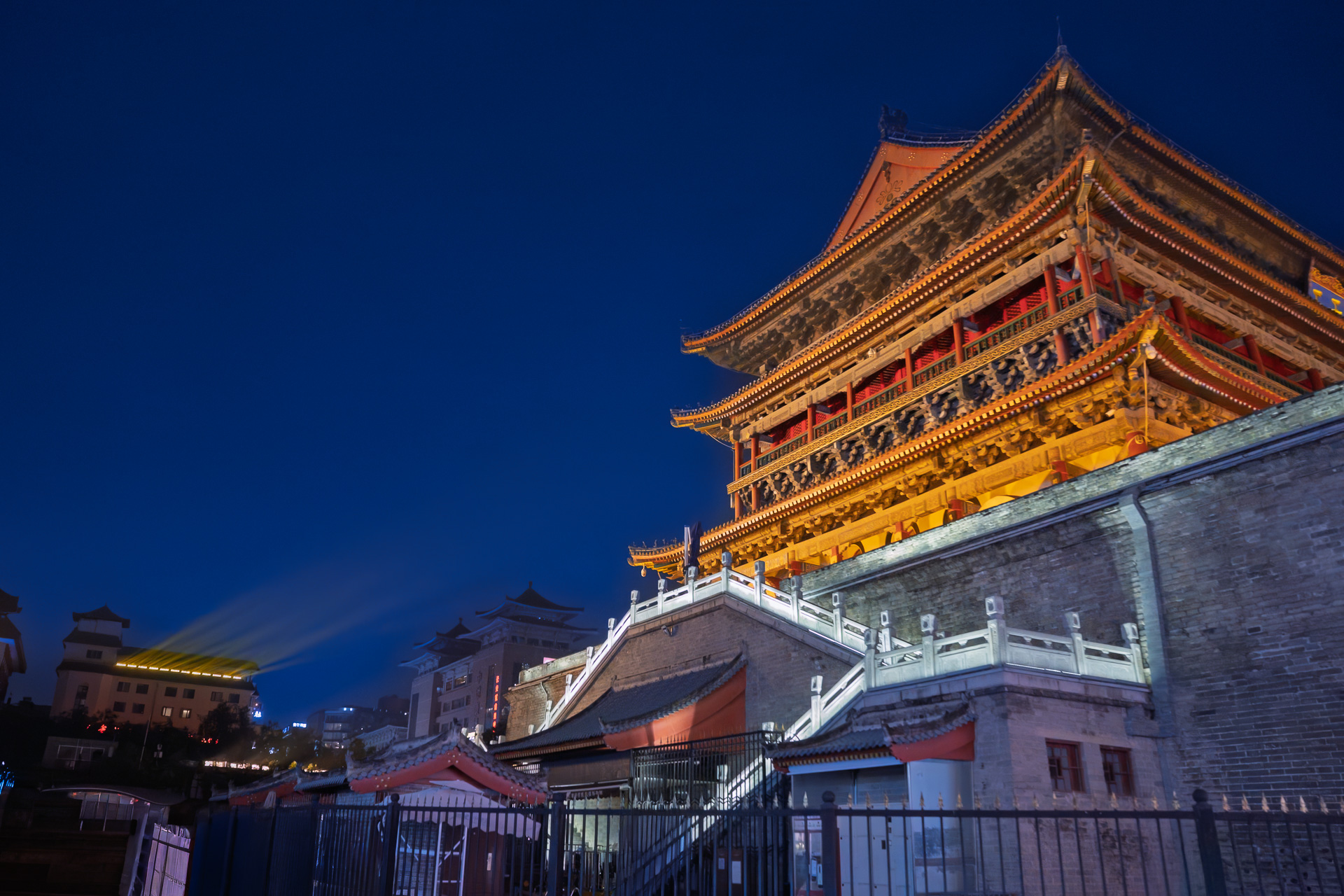
Drum Tower built in 1380s
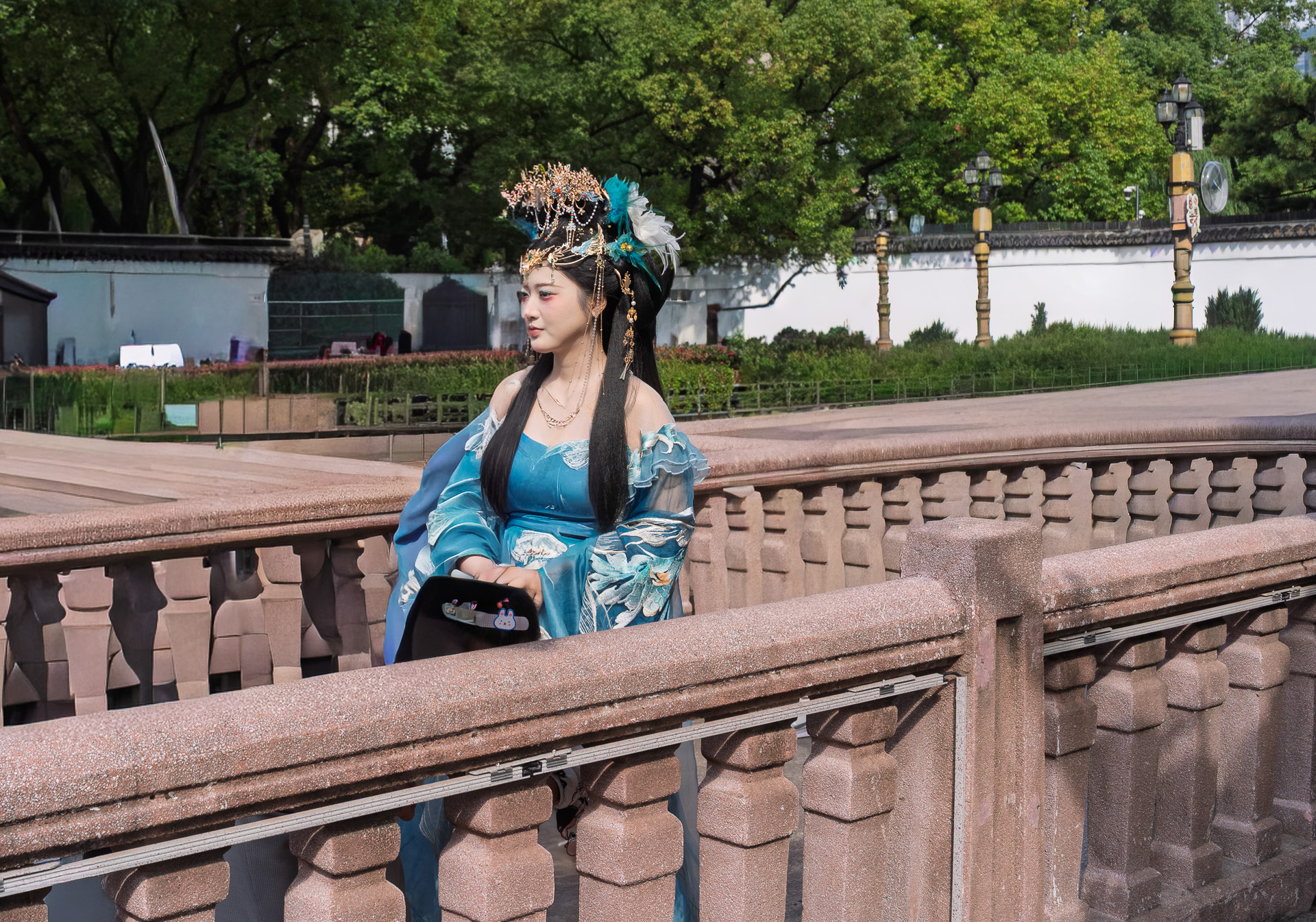
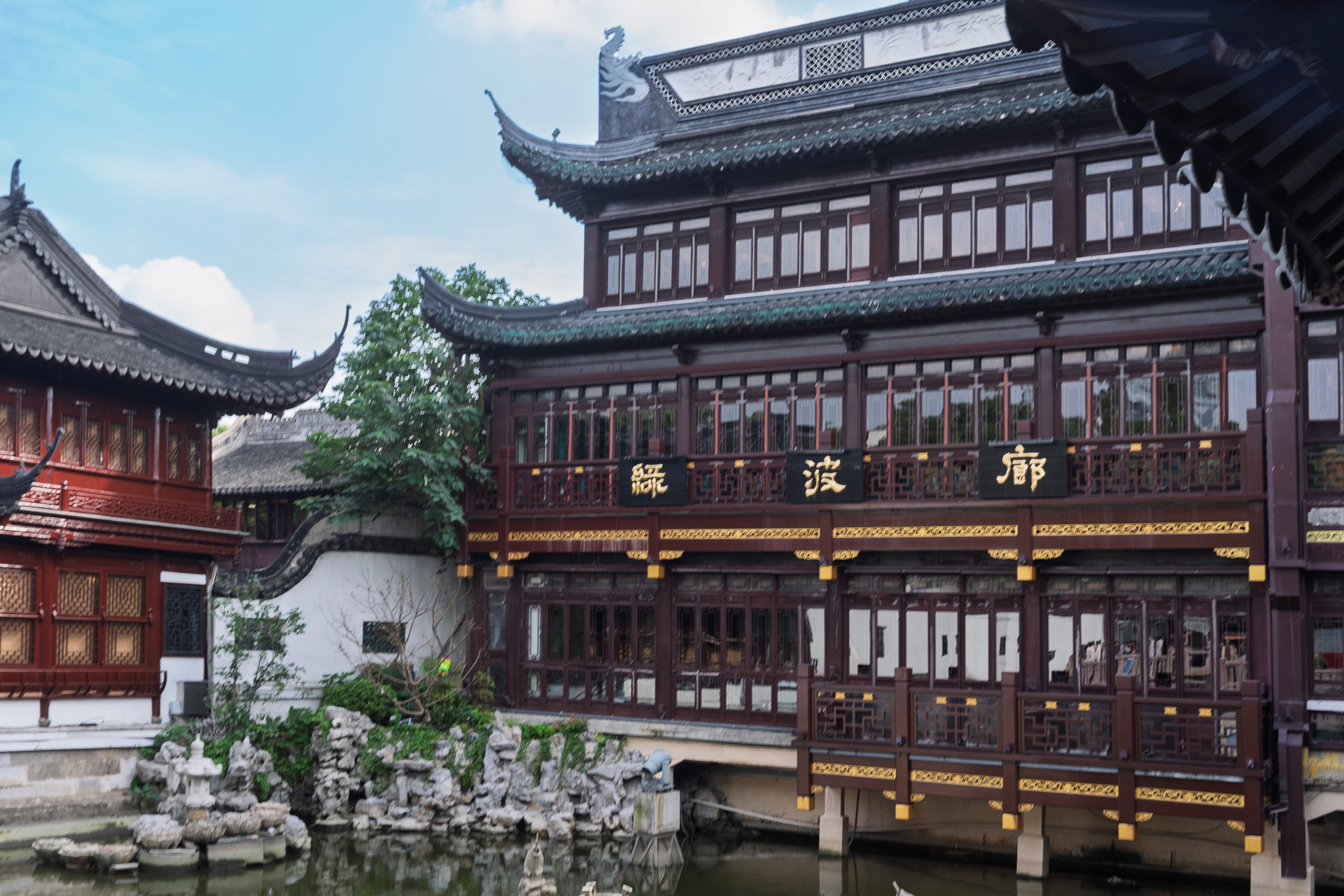
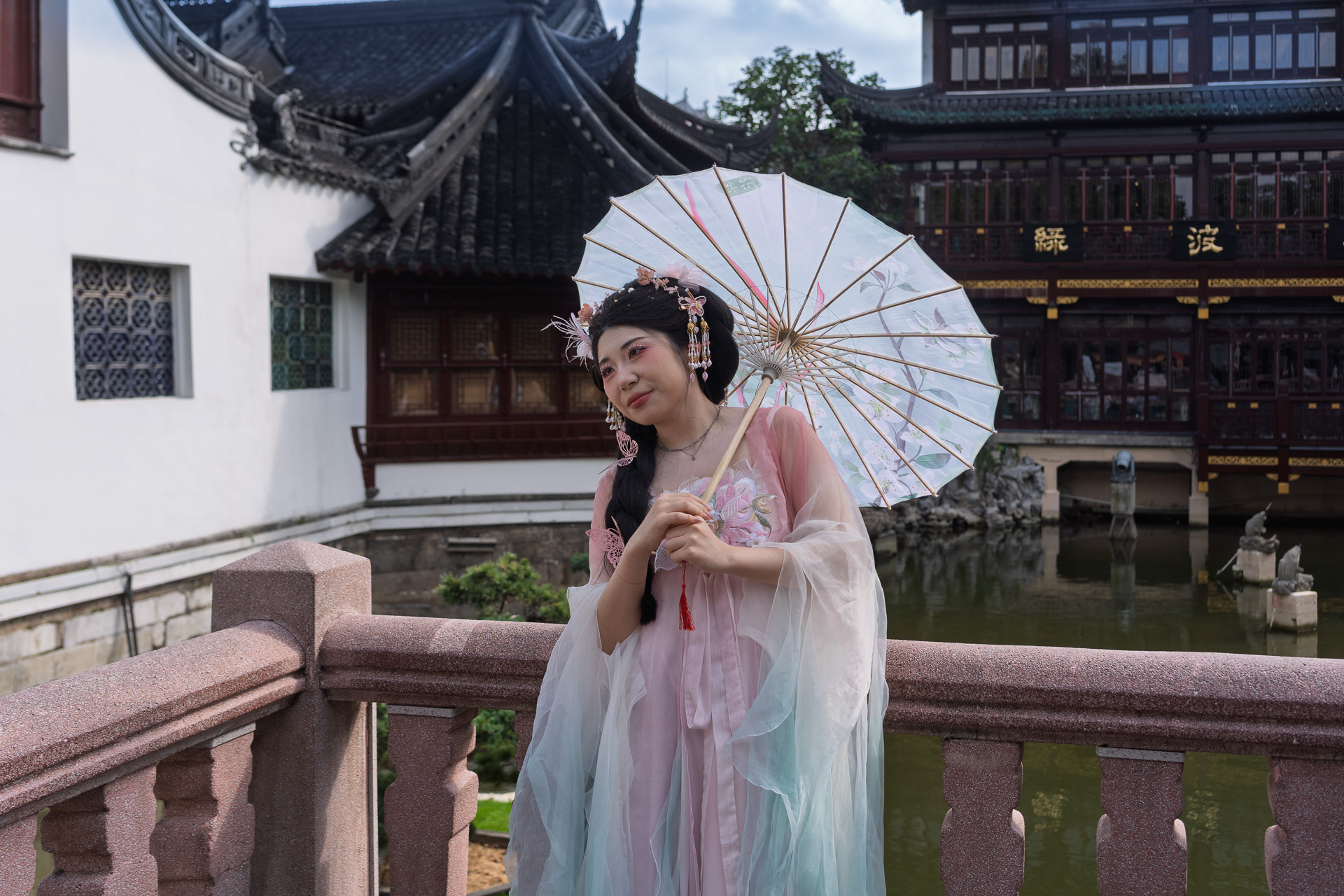
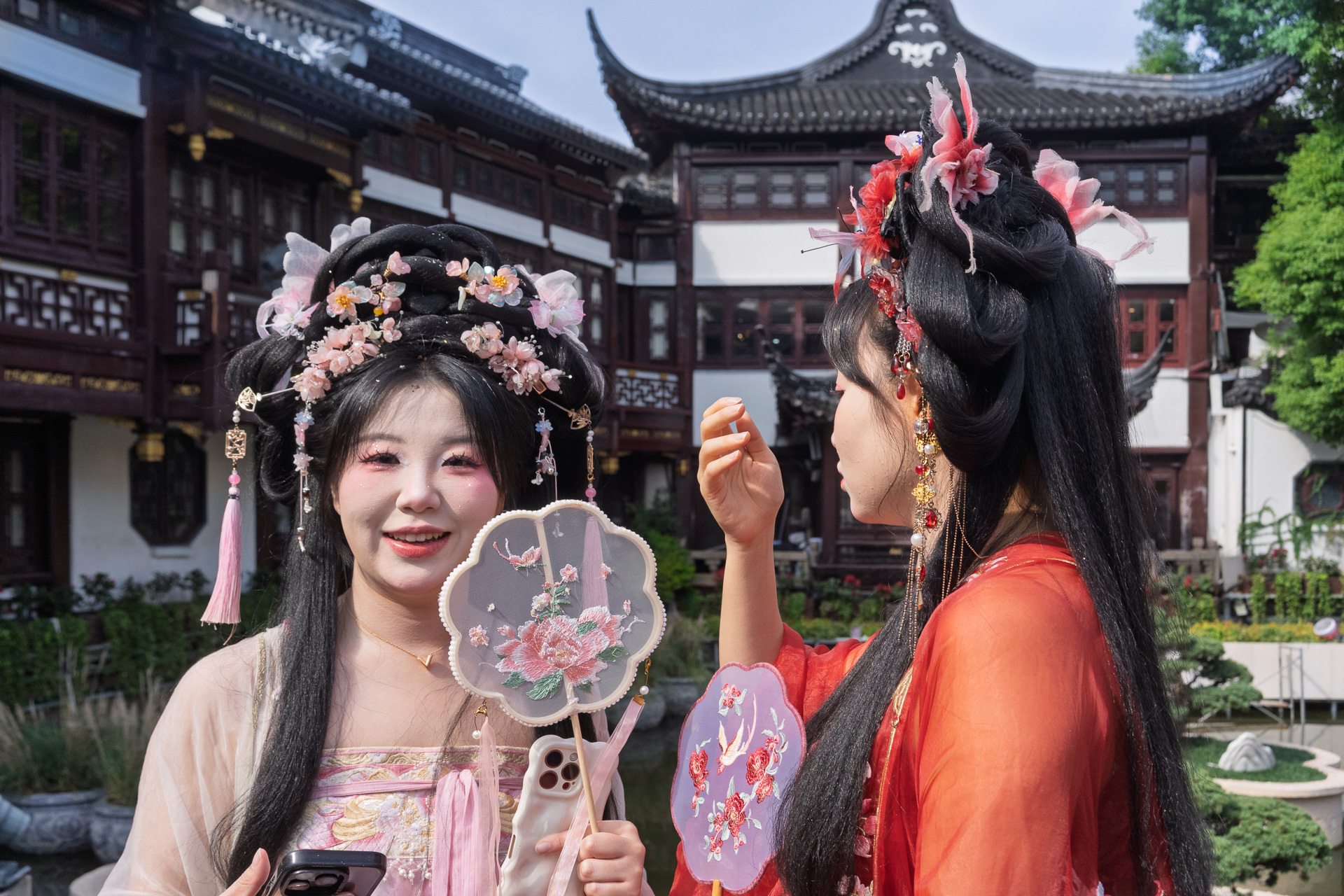
Yuyuan Gardens and Shopping District – Shanghai
It’s incredible how many people there were in this elegant tourist attraction and vibrant shopping district. Over 400 years ago, a Chinese official built this luxurious sanctuary as a peaceful place for his parents. Although it’s difficult to obtain that peaceful feeling nowadays, it’s worth the effort. We squeezed our way through and captured fun pictures of the girls in Hanfu. They were off to the sides, enjoying the attention.
Travel Notes
During our month in China and Tibet, we saw many extraordinary sites, each worthy of its own story. Extraordinary theater productions chronicled epic historical events, such as the rise of Empress Wu. These and other shows provided authentic examples of men’s and women’s fashions throughout the ages.
Performers presented an extraordinary song-and-dance drama, ‘Empress of the Great Tang’, at China’s Premier Cultural Entertainment Restaurant. The event portrayed the life story of the legendary Tang Dynasty Empress Wu Zetian. Wu ruled as the Empress Regent from 690 to 705 CE. Both she and Empress Dowager Cixi exemplify that concubines can rise to power. Wu ruled approximately 1,156 to 1,170 years before Cixi. Both stand out as the most powerful women in the history of imperial China. The key difference between them is that Cixi ruled through others, while Wu served as the official Empress.
According to our guide, Empress Wu inspires many of the girls in Hanfu.
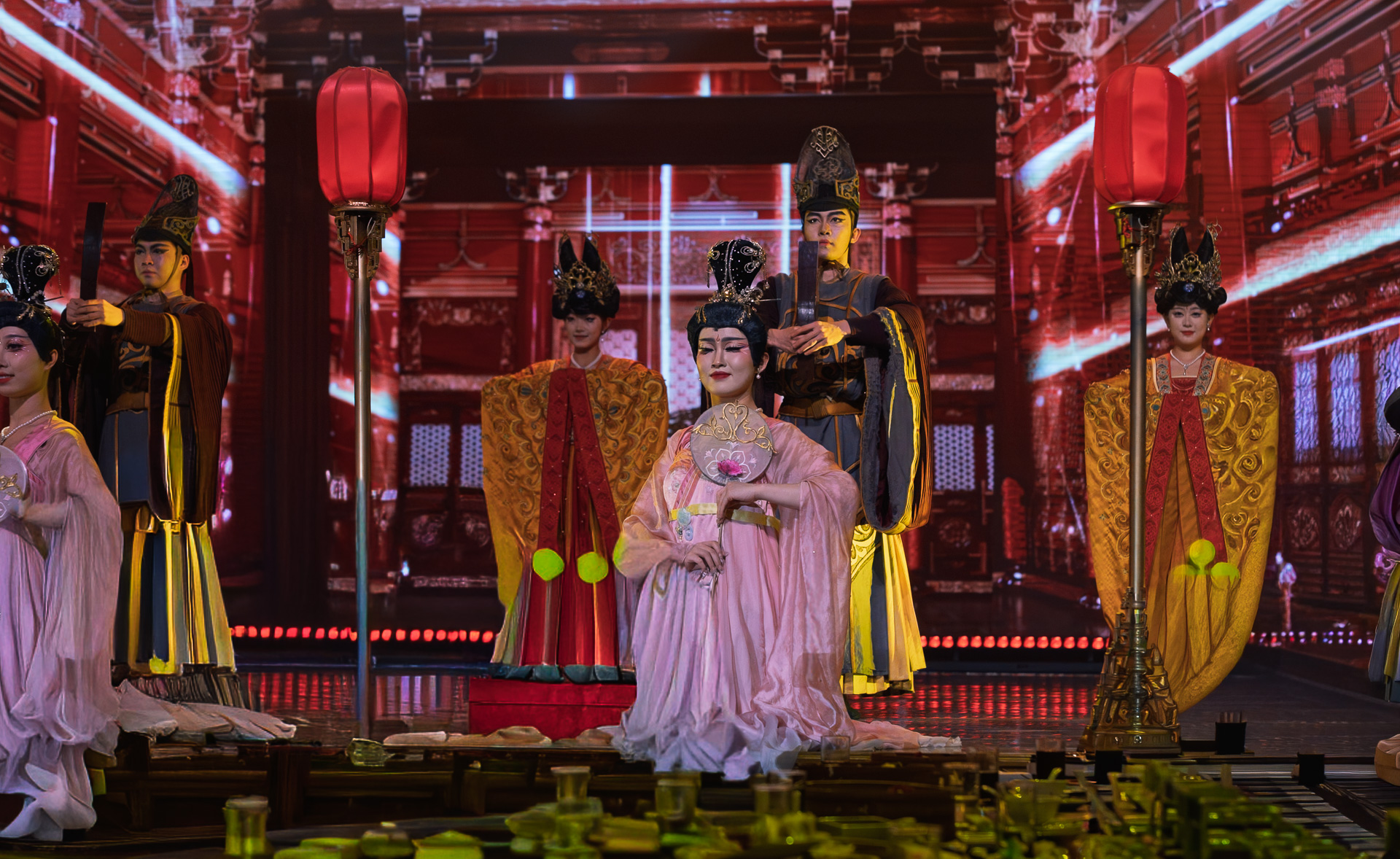
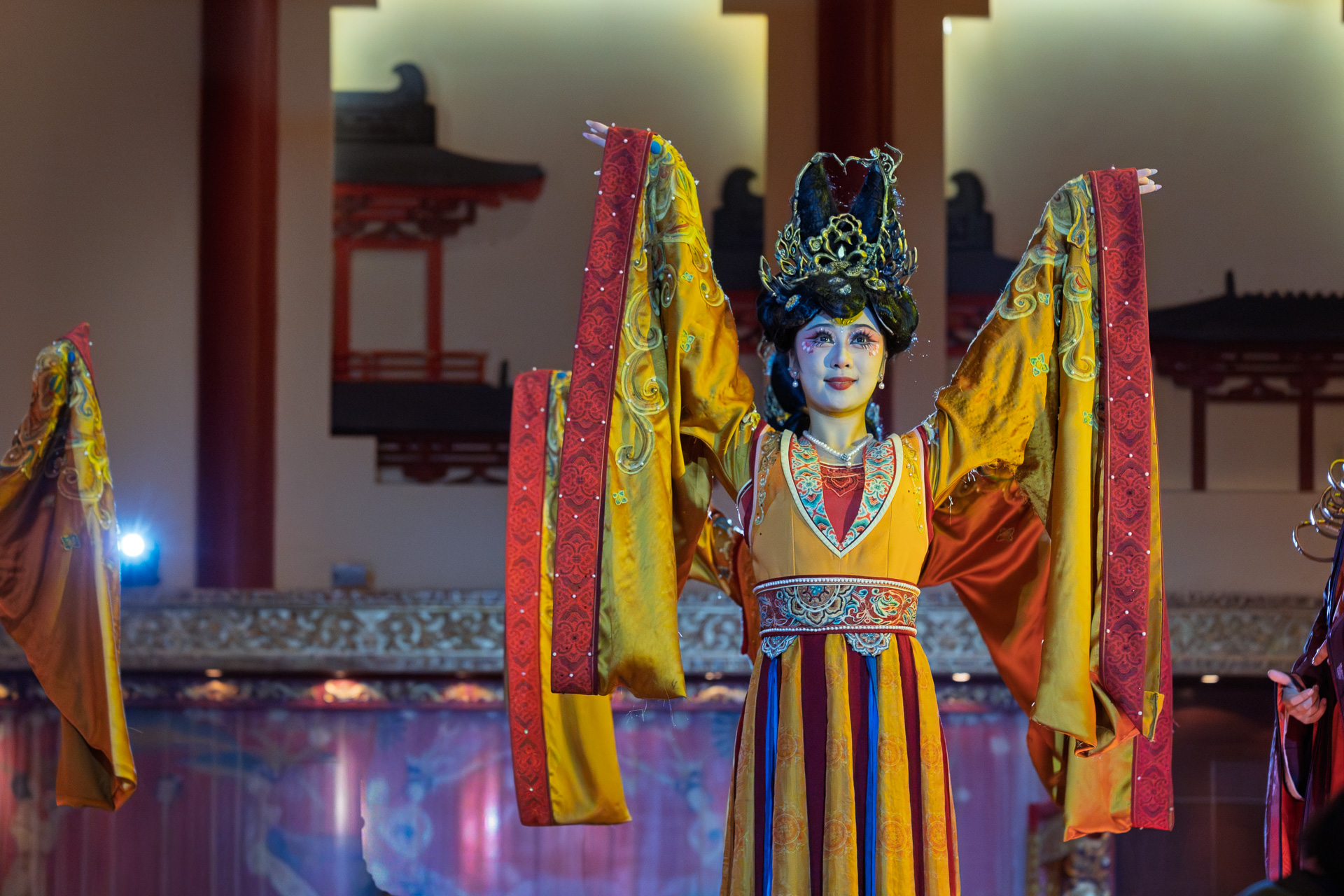
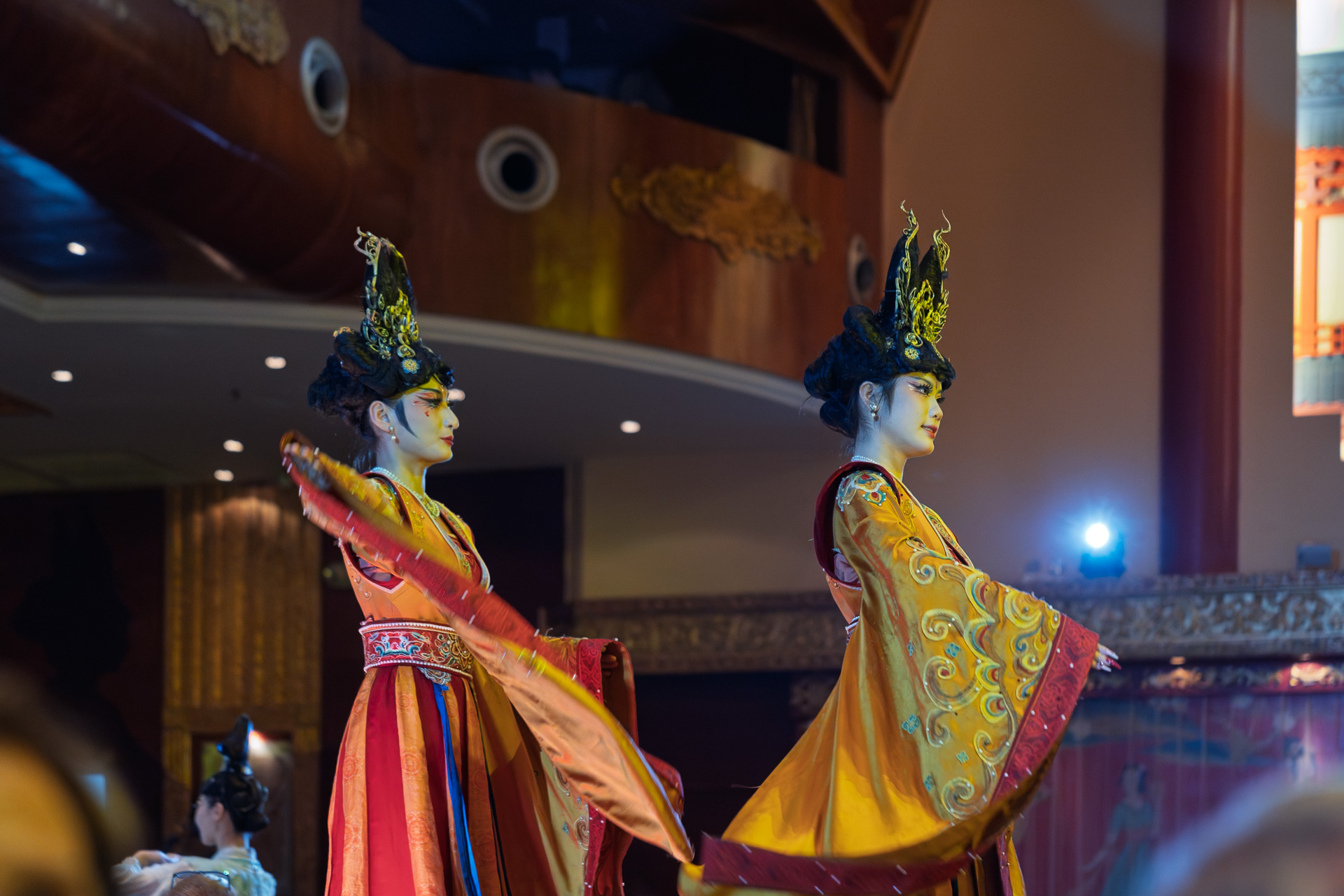
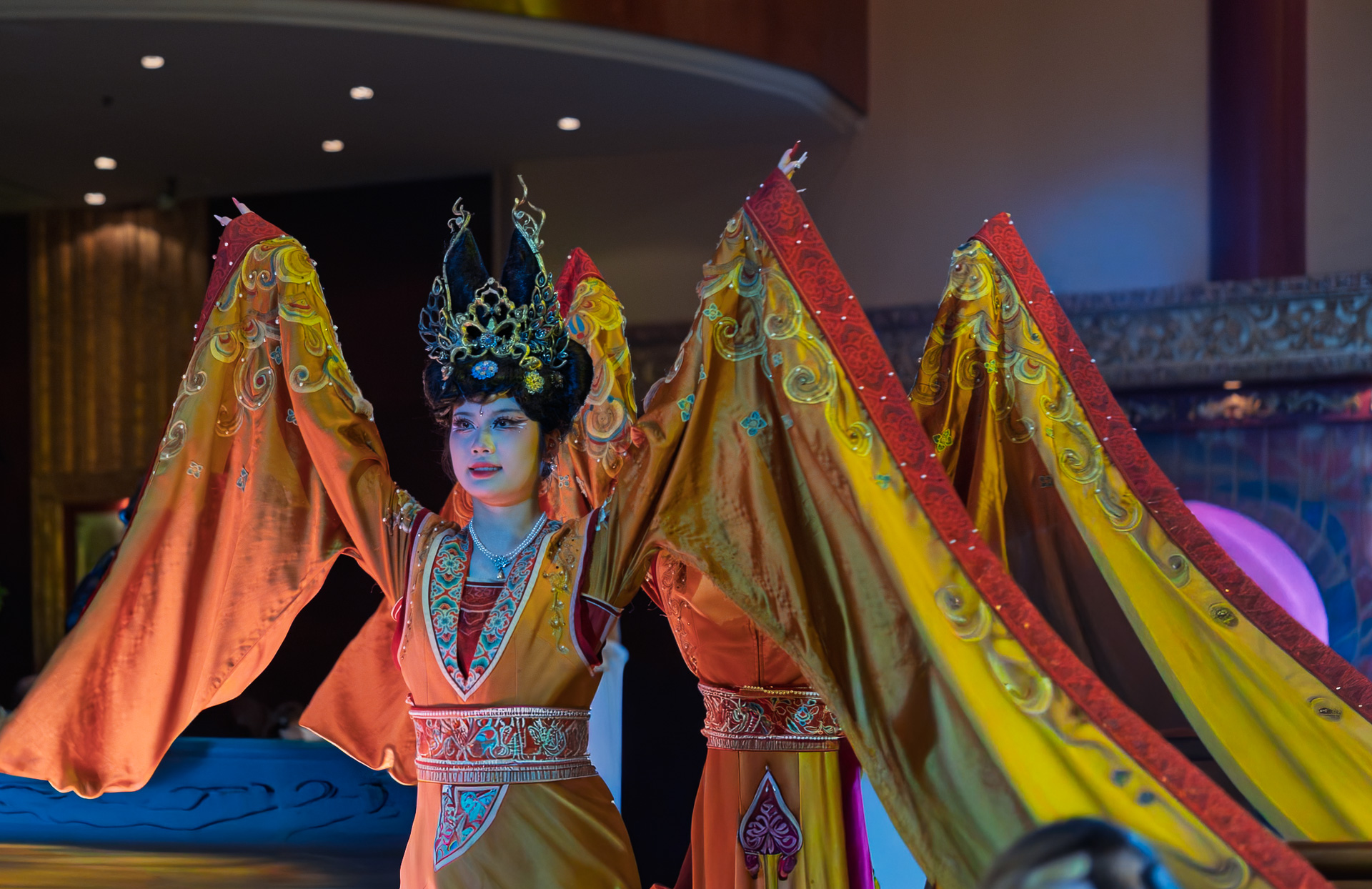
Our guide in Xi’an noted that girls wearing Hanfu often favor the clothing styles from the time of Empress Wu. She is the only woman among the 557 emperors of China.
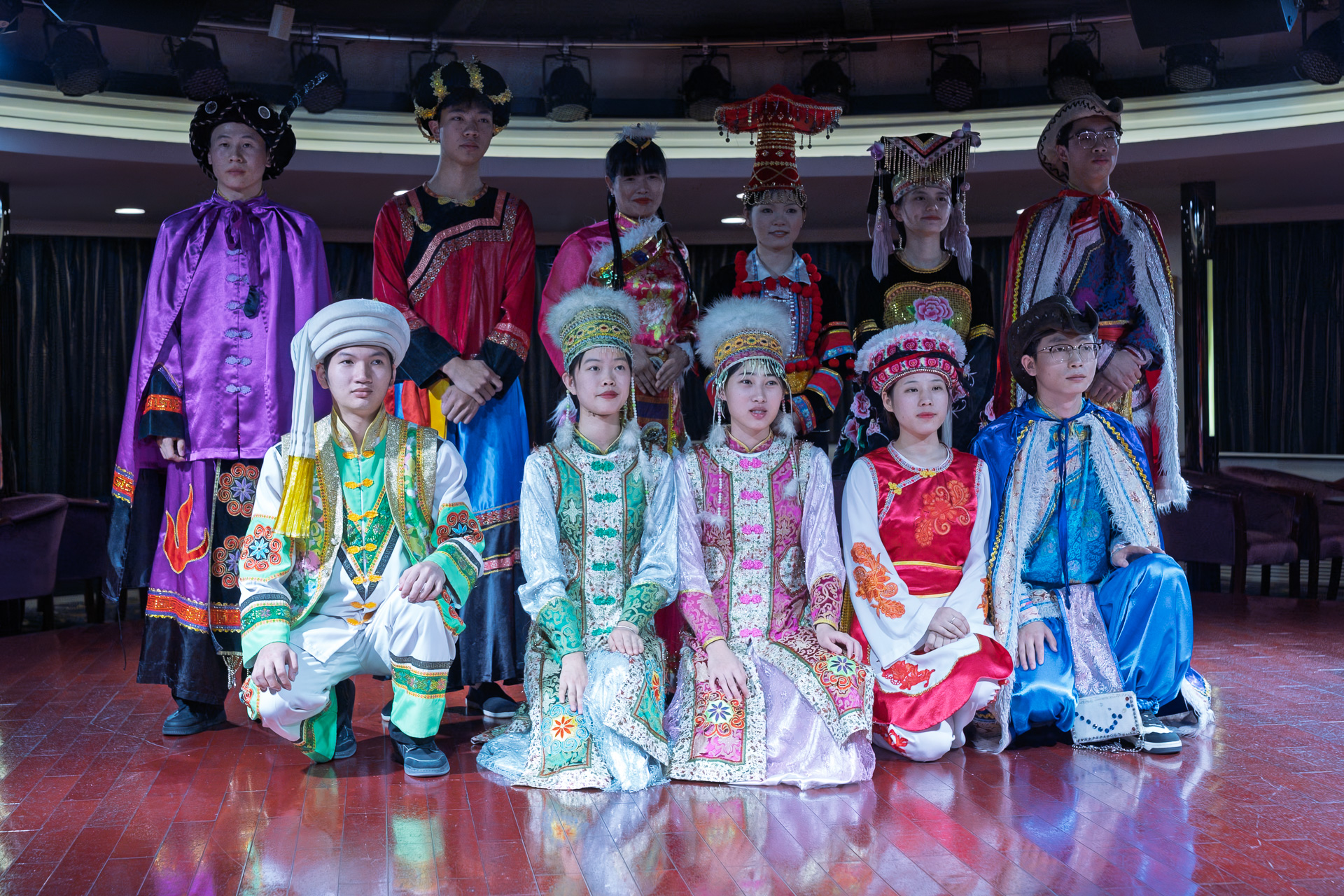
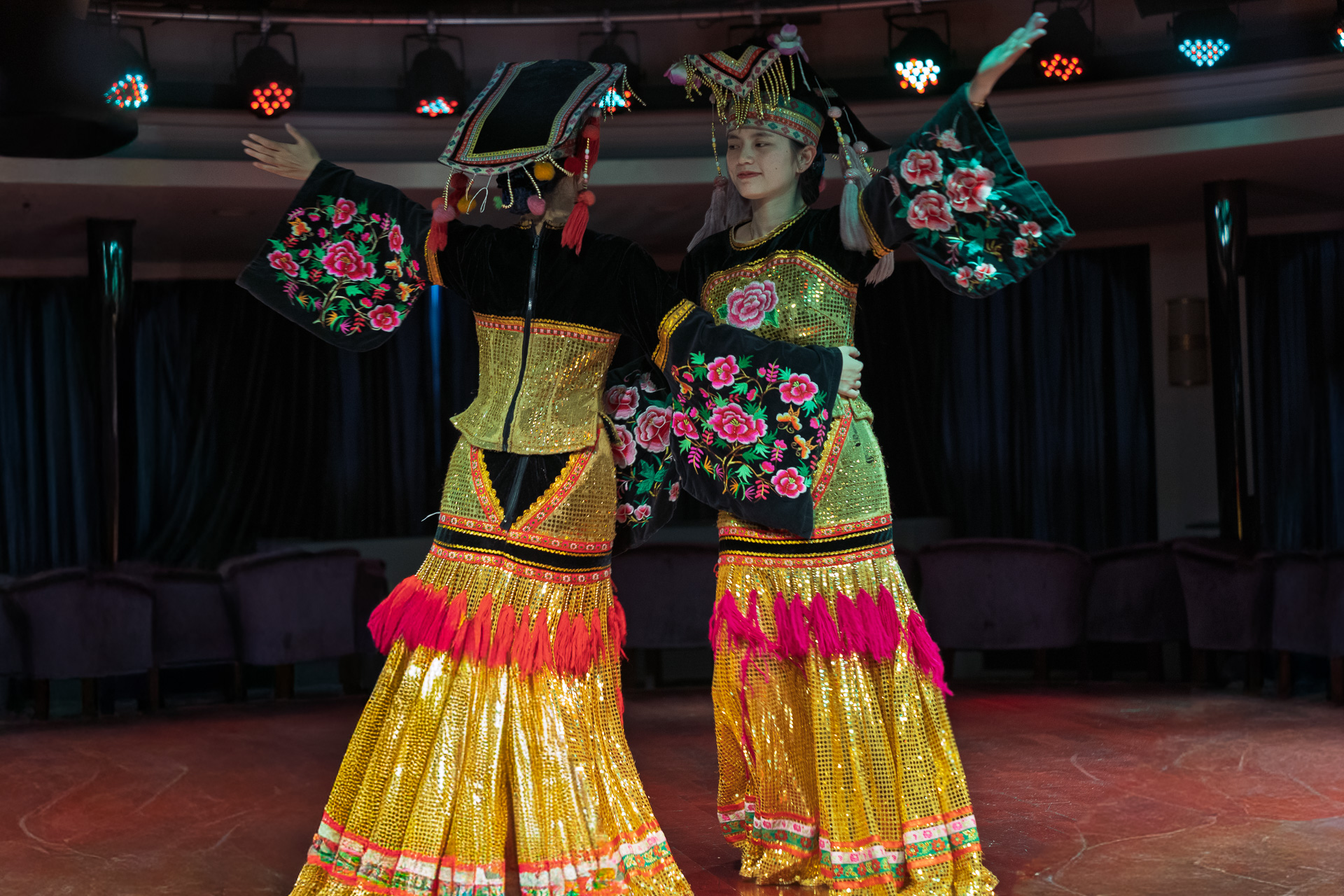
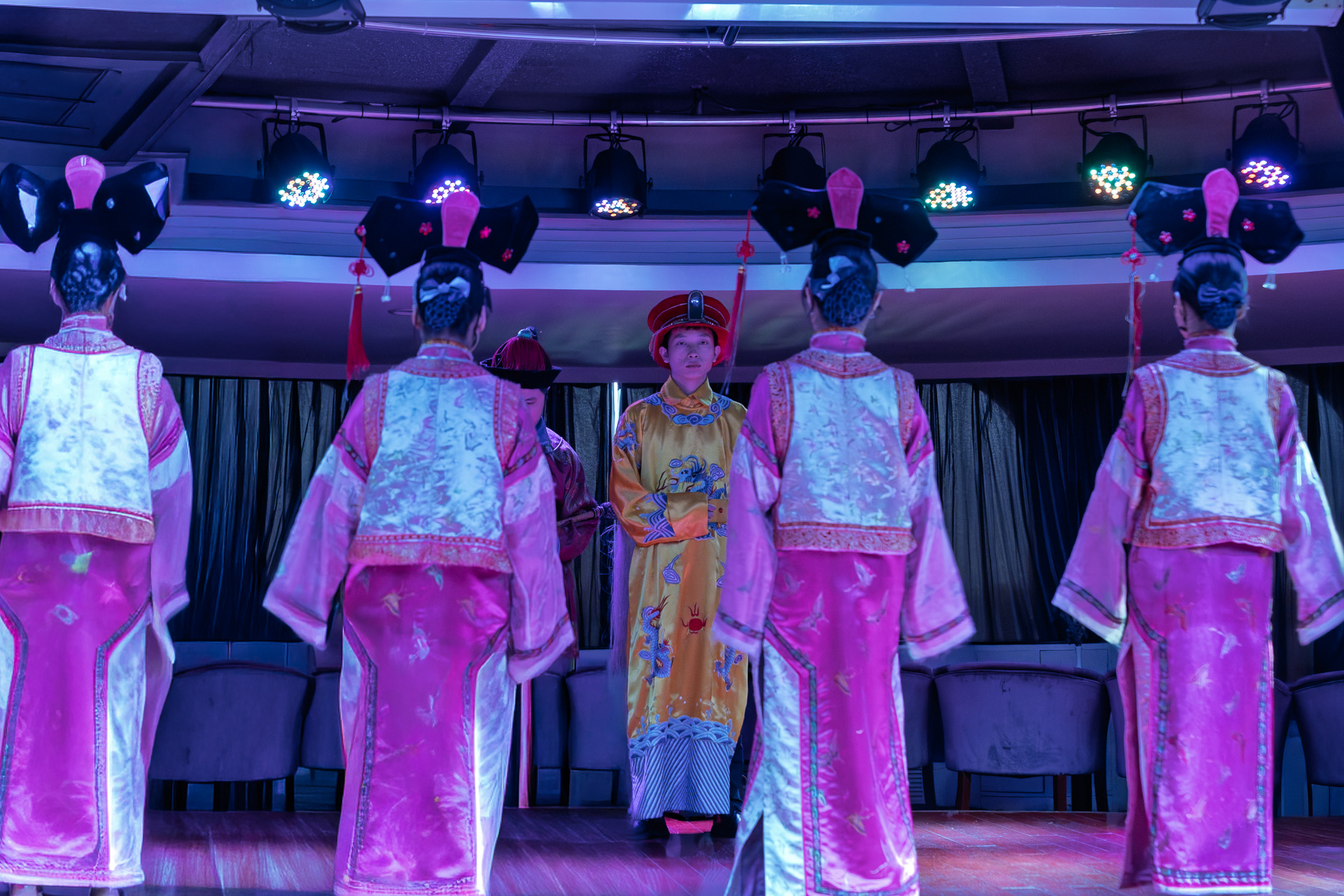
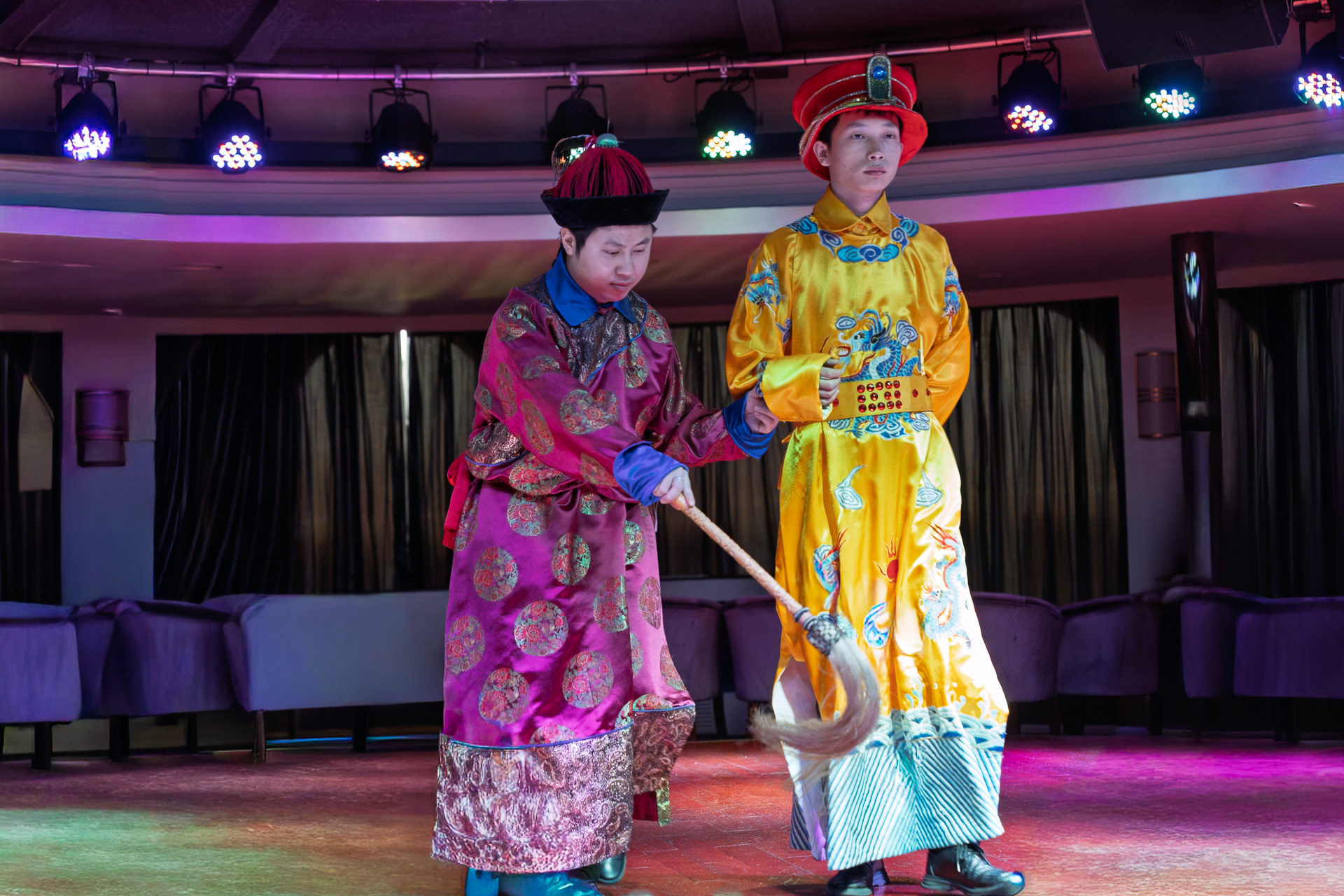
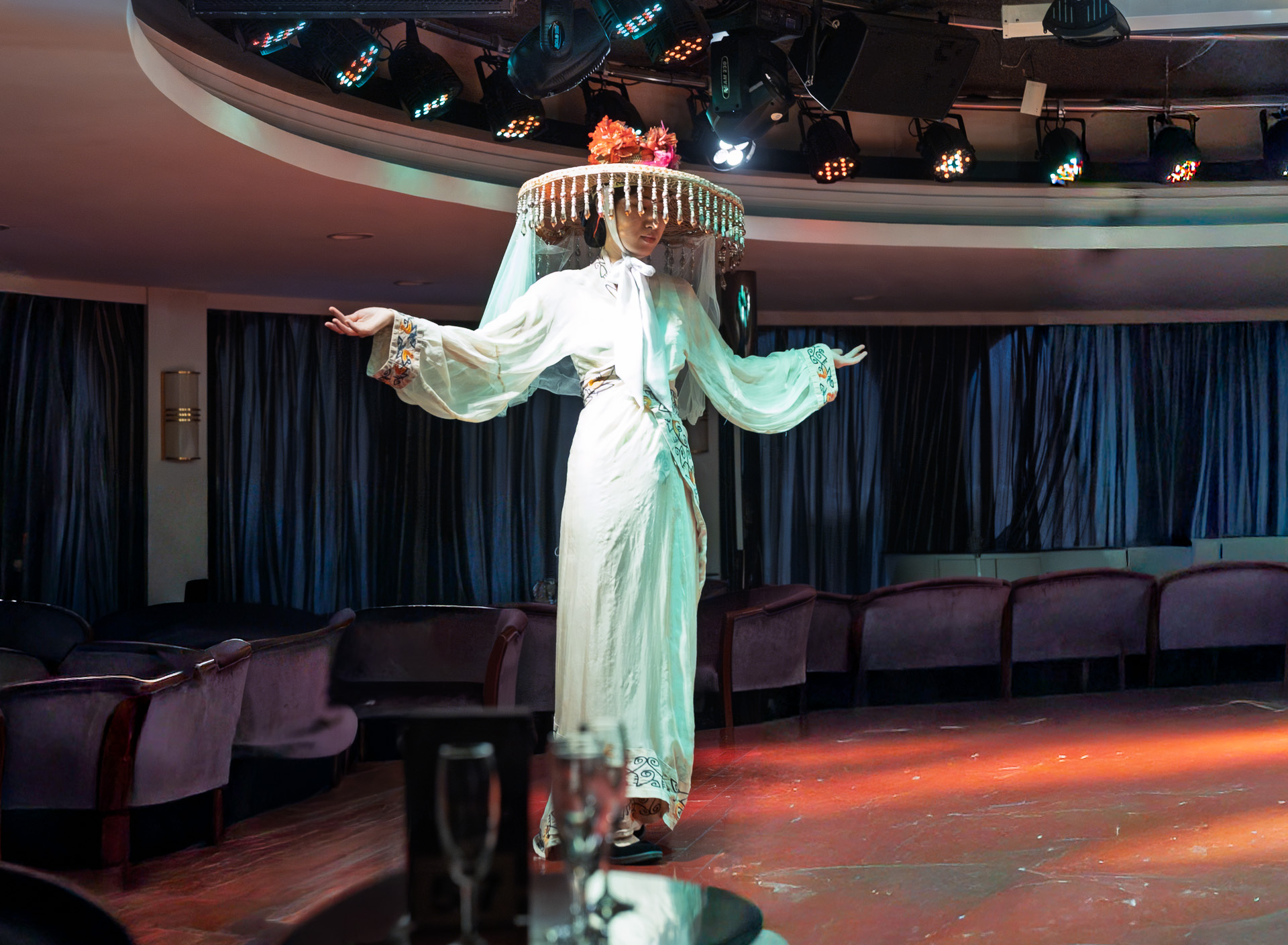
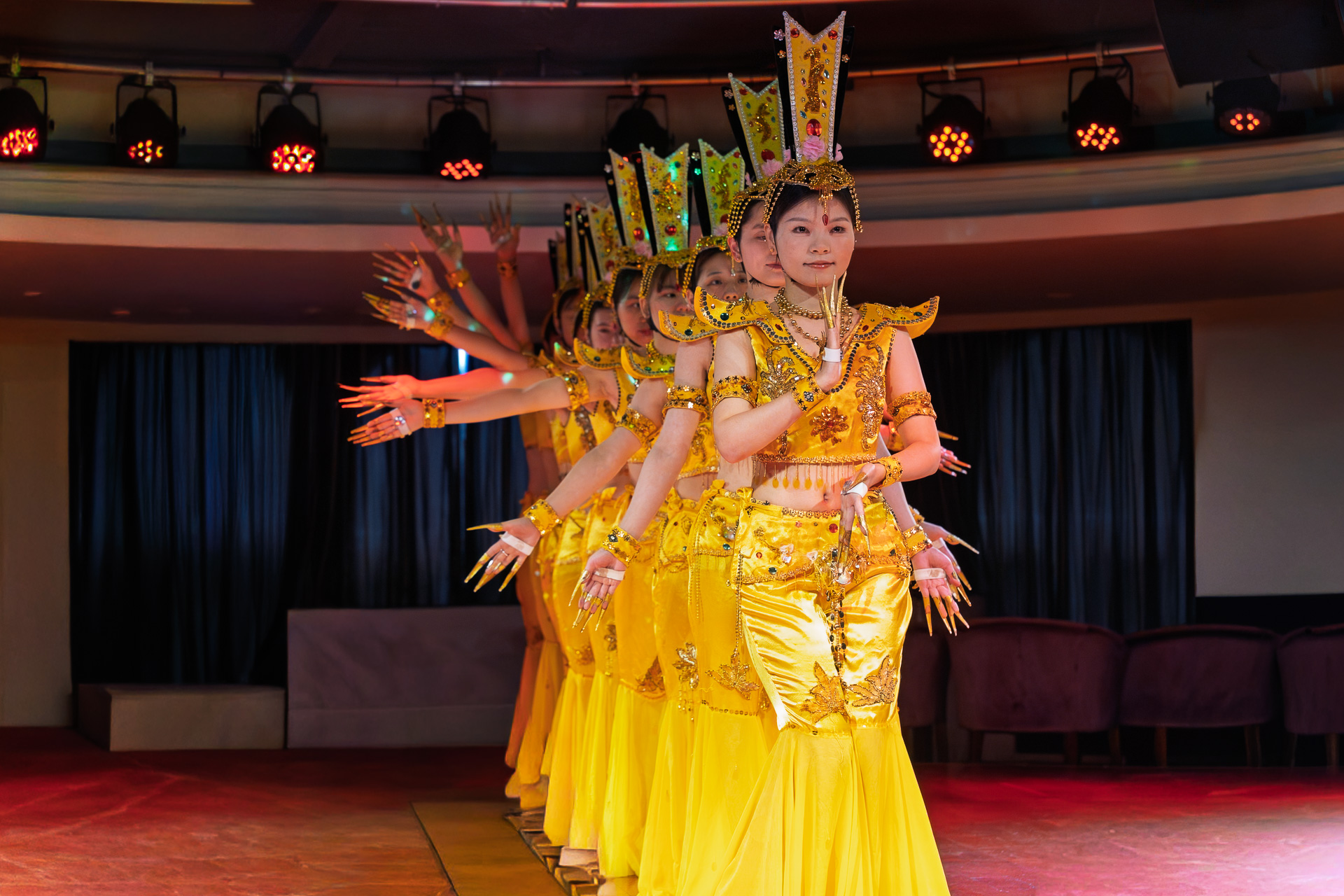
The cast of Victoria Anna provided a splendid walk-through of the history of Chinese clothing.
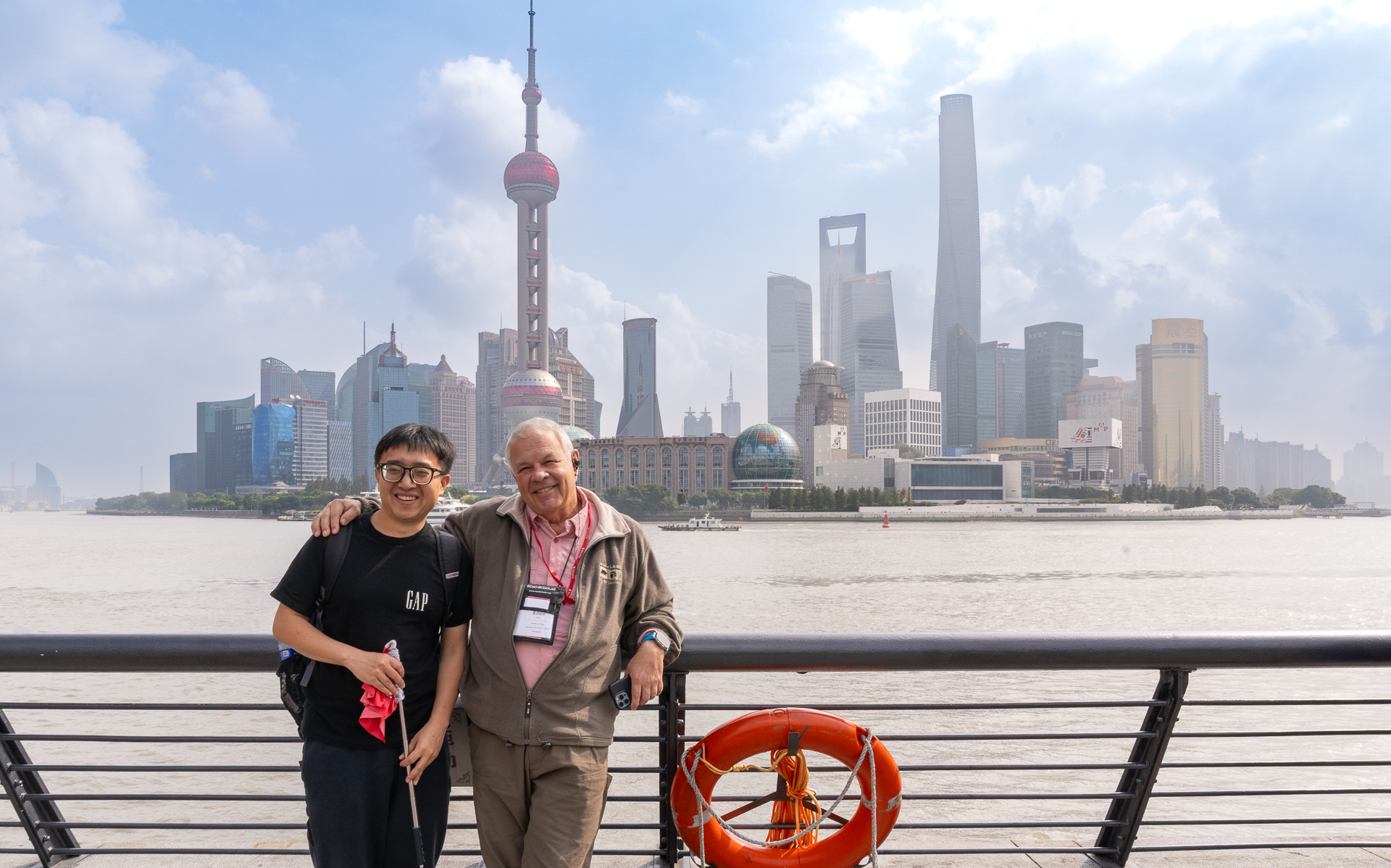
Eddie and I have participated in both land and sea tours with Road Scholar. The guides and scholars are always exceptional! Our guide, Jingyuan Su (also known as Jerry), entertained us with his extensive knowledge of China. And his humor had us laughing out loud throughout our entire journey through China and Tibet.
China: The Novel by Edward Rutherfurd is my choice book for learning about Imperial China. It’s a historical saga you can’t put down!
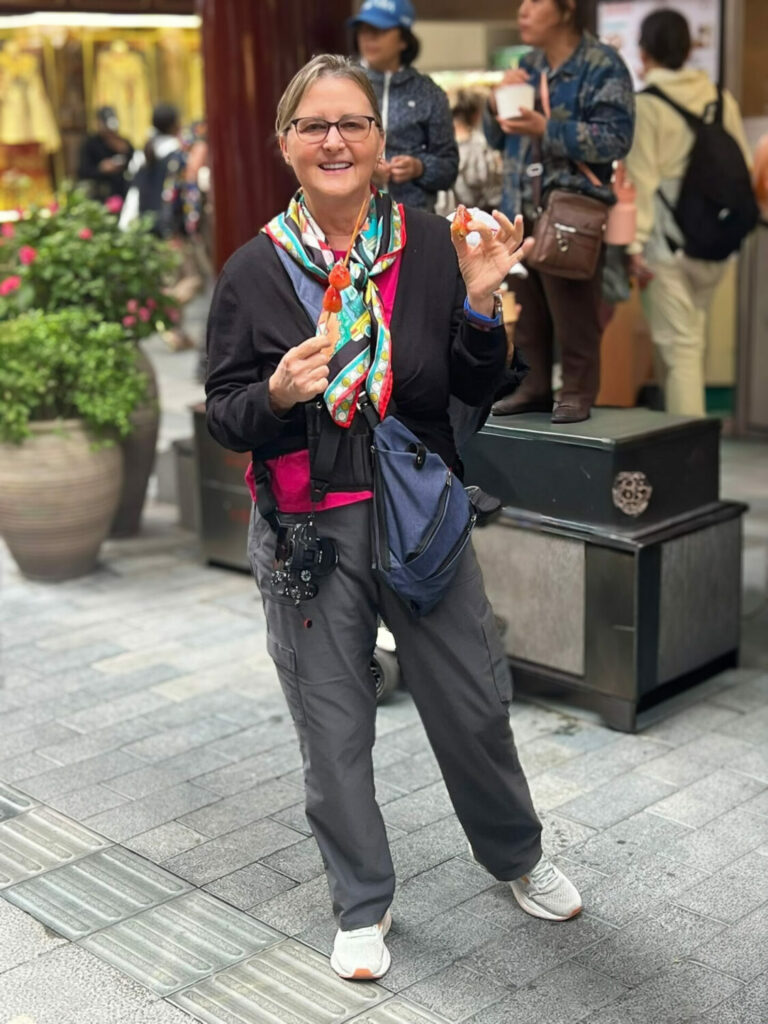
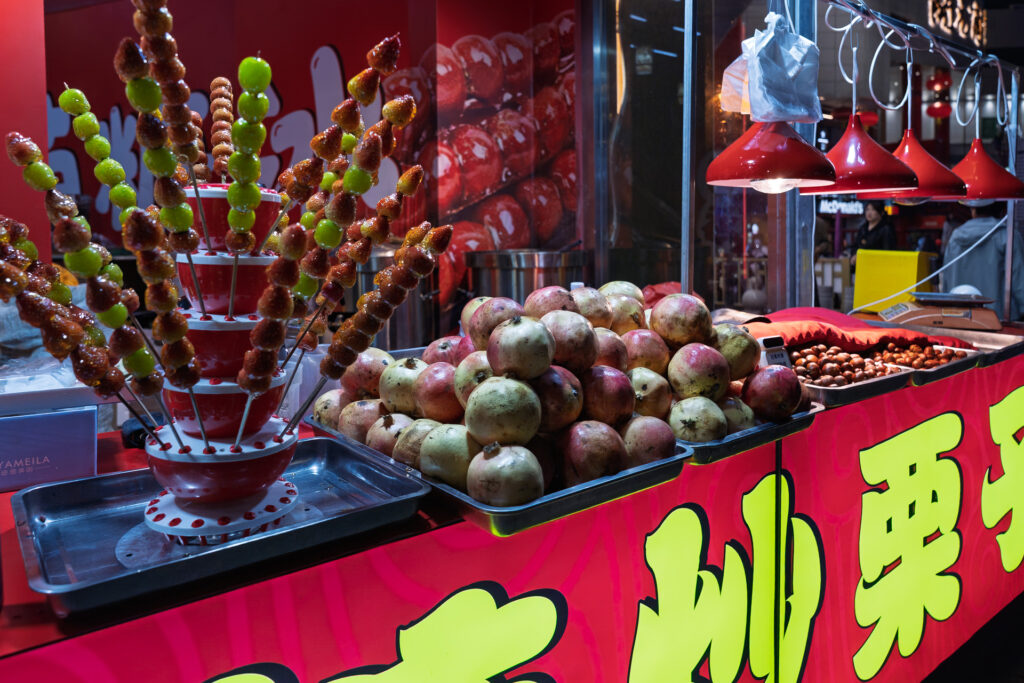
In this photo of me, I’m having tanghulu (candied fruit skewer). Tanghulu is a traditional Chinese street dessert. It pairs fresh fruit with a sweet and crunchy candy coating on a stick; delicious!
You must be logged in to post a comment.