How was your trip to Antarctica?
The blessings of Antarctica are many, but this seemingly straightforward question is one of a long list of unanswerables. It is similar to “What is it like to be a parent?” or “What does it mean to have faith in God?” The landscape is too vast, and human words are too weak to capture the essence of an experience like Antarctica. Besides, every trip to Antarctica is unique to each person. And, of course, in some sense this is true of every journey—but even more so on the southernmost continent, which is the highest, driest, coldest, and windiest place on earth. It is also immense: in summer it is roughly the size of the continental United States and Mexico combined, and in winter it expands to nearly five times that size. Most travelers, like us, only touch a few points of the Antarctic Peninsula closest to Argentina.
The heart of Antarctica is reserved for a few thousand scientists, brave birds, and penguins.
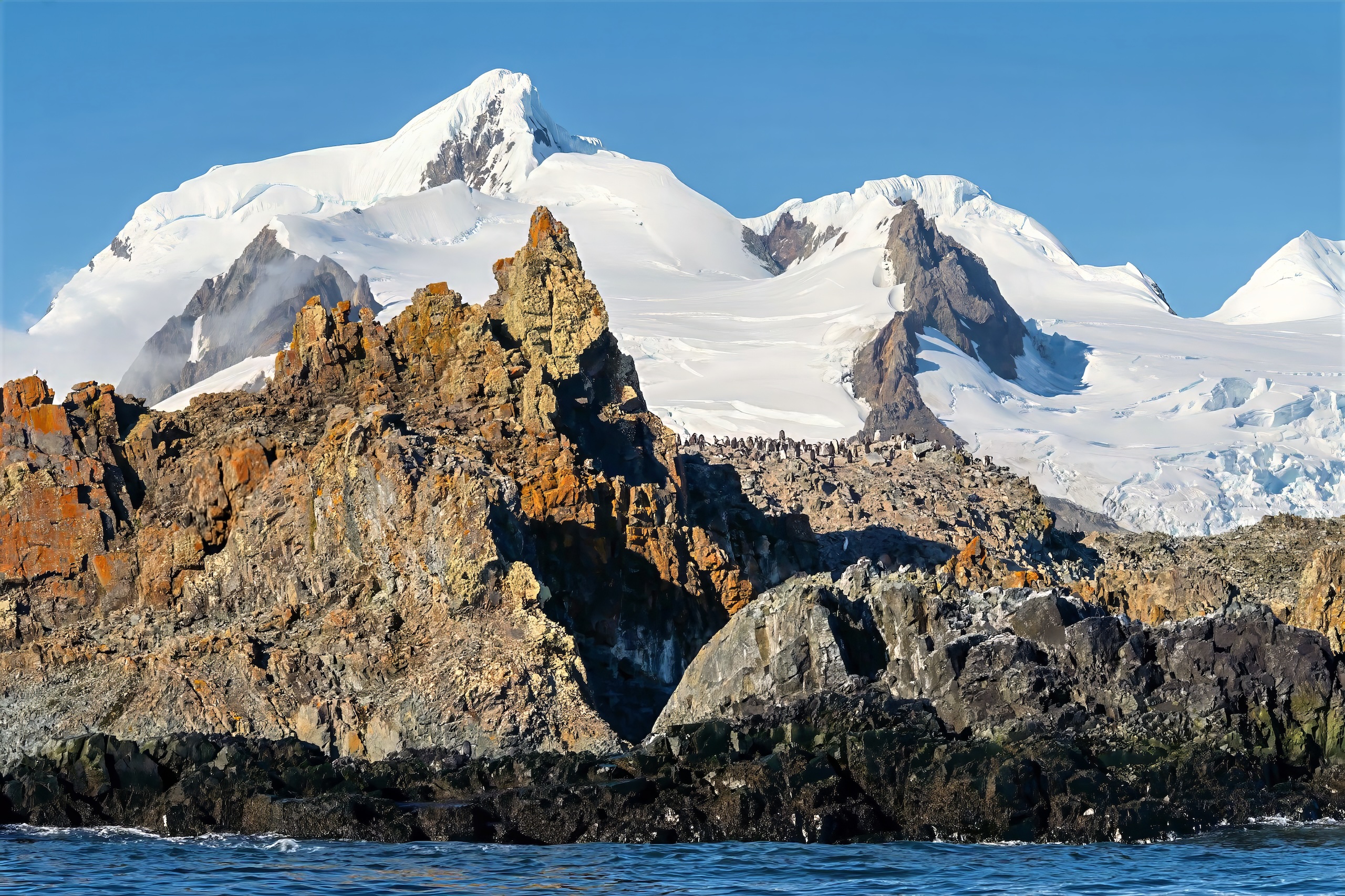
So, what was our six-day experience of touching the edge of this continent from March 3 – 8, 2026, like?
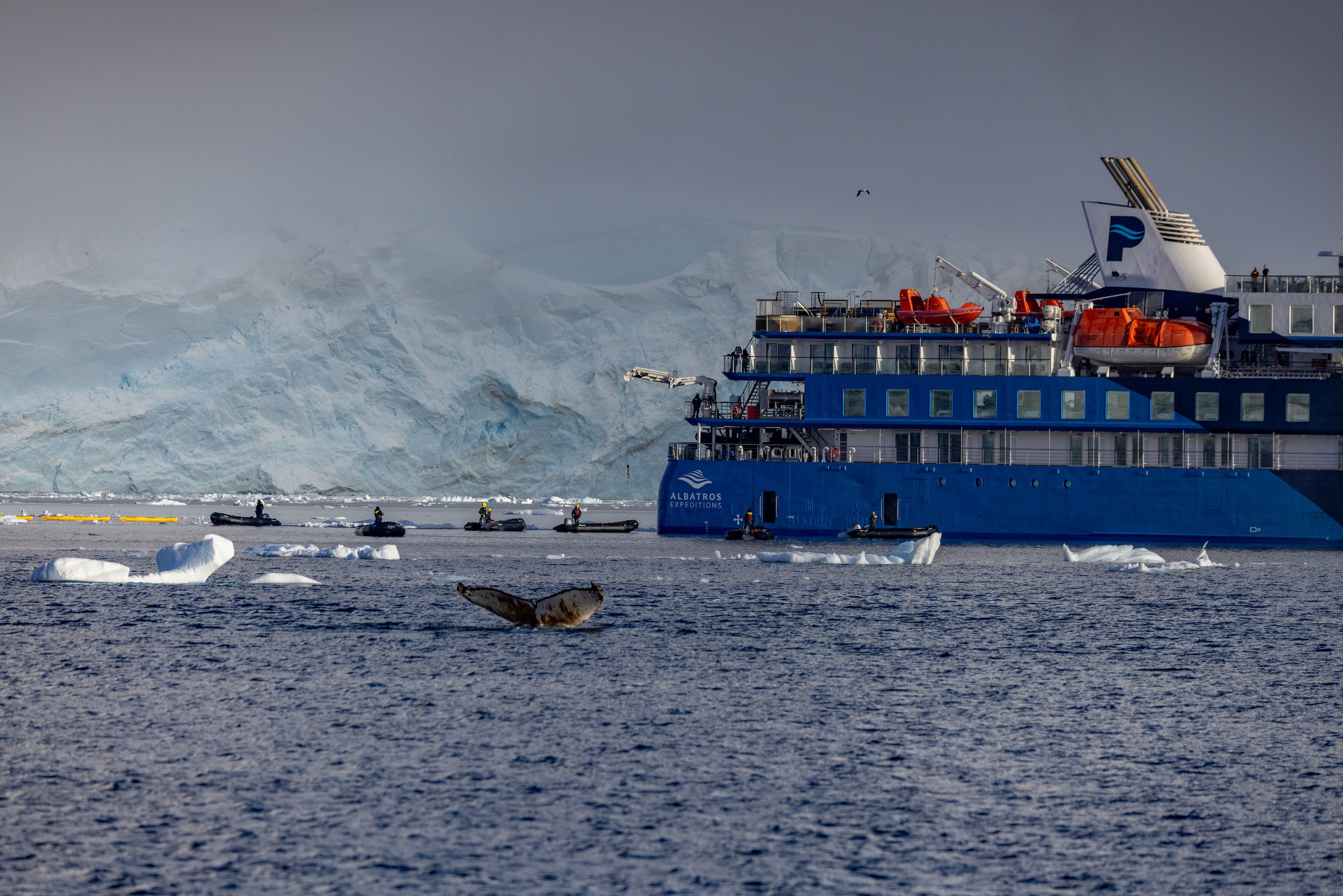
Surreal. We had wonderful weather the entire time, which is exceedingly rare. We had the “Drake Lake” in both directions, and we never missed a single day of excursions. This is never the norm. In Antarctic travel, interruptions are the expectation. Yet because of this extraordinary window of exceptional weather, our polar explorer ship, the Ocean Albatross, sailed farther south than it had ever been, reaching locations that many members of our seasoned expedition team had never seen.
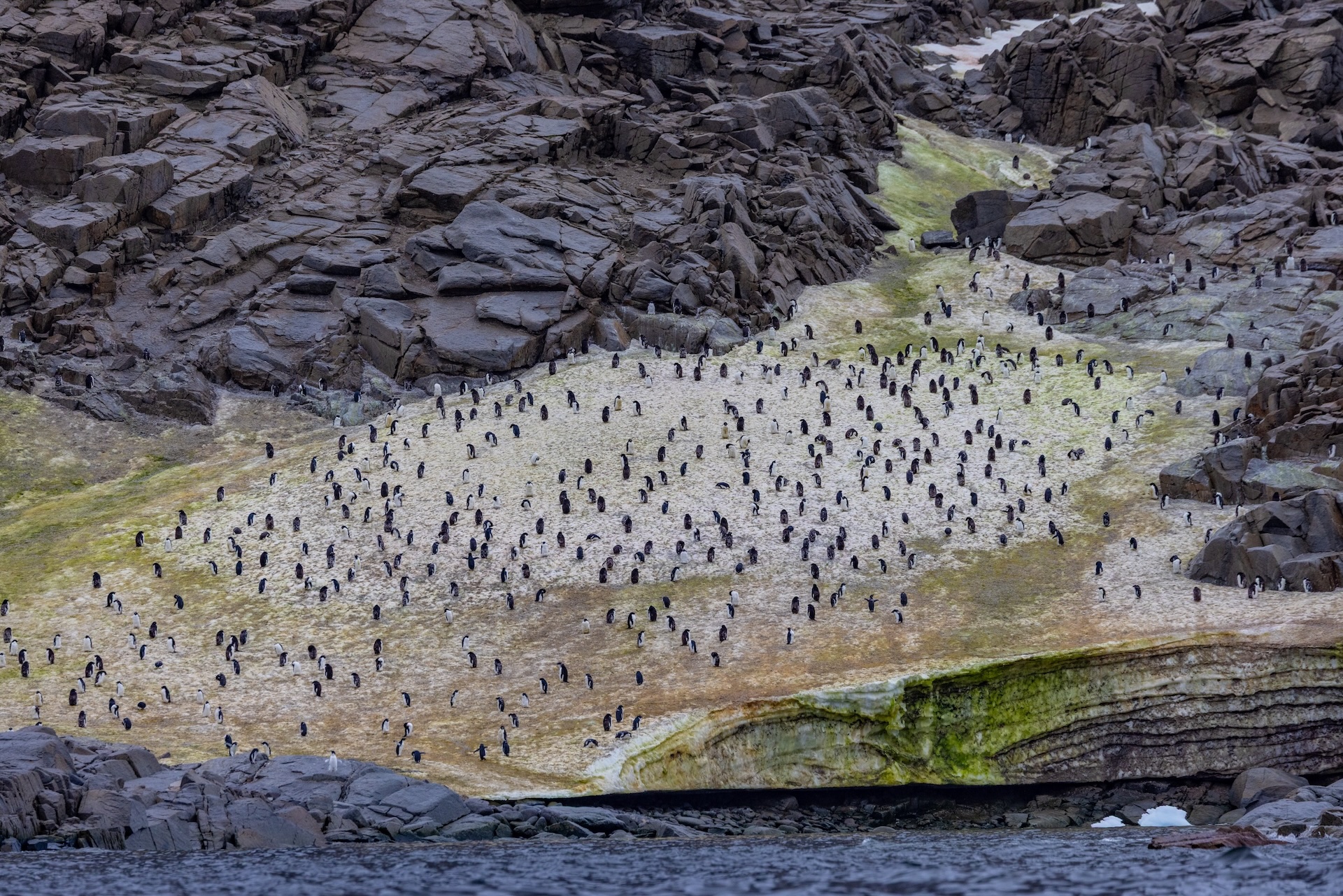
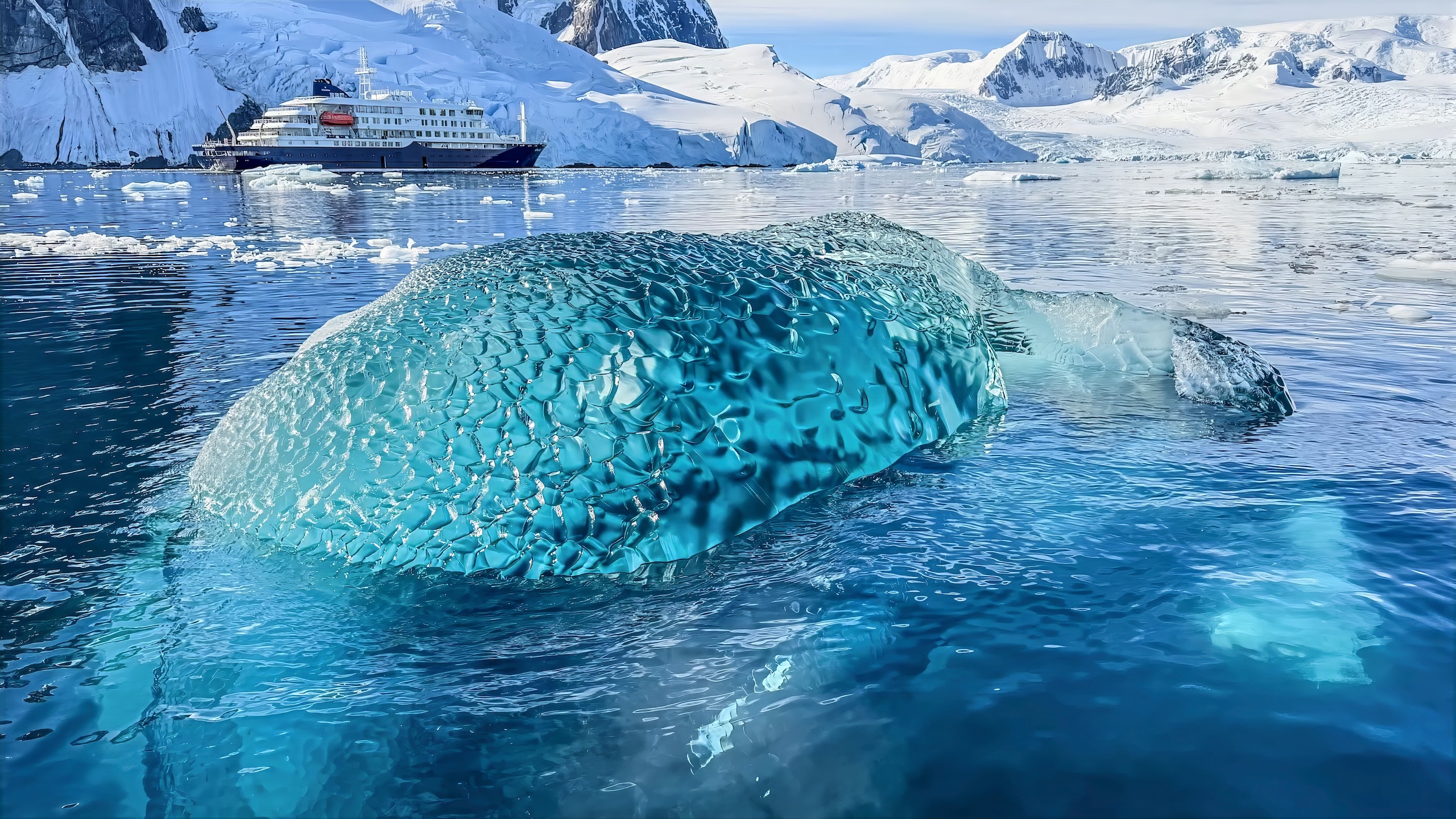
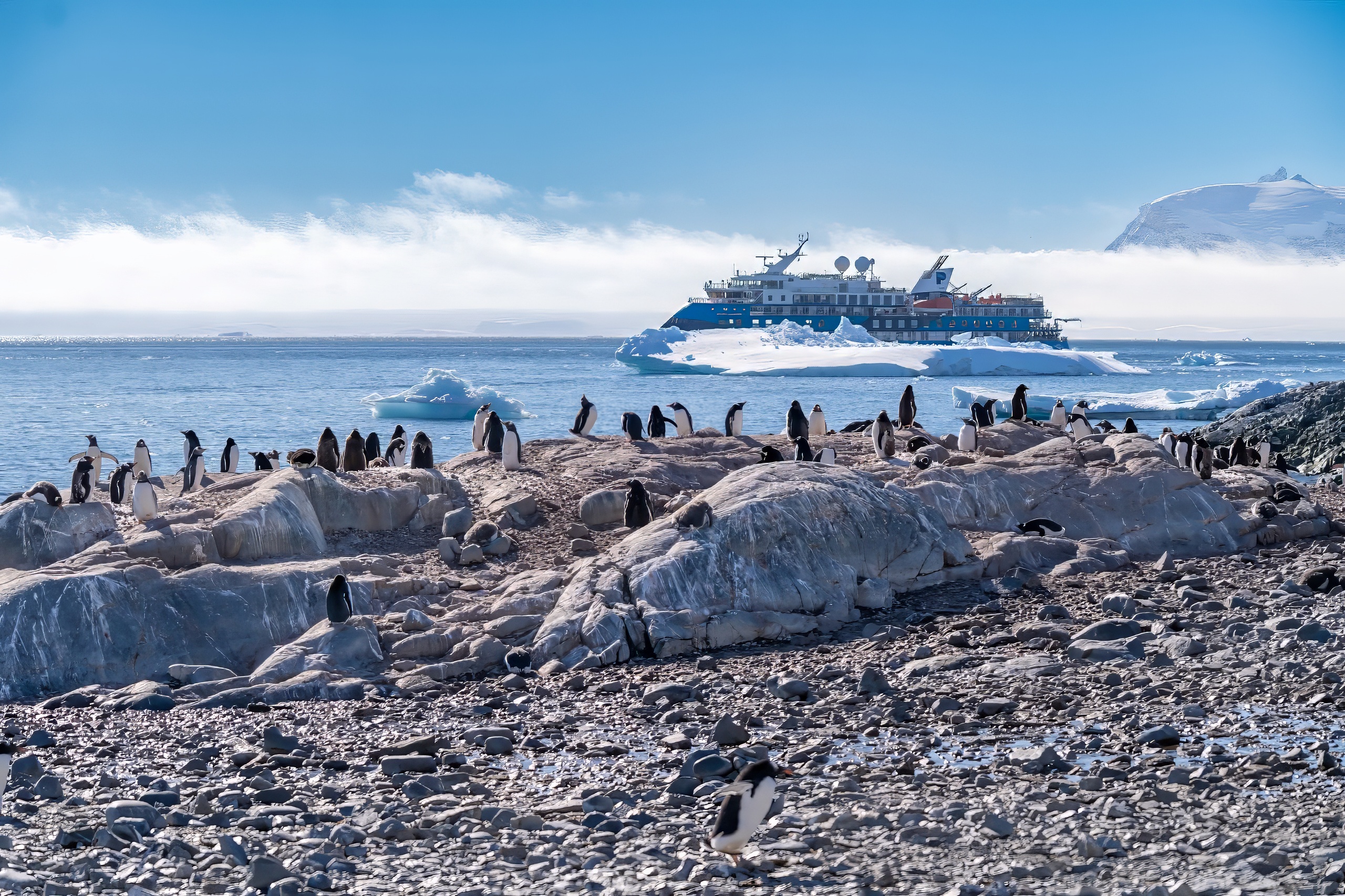
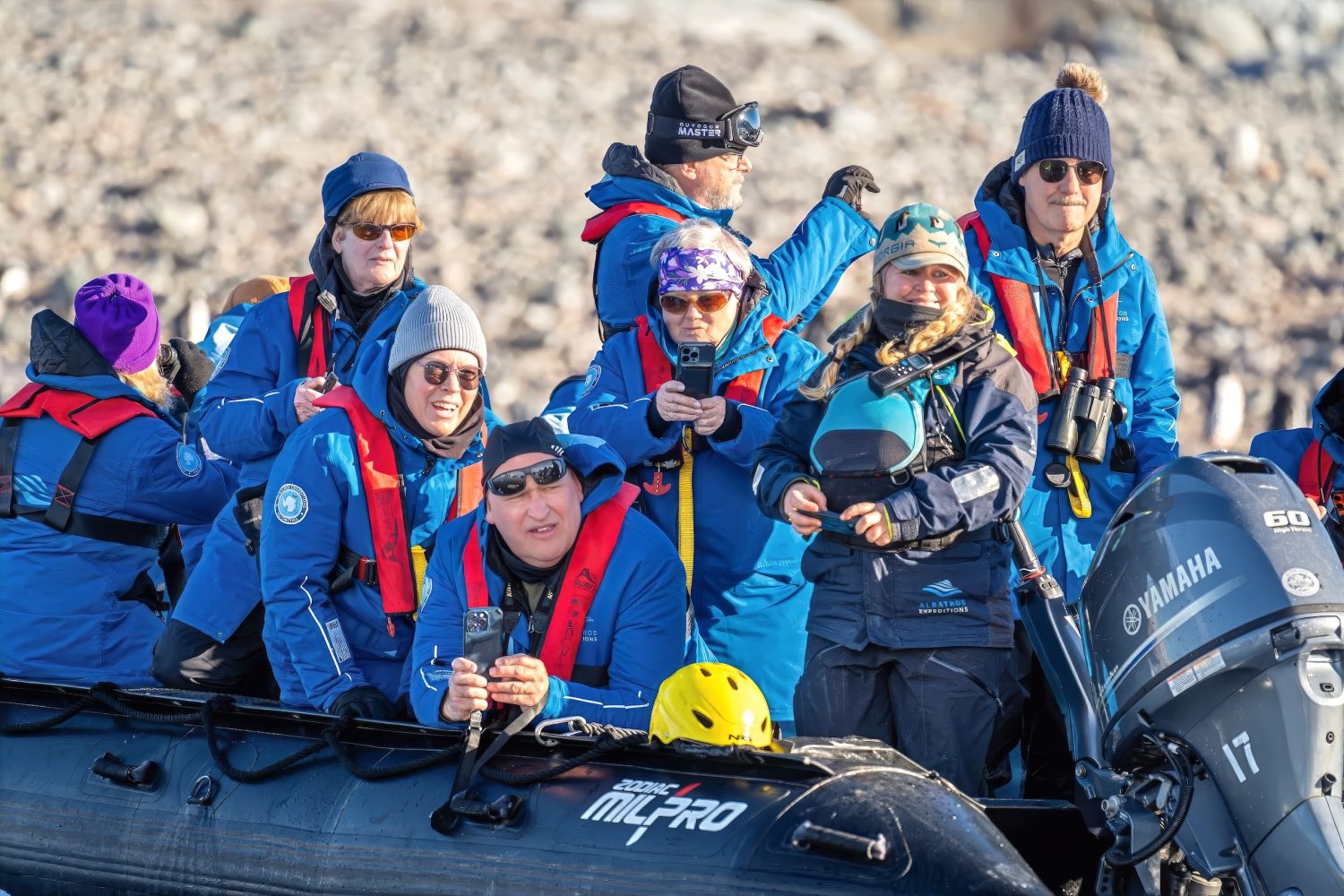
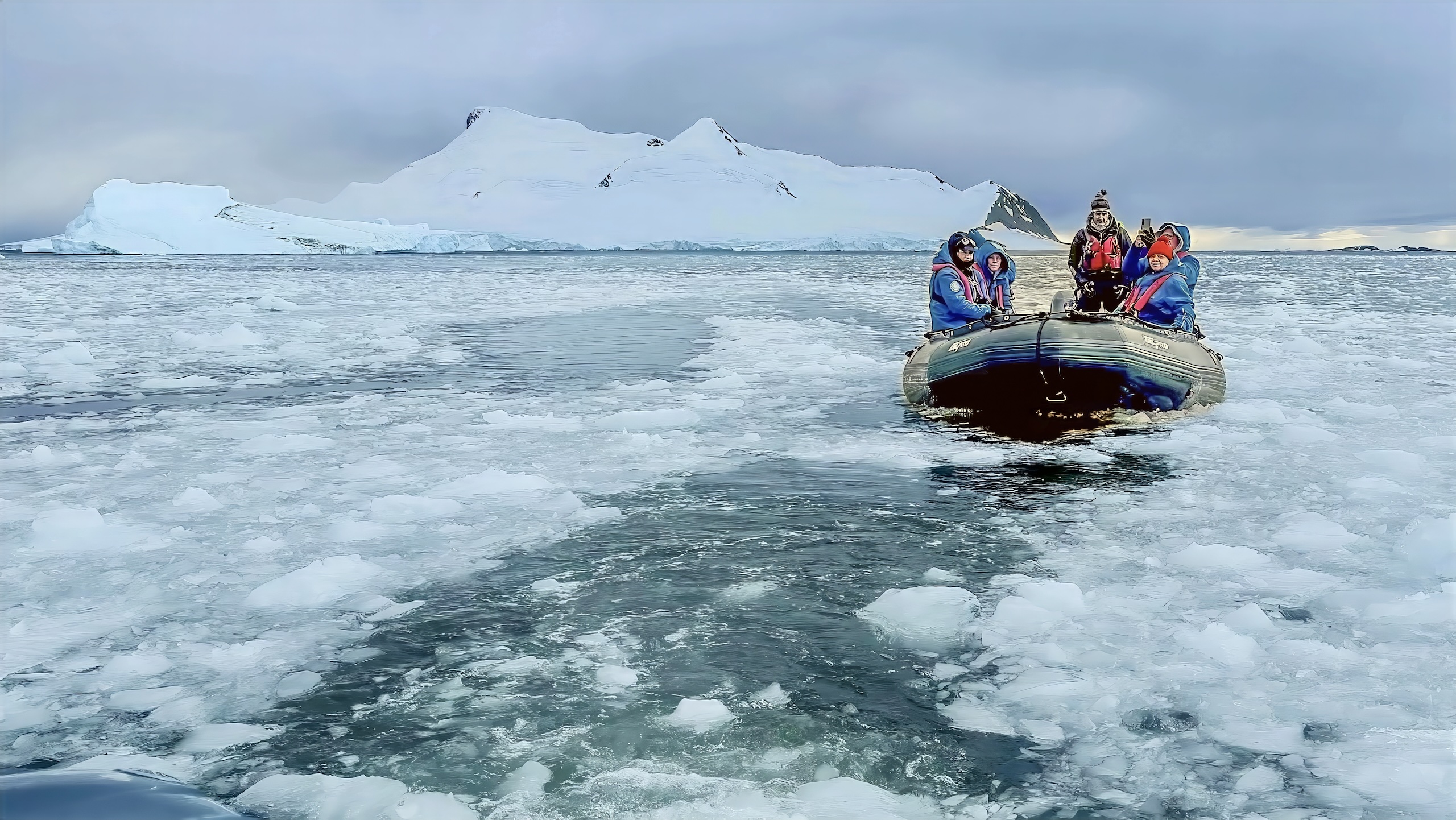
Every day, we saw icebergs the size of churches, some the size of cathedrals, with 90% of each berg hidden underwater. The sheer ice shelves were so tall as to defy estimation by any untrained human eye—certainly two or three times taller than our eight-deck ship. The horizon was endless. Even the biological life was staggering. For example, we rode Zodiacs to a small island with 60,000 Gentoo penguins, standing and molting as far up the hillsides as the eye could see, even with binoculars.
How did Antarctica make you feel?
Small. Fragile. Alive. Grateful. We saw a lot of bones on the beaches—whale bones, bird bones, human graves. Antarctica is the only continent upon which no indigenous humans ever ventured, and for good reason. One needs a self-sustaining life bubble, like an explorer ship, to survive there, and then only in the summer months. The shells of scientific stations and the wrecks of whaling slaughterhouses dot some beaches, waiting to be ruined and reclaimed by the winds. Yet that same biting wind and sea spray in your face remind you that, in this moment, you are alive and able to stand. Like the countless creatures before you, you have a brief time on the sand, under the sun, in community with others—to laugh and cry and marvel. It is good.
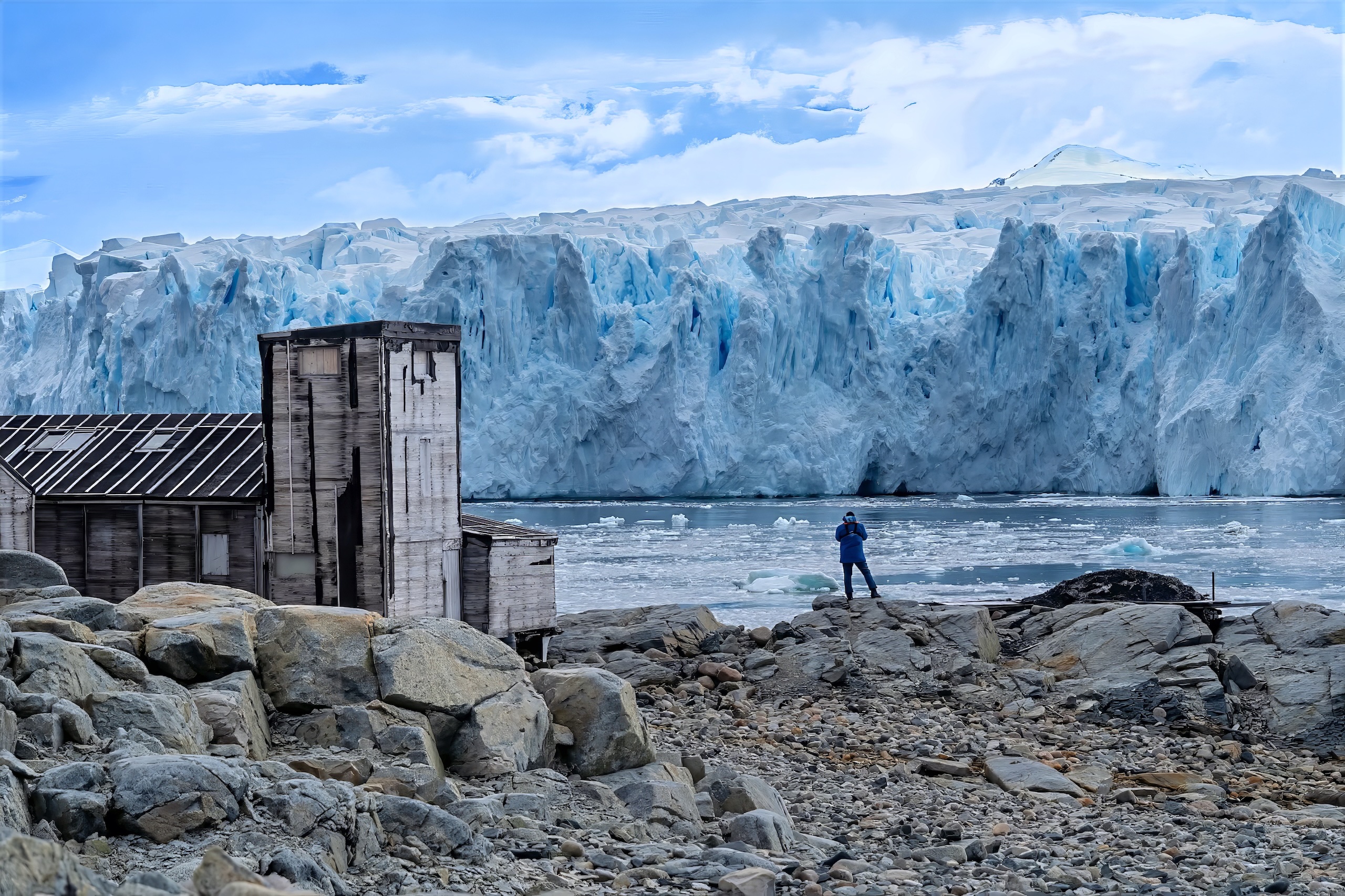
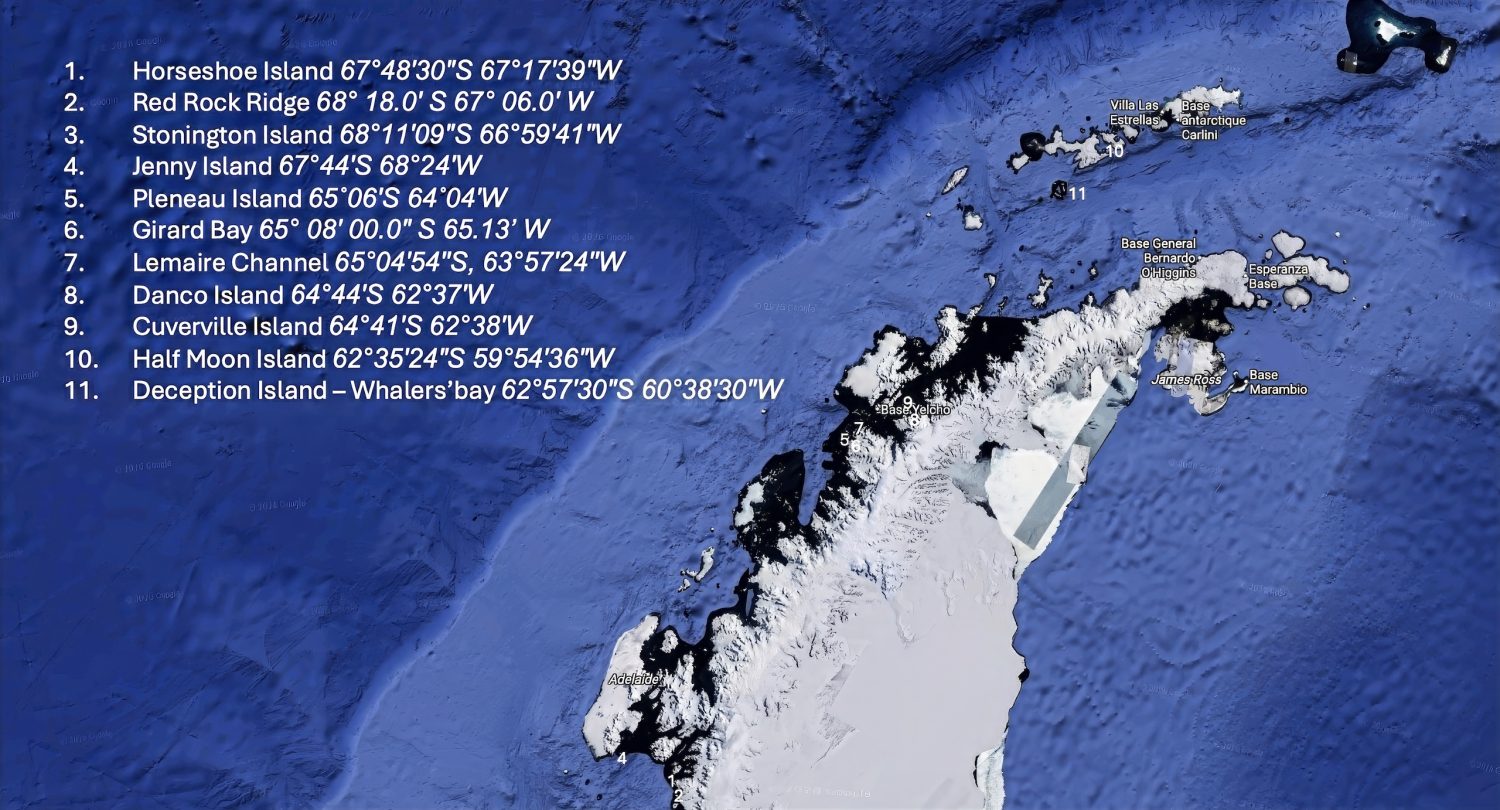
Stonington Island Historic research stations, American East Base, and the British Base E. – Marie Goff 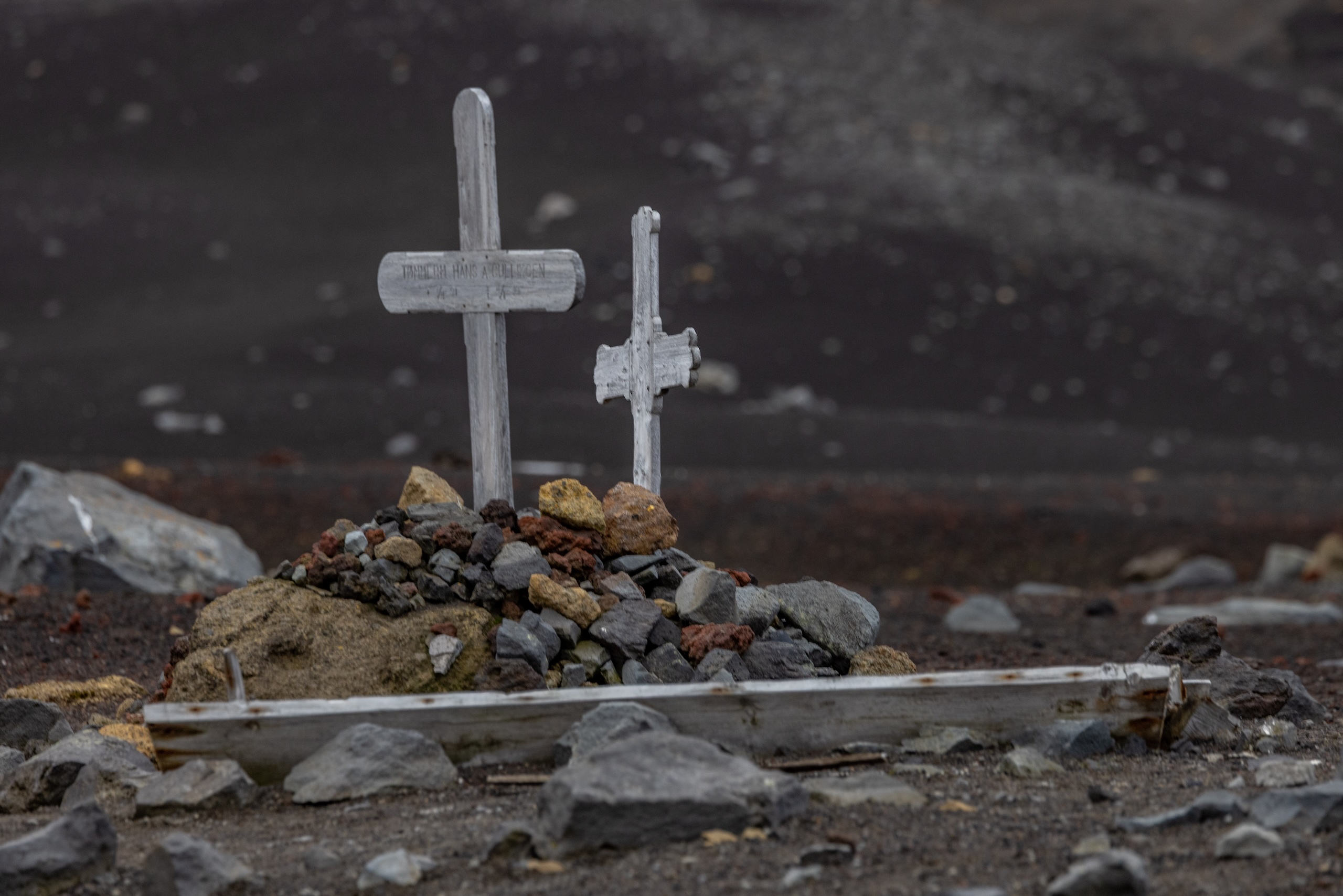
Grave Sites on Deception Island – Tammy Mackenzie 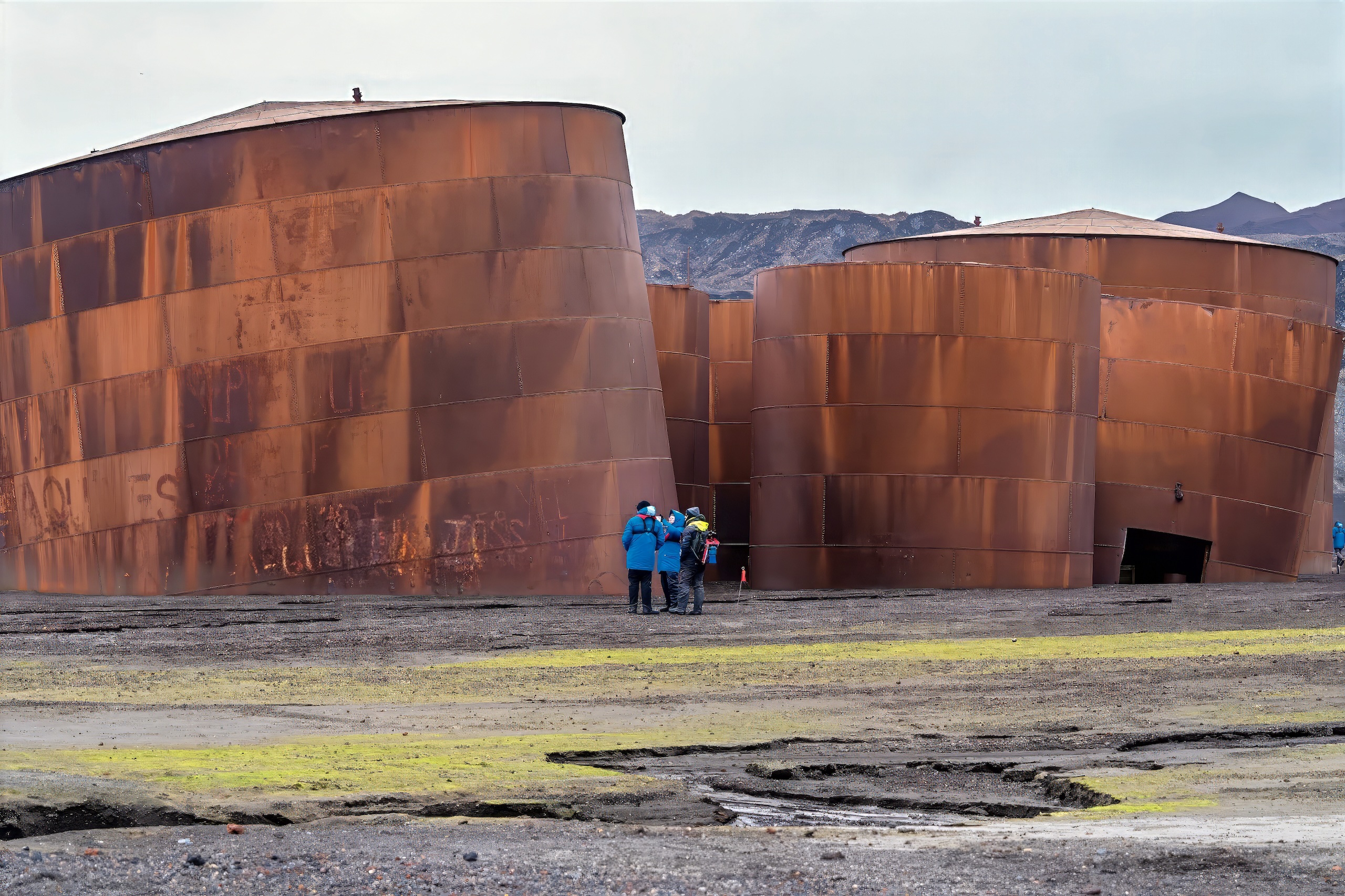
Abandoned early 20th century whaling station on Deception Island – Marie Goff 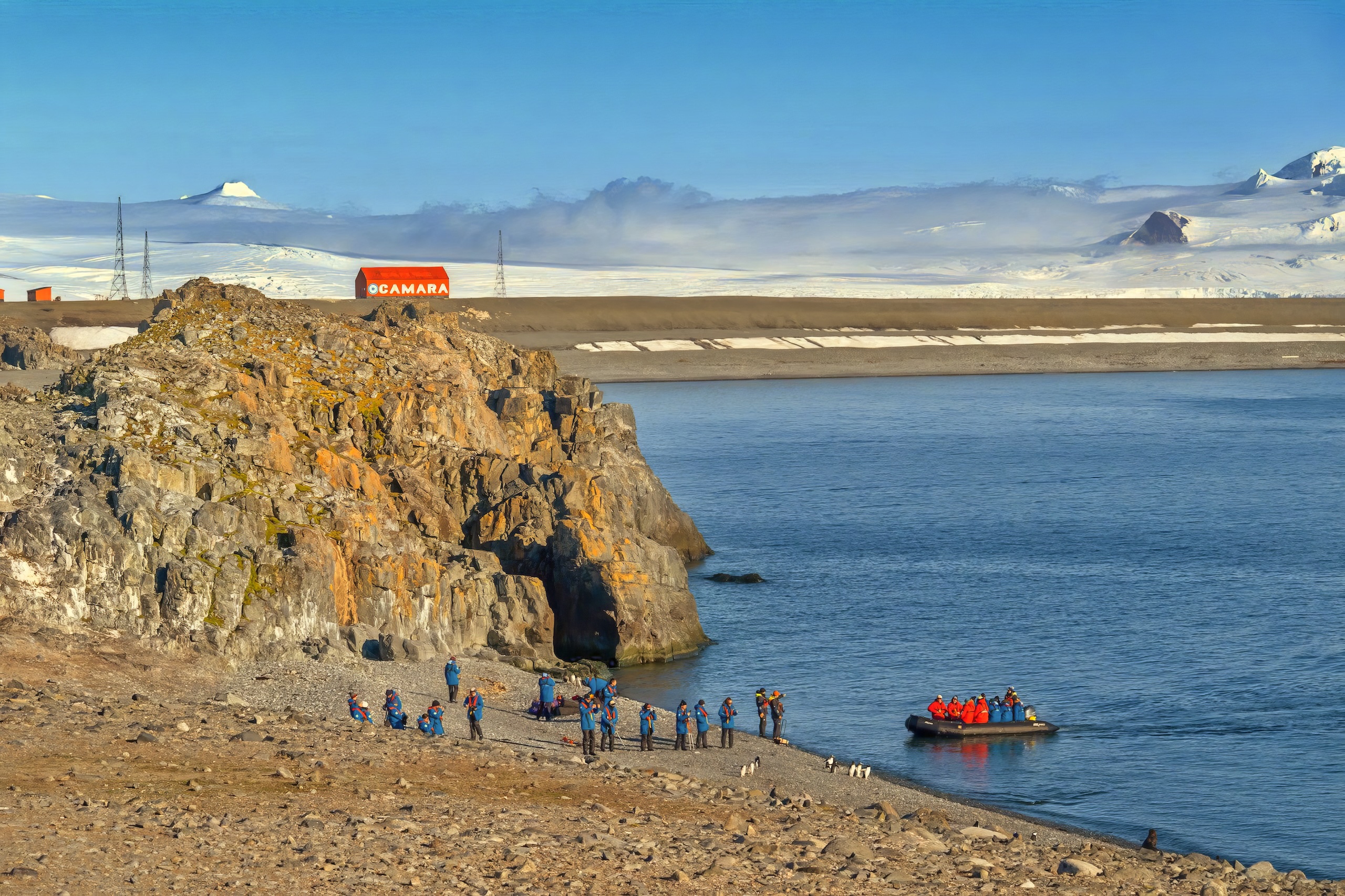
Horseshoe Island Research Base is now a Historic Site and Museum – Marie Goff
In truth, no photo or video can capture Antarctica’s breadth or beauty. No words or stories can comprehend its brutality or abundance. No work of art created by human craft and skill can truly apprehend Antarctica, because it is too vast, too stark, too diverse, too versatile for the human mind to grasp, let alone to share. And so those most blessed to be southern-continent travelers, to receive the blessings of Antarctica, go there for one reason: to be overwhelmed.
Again, how was your trip to Antarctica? Life Changing.
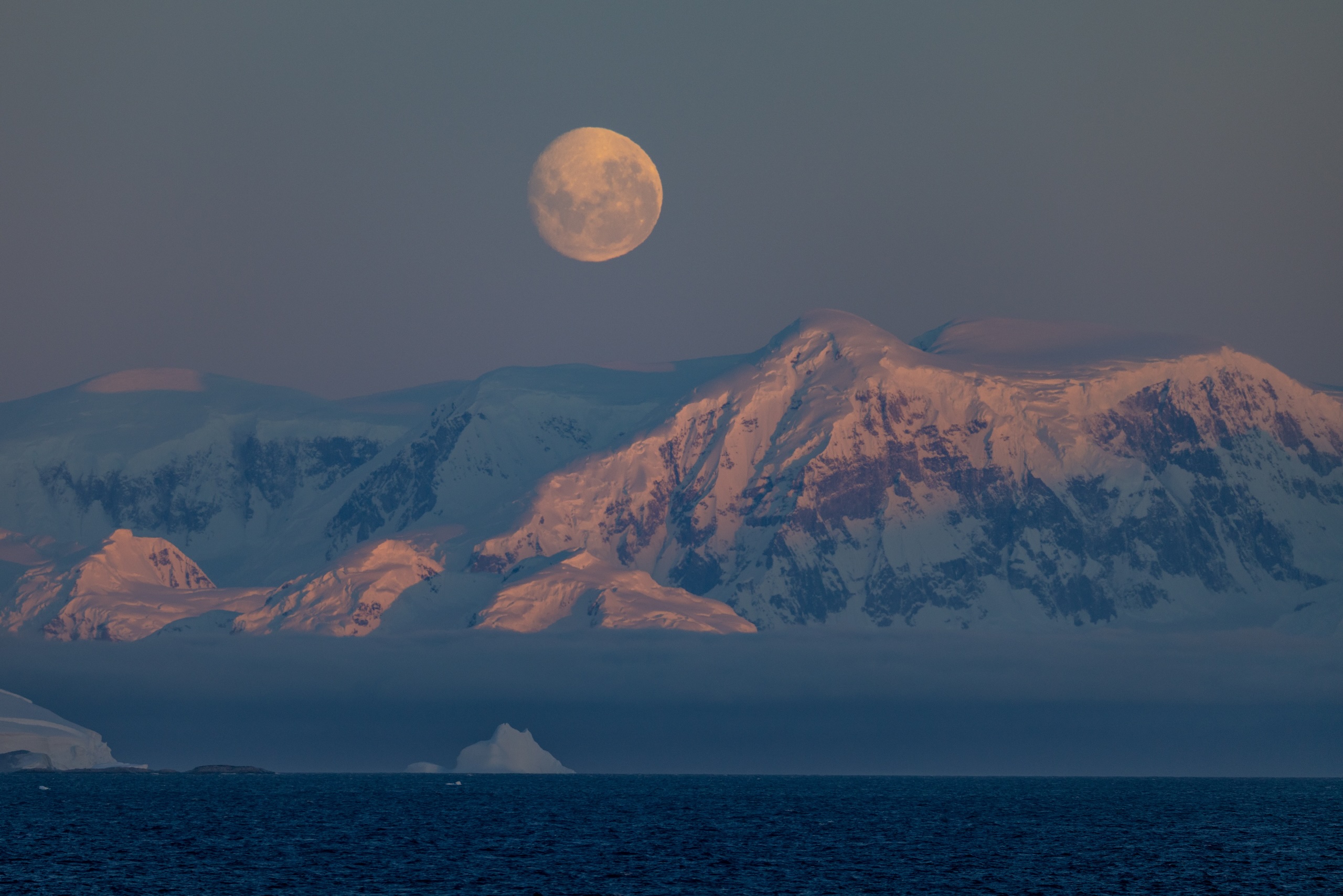
One of the greatest blessings of Antarctica is the spectacular wildlife.
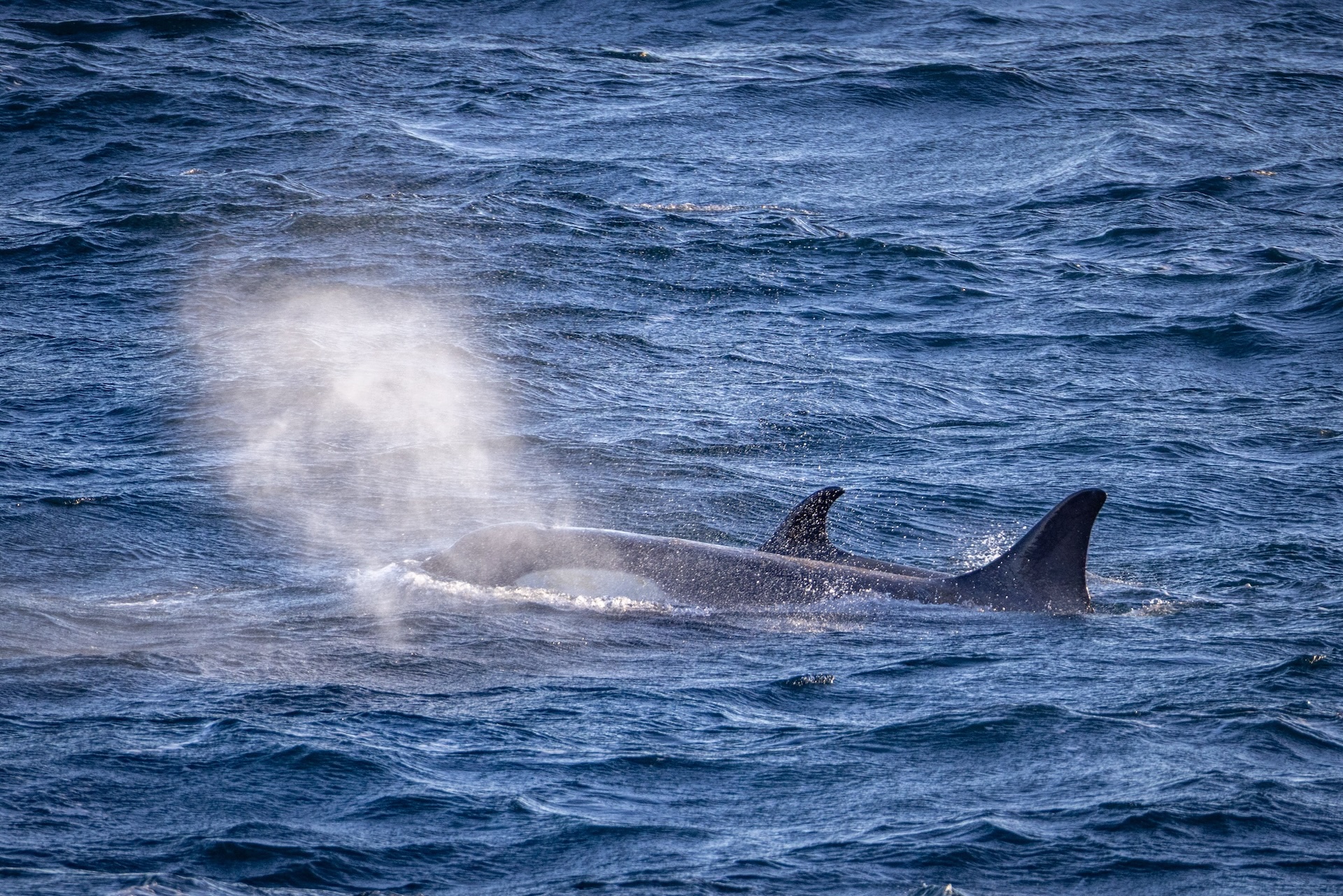
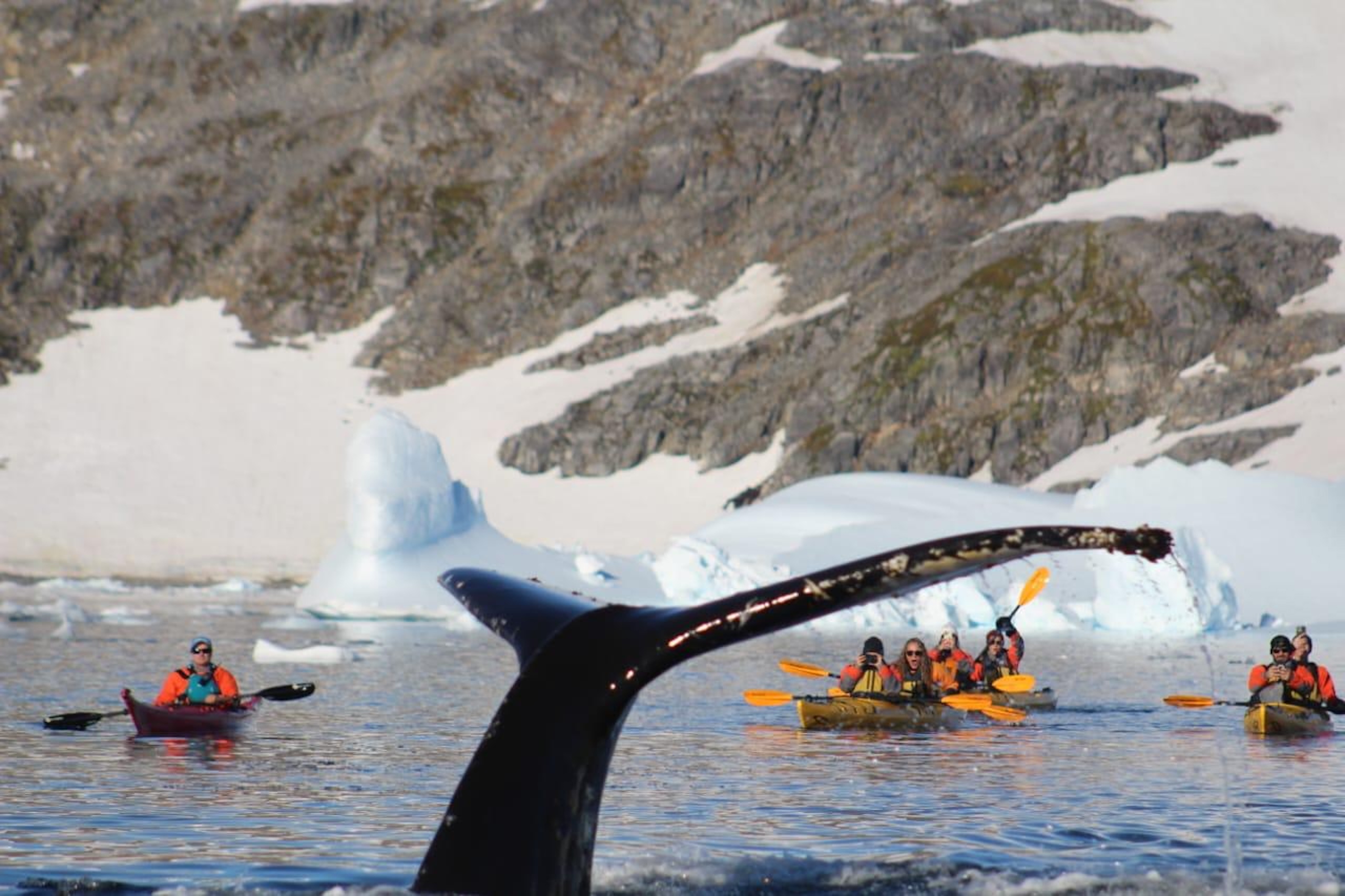
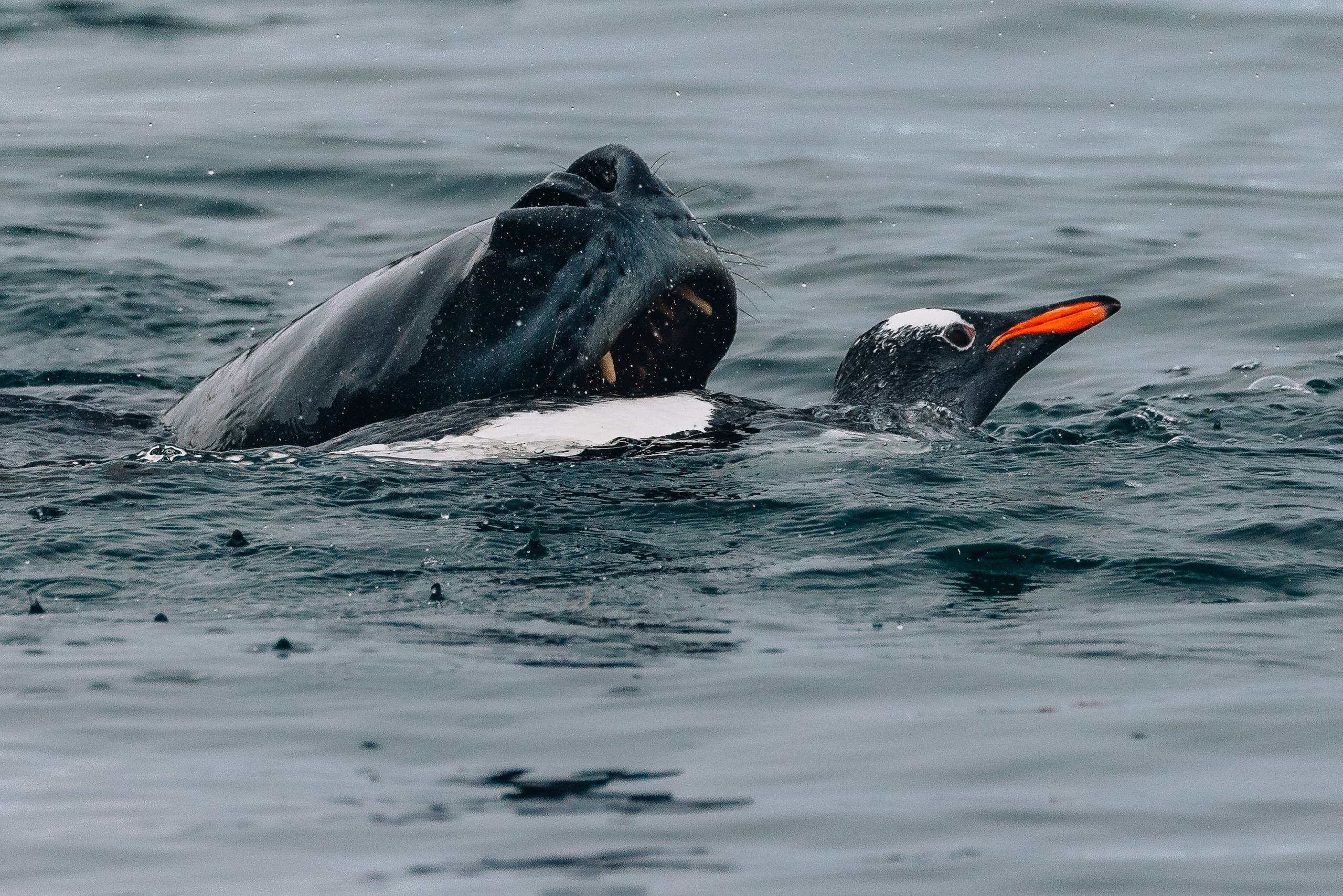
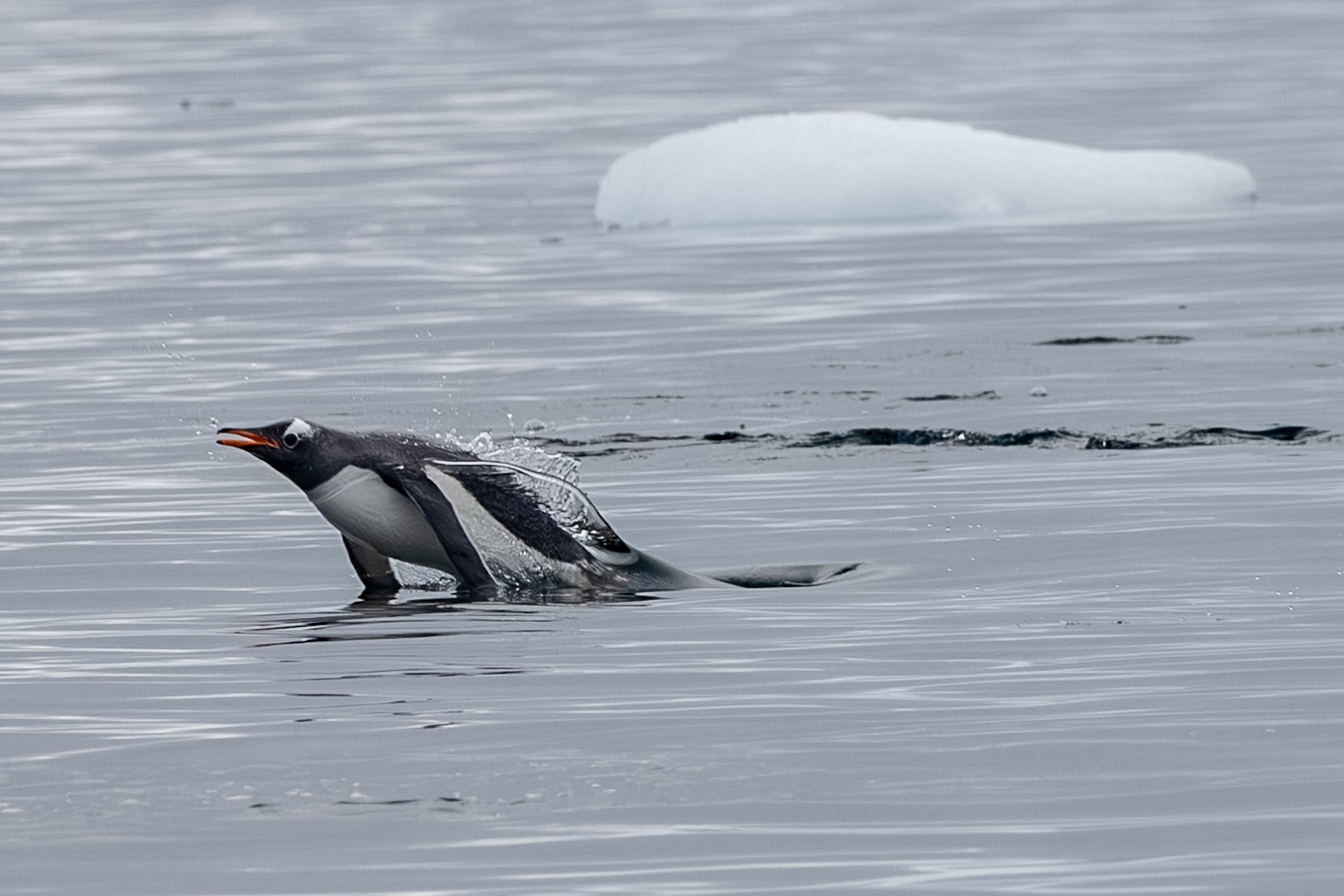
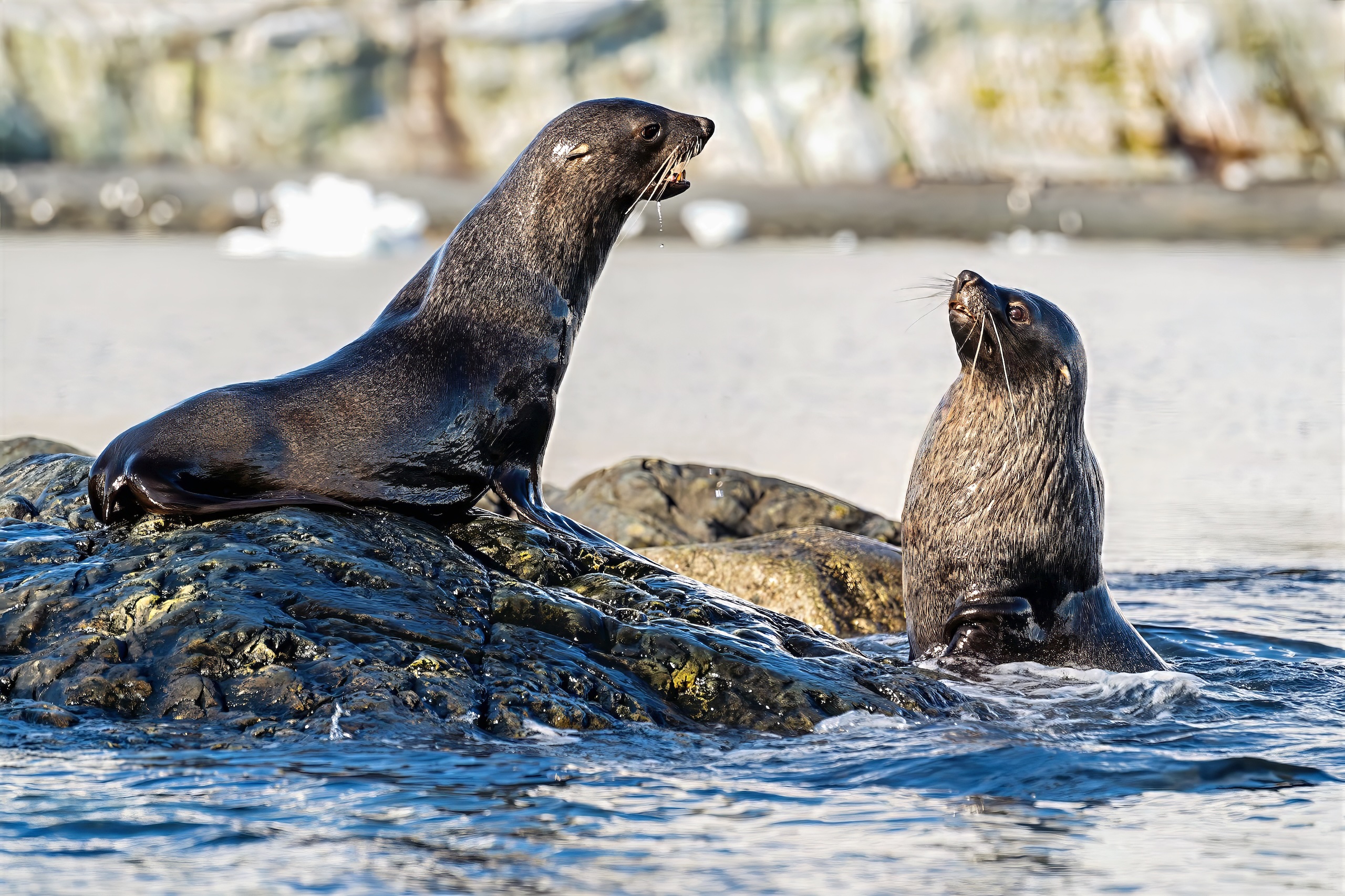
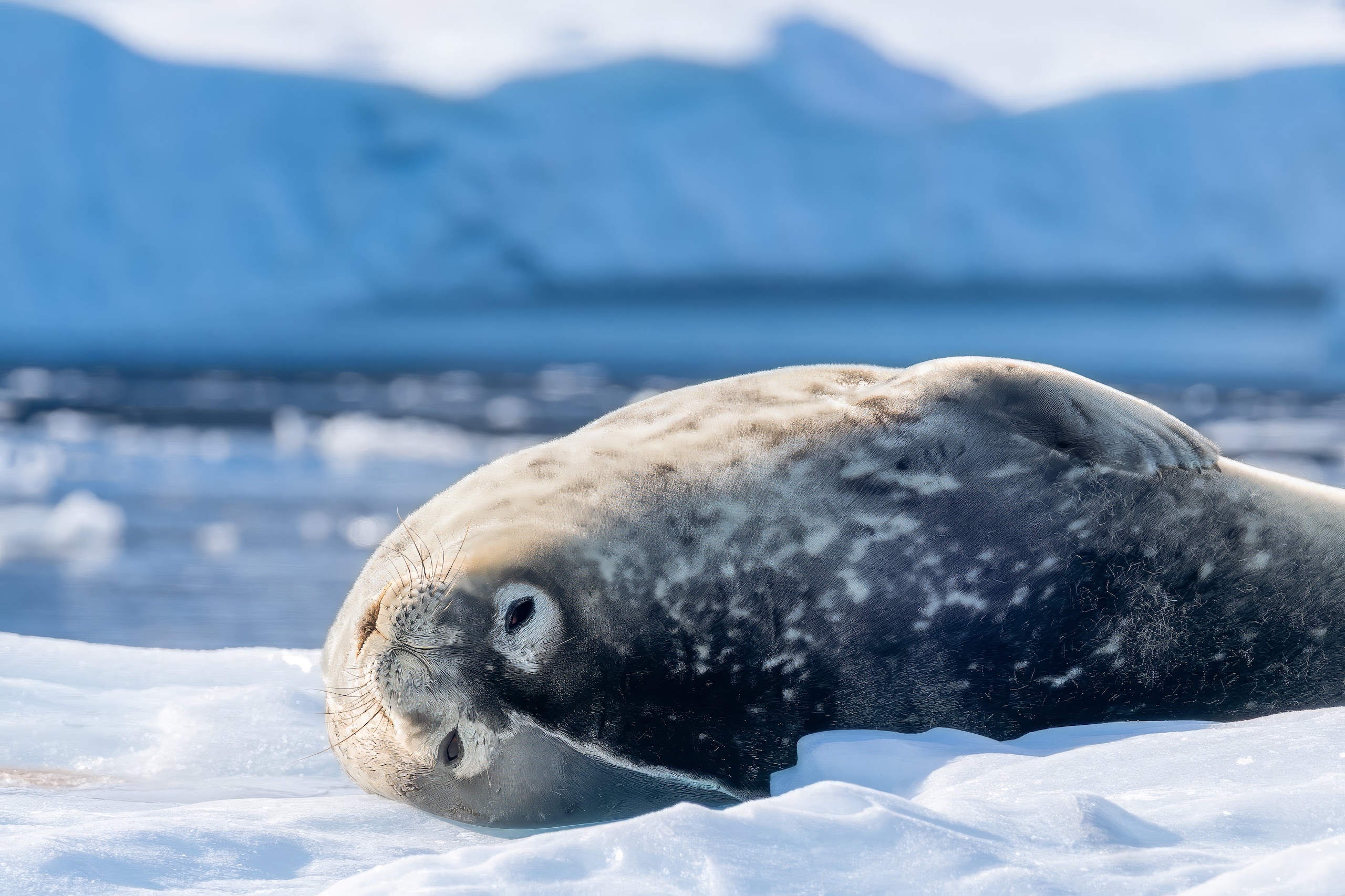
Guest Writer Rev. Dr. Scott Paul-Bonham
The Rev. Dr. Scott Paul-Bonham is a retired Presbyterian Church (USA) pastor and Federal Bureau of Prisons Chaplain. Scott loves to travel with his wife, Donna, to amazing places and to meet incredible people. They live in Michigan and can view the incredible lake of the same name every day. Scott writes devotionals, “religious insights” newspaper articles, short stories, essays, sermons, and an occasional poem. “Because of the immensity of the subject, Marie’s request for this Antarctica essay has been one of my greatest challenges in finding the right words.”- Rev. Dr. Scott Paul-Bonham
Travel Notes
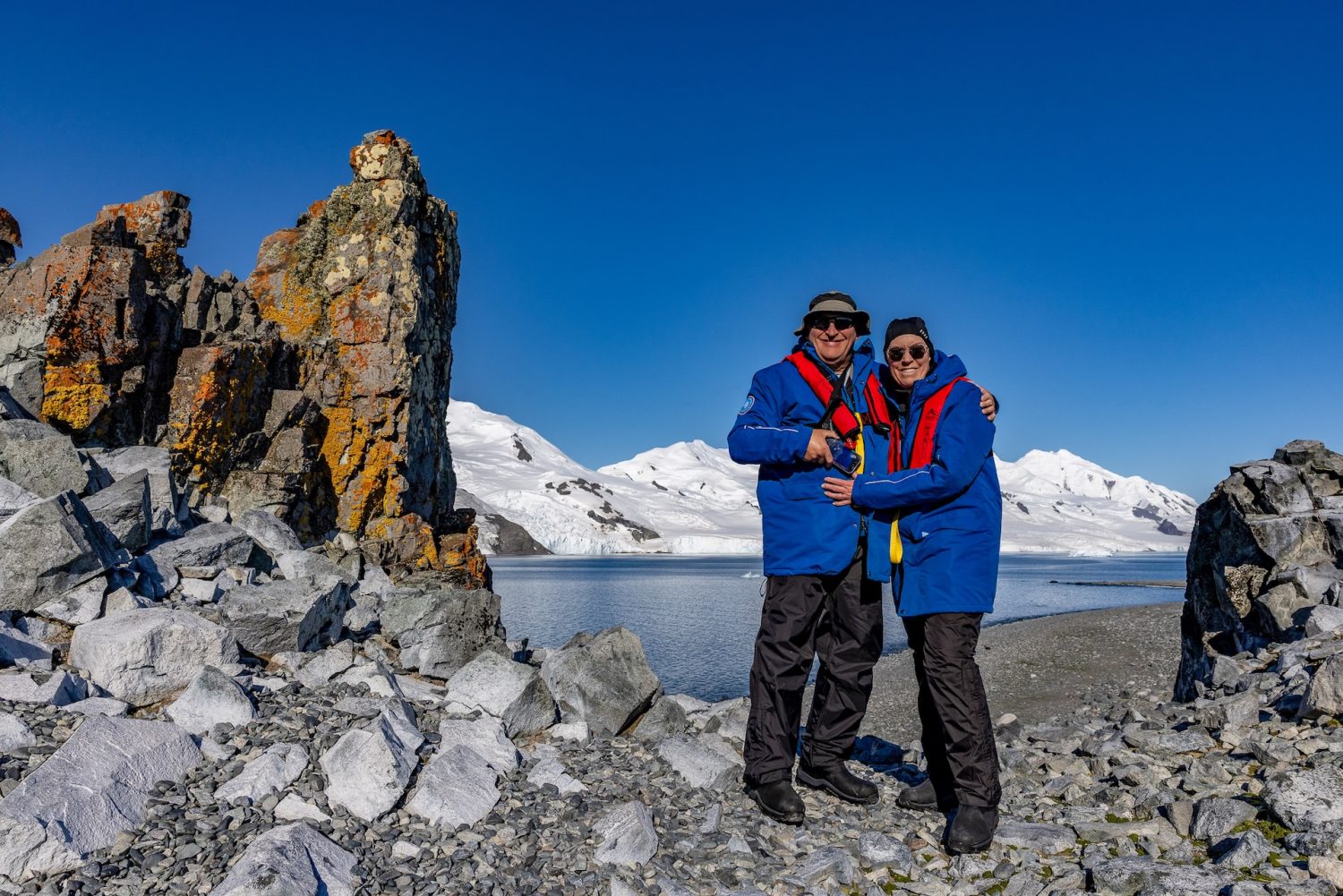
Eddie and I love this story, a Chaplain’s experience told in a way that only a Chaplain could. And the title, “Blessings of Antarctica!” for Eddie and me, included meeting Rev. Dr. Scott and Donna Paul-Bonham. Scott’s story is a special, contemplative account of The White Continent. We’ll celebrate the story and that it launched my new website, too, the next time we meet!
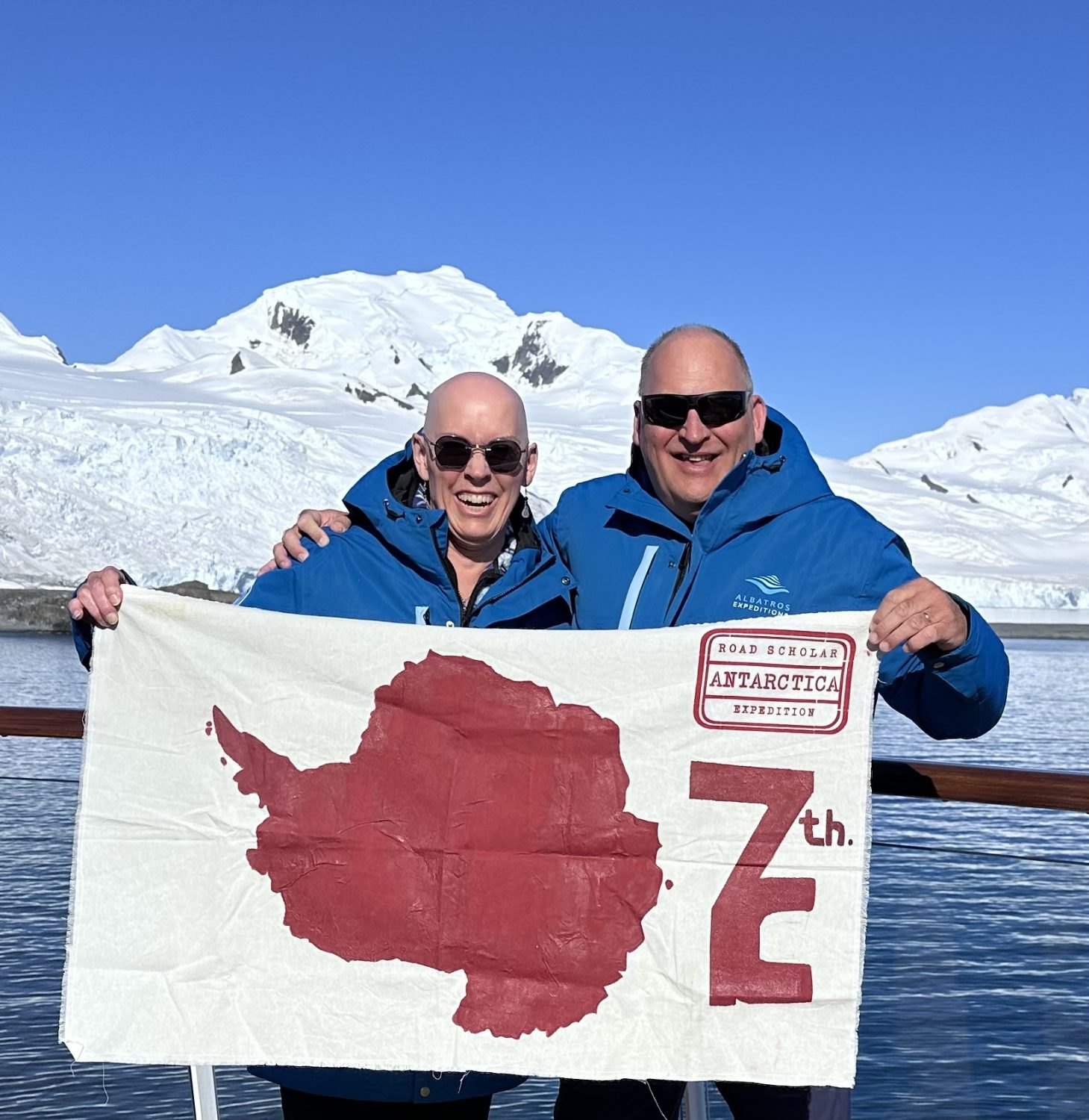
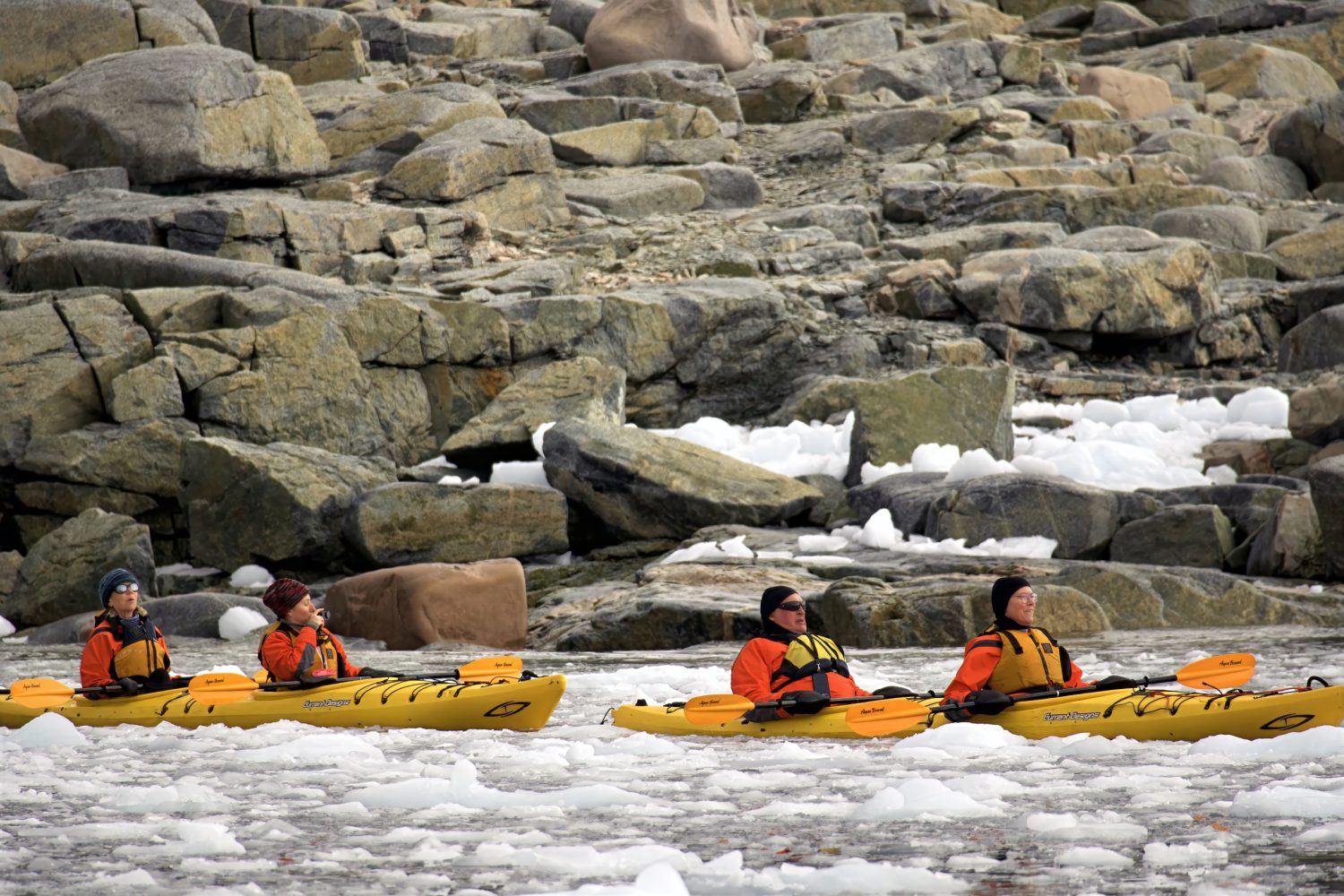
Our adventure in Antarctica with Road Scholar was a bona fide expedition. The Albatros Expeditions ship carried 188 adventurers into seldom-traveled waters and landings within the Antarctic Circle. Fellow passengers included a swim team from Sweden, science and research teams, photographers, and us—the Road Scholar group. As Road Scholars, we had the unique opportunity to join scientists on excursions to collect water and rock samples and to work with professional photographers. Regardless of our choices, everyone who wanted to go out could join Zodiac excursions every morning and afternoon.
While I went out with a group of photographers, Eddie was also taking pictures with his Zodiac team. The photos in this story come from Eddie, from me, and from Tammy MacKenzie, the Albatros Expeditions photographer. Courtesy of Albatros Expeditions, we have access to all the photos, slideshows, and daily logs, and there will be more great images in future stories of this adventure.
See other wildlife stories on Travel Notes & Storytelling!
You must be logged in to post a comment.